


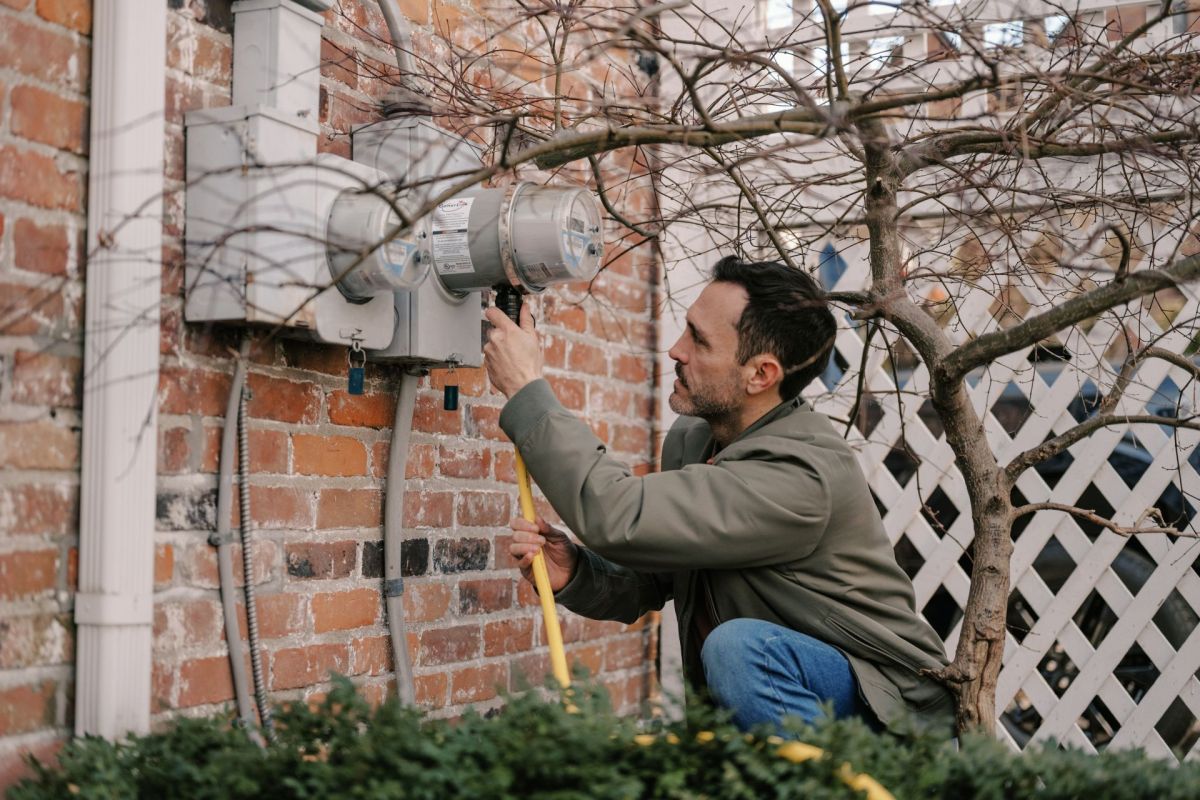
American automaker Ford has a straightforward way to generate backup power for your homes when the electricity goes out: its own F-150 Lightning or F-150 PowerBoost Hybrid.
What's happening?
New Ford-backed equipment is meant to avoid both a tangle of extension cords and, in some cases, a major electrical upgrade.
Ford Motor Company recently announced it is rolling out a simpler vehicle-to-home setup for certain F-150 Lightning and F-150 PowerBoost Hybrid owners, CleanTechnica reported.
The setup uses GenerLink, a compact transfer switch made by Global Power Products that installs at or near a home's utility meter. Instead of plugging in appliances one at a time during a blackout, drivers can connect the truck's 240-volt Pro Power Onboard outlet to the meter-based device and send power directly to the home's main panel.
Ford said the equipment, including its new 12-inch Vehicle Connector, costs about $1,100. Installation averages roughly $250 to $450 where utilities allow direct meter installation, though meter-adjacent setups can cost around $1,000 to $1,500.
Why does it matter?
Energy resilience is becoming a bigger part of home planning. Power shutoffs tied to wildfires, extreme heat, and severe storms have made backup electricity increasingly important.
A simple way to pull energy from an EV battery could help households keep the lights on, stay connected online, and run other essential systems during an outage.
The move also aligns with utilities paying EV drivers to support the grid and batteries playing a bigger role in smarter home energy systems, CleanTechnica noted.
Save $10,000 on solar panels without even sharing your phone number Want to go solar but not sure who to trust? EnergySage has your back with free and transparent quotes from fully vetted providers in your area. To get started, just answer a few questions about your home — no phone number required. Within a day or two, EnergySage will email you the best options for your needs, and their expert advisers can help you compare quotes and pick a winner. Solar panels can save you more than $50k over their 25-year lifespan, and EnergySage can help you save as much as $10k on installation. Which begs the question — isn't that worth an email or two? |

If you're also weighing dedicated backup options, it may be worth exploring EnergySage's free tools to get information about home battery storage options, including competitive installation estimates. EnergySage has teamed up with the electrification brand Qmerit to guarantee you get the best price on home battery storage solutions.
And for people who don't need whole-home backup, Pila offers another option: Its plug-and-play batteries are priced at a fraction of what a whole-home backup system would cost.
What's being done?
Companies are in a race to make emergency power options less cumbersome and less costly, and Ford has highlighted the F-150 Lightning's backup-power capability since 2021.
This update centers on convenience by reducing setup complications when the grid goes down.
"Instead of running cords through cracked windows and doors, you can now run a single connection between your truck's 240V Pro Power Onboard outlet and a GenerLink transfer switch installed at or near your utility meter," Ford said in a release.
The company estimates that compatible trucks with 240V Pro Power Onboard outlets can keep an average home powered for five days, depending on energy use.
Meanwhile, battery innovation has continued under the radar. CleanTechnica also highlighted new funding for Sila, a battery materials startup developing silicon-carbon anodes that could help future EVs charge faster and store more energy.

Get TCD's free newsletters for easy tips, smart advice, and a chance to earn $5,000 toward home upgrades. To see more stories like this one, change your Google preferences here.






