


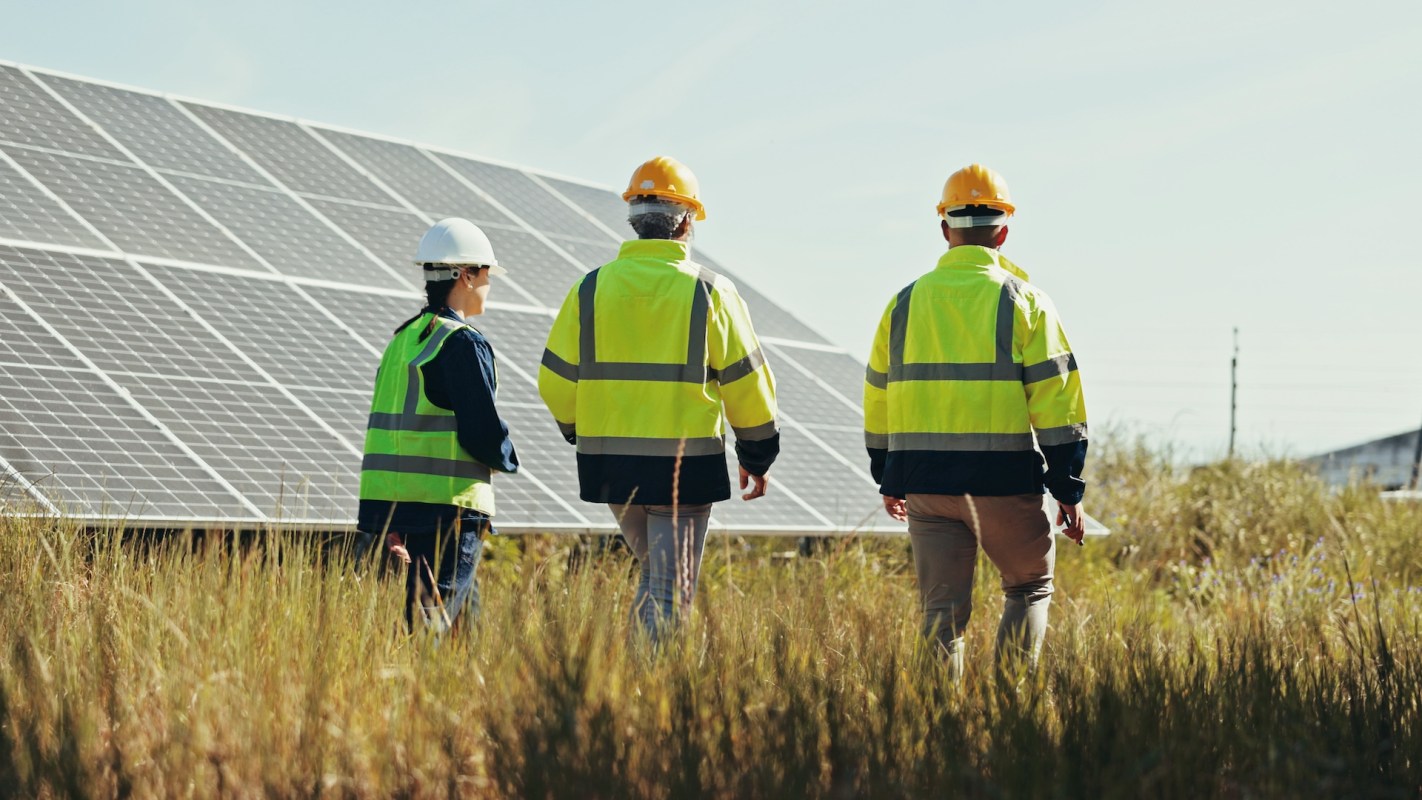
A proposed clean energy development in Essex, England, has secured planning permission by the narrowest possible margin.
As BBC News reported, the decision clears the way for a 220-acre solar farm and battery storage site near Brentwood, while also spotlighting the ongoing debate over clean power expansion, farmland, and the future of rural landscapes.
What happened?
At a meeting of Brentwood Borough Council's planning committee, councilors approved the Fitzwalter's Farm scheme by a 6-5 vote.
The outlet noted the project would combine solar panels and battery storage across 220 acres, an area larger than 100 soccer pitches.
According to the company, the project will generate 49.9 megawatts of electricity, enough to supply 23,410 homes each year. That works out to roughly 77% of occupied households in Brentwood, per BBC News.
The installation is expected to remain in place for up to 40 years. Council documents say the equipment and related infrastructure would then be removed and the land restored. Construction is scheduled to begin in 2028.
TCD Picks » Quince Spotlight
💡These best-sellers from Quince deliver affordable, sustainable luxury for all




Supporters told the publication that the solar installation protects the area from commercial or residential development.
"This way, when the solar panels are replaced or taken away, they can easily be reverted to agricultural green belt," explained Barry Aspinell, the Liberal Democrat council leader.
However, not everyone agreed, including Reform UK councilor Paul Godfrey.
"Our green space is precious, and especially that which provides our food as farmland," he said.
Why does it matter?
Projects like this are increasingly becoming flashpoints because they sit at the intersection of two urgent issues: the need for more clean electricity and the desire to protect open land.
On one hand, solar farms can help cut pollution from polluting fuel sources while adding power capacity closer to where people live. Battery storage can also make renewable energy more practical by storing electricity for later use and supporting reliability when the sun is not shining.
On the other hand, residents and local officials often raise concerns about how large developments can alter the character of the countryside and take land out of farming for decades.
According to BBC News, Conservative opposition leader Will Russell said the decision was "driven by the administration's desire to deliver its climate emergency" and added, "I believe it is inappropriate development in the green belt."
What's being done?
Luminous Energy has said it plans to include measures such as hedgerow planting that it says would leave the area with an overall biodiversity benefit.
BBC News noted the approval adds to a broader solar buildout in Essex, where the much larger Longfield solar farm north of Chelmsford is also moving forward.

Get TCD's free newsletters for easy tips, smart advice, and a chance to earn $5,000 toward home upgrades. To see more stories like this one, change your Google preferences here.






