


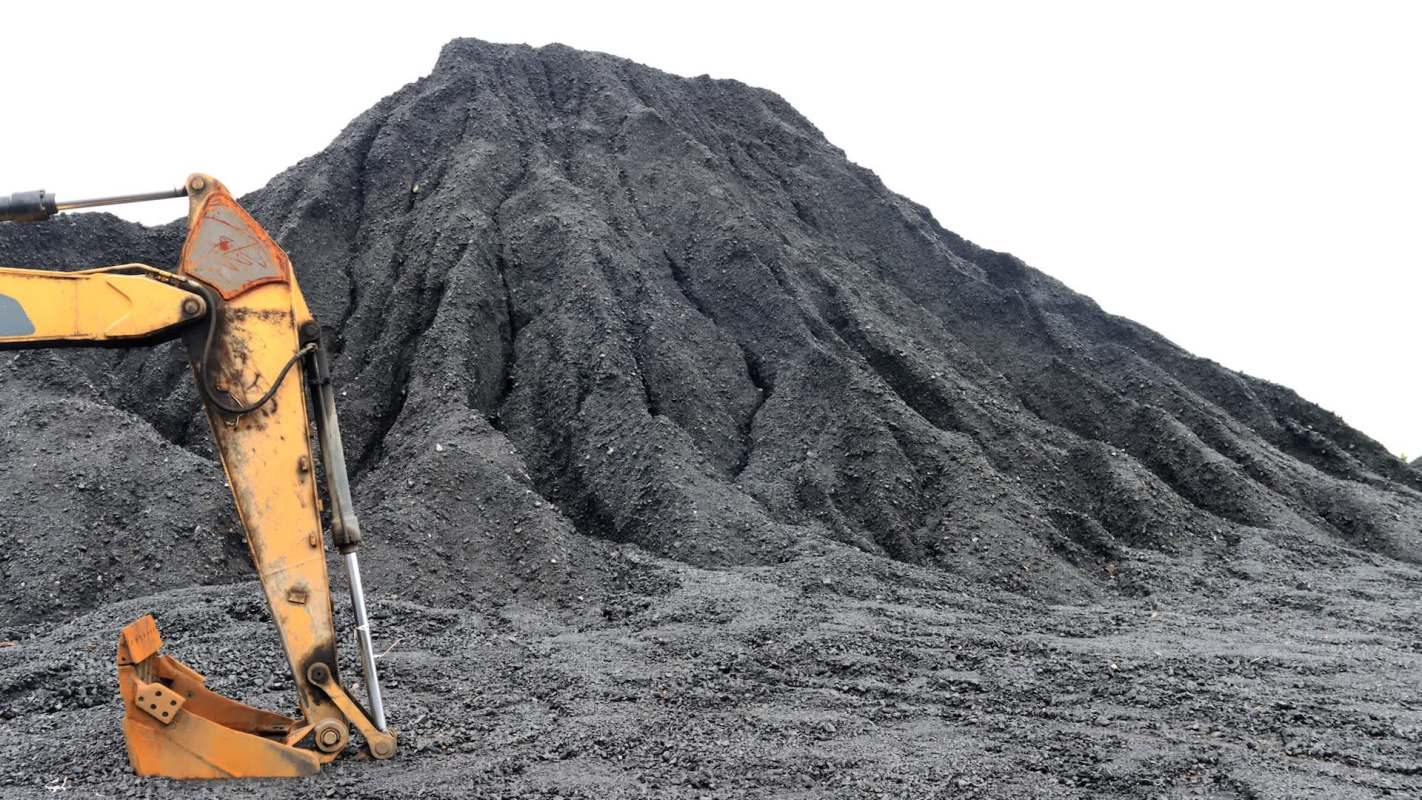
A legal battle is heating up in Iowa over one of coal's most dangerous byproducts: ash.
Environmental groups say state regulators approved permits that allow pollution from an Ottumwa coal-ash landfill to continue moving into groundwater near surrounding communities.
What happened?
On July 23, the Iowa Environmental Council, the Environmental Law & Policy Center, and the Sierra Club sued state regulators over permits connected to an Ottumwa coal-ash landfill owned by Alliant Energy and MidAmerican Energy, according to KCRG.
The groups say releases from the coal plant create serious health risks for nearby residents, fish, and wildlife. They also argue the permits approved by the Iowa Department of Natural Resources allow unsafe disposal practices and fail to set a clear timeline for stopping pollution from the site.
Coal ash, the waste product at the center of the case, can contain heavy metals such as arsenic, mercury, and lead. Exposure to those pollutants has been linked to cancer and other physical and neurological impairments.
In their complaint, the environmental groups cite a 2024 federal discharge limit requiring coal-ash facilities to stop heavy metals from entering groundwater as soon as possible.
TCD Picks » Quince Spotlight
💡These best-sellers from Quince deliver affordable, sustainable luxury for all




They say Iowa's permits do not meet that standard and also allege that groundwater releases from the plant violate the Clean Water Act.
Why does it matter?
The lawsuit raises questions about whether state agencies are moving quickly enough to enforce federal safeguards around coal waste and other polluting sectors.
Groundwater contamination can affect drinking water, ecosystems, and the health of families living near industrial sites. When toxic metals seep into the environment, the risks can persist for years and become difficult and expensive to clean up. Coal and natural gas power plants also release pollutants linked to asthma, heart disease, and premature death.
Industry lobbying can worsen the problem by delaying cleaner, cheaper energy solutions that would better protect public health and lower household costs.
"Iowa has an enormous amount of coal ash across the state," IEC General Counsel Michael Schmidt said in a statement. "... Iowans are facing a cancer crisis and should not have to endure this ongoing risk."
Iowa is one of three U.S. states where cancer rates are increasing.
What's being done?
According to KCRG, the environmental groups are asking a court to order the Iowa DNR to require Alliant Energy and MidAmerican Energy to stop the discharge. In practical terms, they want permit conditions strong enough to force action rather than allowing contamination to continue without a firm deadline.
Lawsuits like this can be one of the few tools communities and watchdog groups have to push regulators and utilities toward stronger protections. Even when cases take time, they can pressure agencies to revisit permits and require better cleanup or monitoring plans.
"Until utility companies fully transition to cleaner, cheaper renewable energy sources, we will keep fighting to protect people from the harms of coal plants in Iowa," Sierra Club Managing Attorney Kristin Henry said in a statement.

Get TCD's free newsletters for easy tips, smart advice, and a chance to earn $5,000 toward home upgrades. To see more stories like this one, change your Google preferences here.






