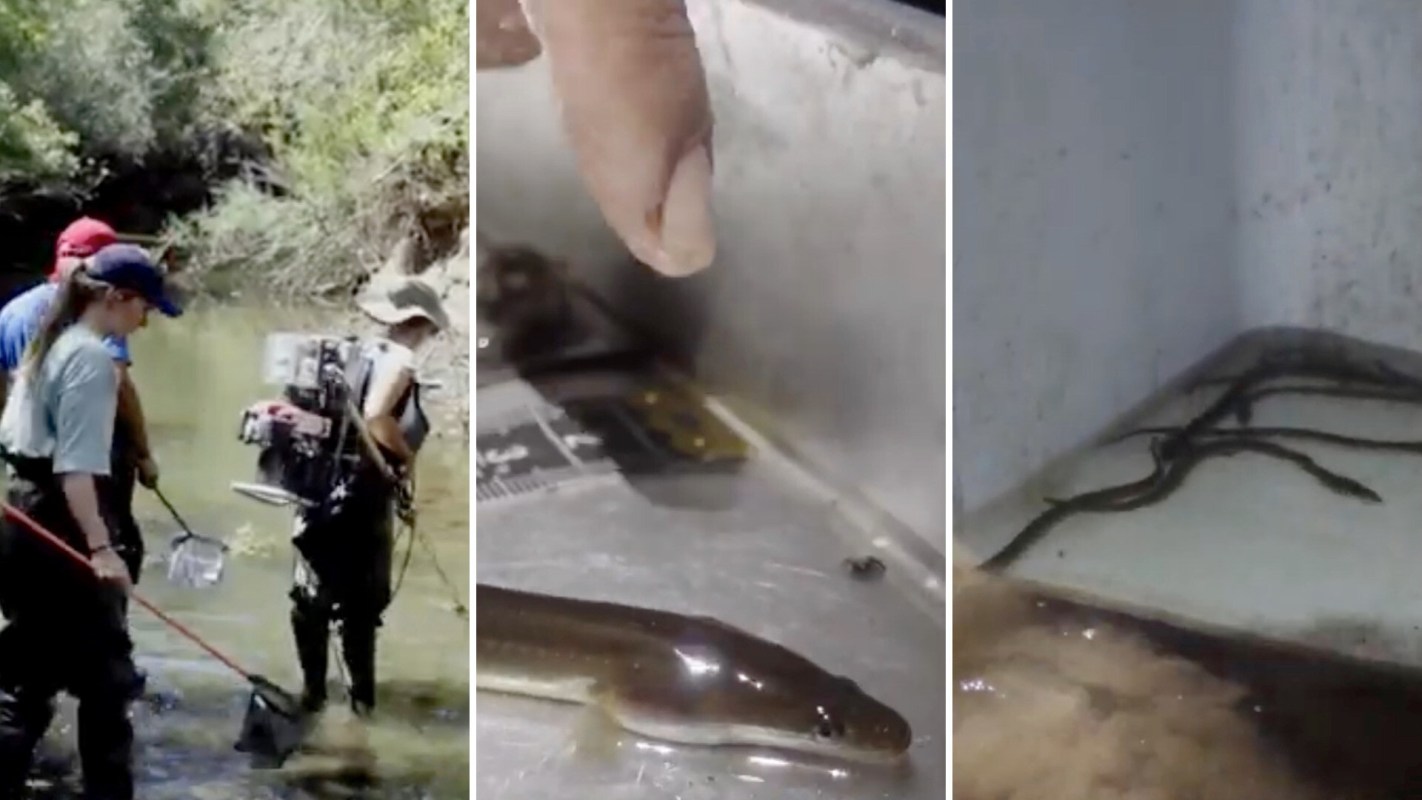
Watching scientists send electricity into a river might sound alarming at first, but in the Miera River basin, researchers are using a tightly controlled technique to briefly stun endangered fish, study them quickly, and return them to the water.
What happened?
According to a field update highlighted and shared to YouTube by Mossy Earth Field Notes (@MossyEarth-FieldNotes), Wilder Miro researchers spent last summer moving through the Miera River basin to locate two endangered fish species named in the transcript: the Miro chub and the Southwestern Archmouth Nase. Their search took them through the Miera River, the Tugal stream, and the linked Telyarich and Turkinych waterways.
To find and handle the fish, the team used a specialized approach called electric fishing, or electrofishing. With specialized equipment, researchers generate a localized electrical current in the water that briefly stuns nearby fish, making it possible to net them.
Once collected, the fish are held in an oxygenated container so the team can count and measure them before letting them go. As the team explained, "we basically stun them, and then we gently catch them with a net."
One commenter asked, "Doesn't that stun any nearby fish?" Yes — but only briefly and within a limited area, which is the point of the technique.
Why does it matter?
For endangered freshwater species, even basic information can be hard to gather. Scientists first need to know where fish still survive, how many remain, and whether populations are stable before they can make informed decisions about protection and habitat restoration.
TCD Picks » Quince Spotlight
💡These best-sellers from Quince deliver affordable, sustainable luxury for all




Healthy fish populations can be a sign of healthier rivers, and healthier rivers support communities through cleaner water, stronger ecosystems, and better local recreation opportunities. When a river basin loses native species, it can also signal that broader environmental problems are beginning to take hold.
The comment section reflected concern about whether wildlife research is helping animals rather than harming them. Showing the process step by step can help build trust.
When researchers focus on rare species before populations decline even further, they improve the chances of preventing more costly ecological damage later.
What's being done?
The Wilder Miro team is gathering field data directly from the rivers and streams where vulnerable species still live. That hands-on monitoring can help guide future restoration work, identify strongholds for endangered fish, and reveal which waterways may need more attention.
Because the technique is designed to minimize disturbance, researchers can examine the fish and then return them to the same ecosystem. The team said, "After that, we store them in an oxygenated container, count them, measure, and release them back into their natural habitat."
Conservation is often less dramatic than people might imagine and much more methodical.
In this case, a few moments of stress for the fish could provide the information needed to better protect them for years to come.

Get TCD's free newsletters for easy tips, smart advice, and a chance to earn $5,000 toward home upgrades. To see more stories like this one, change your Google preferences here.