


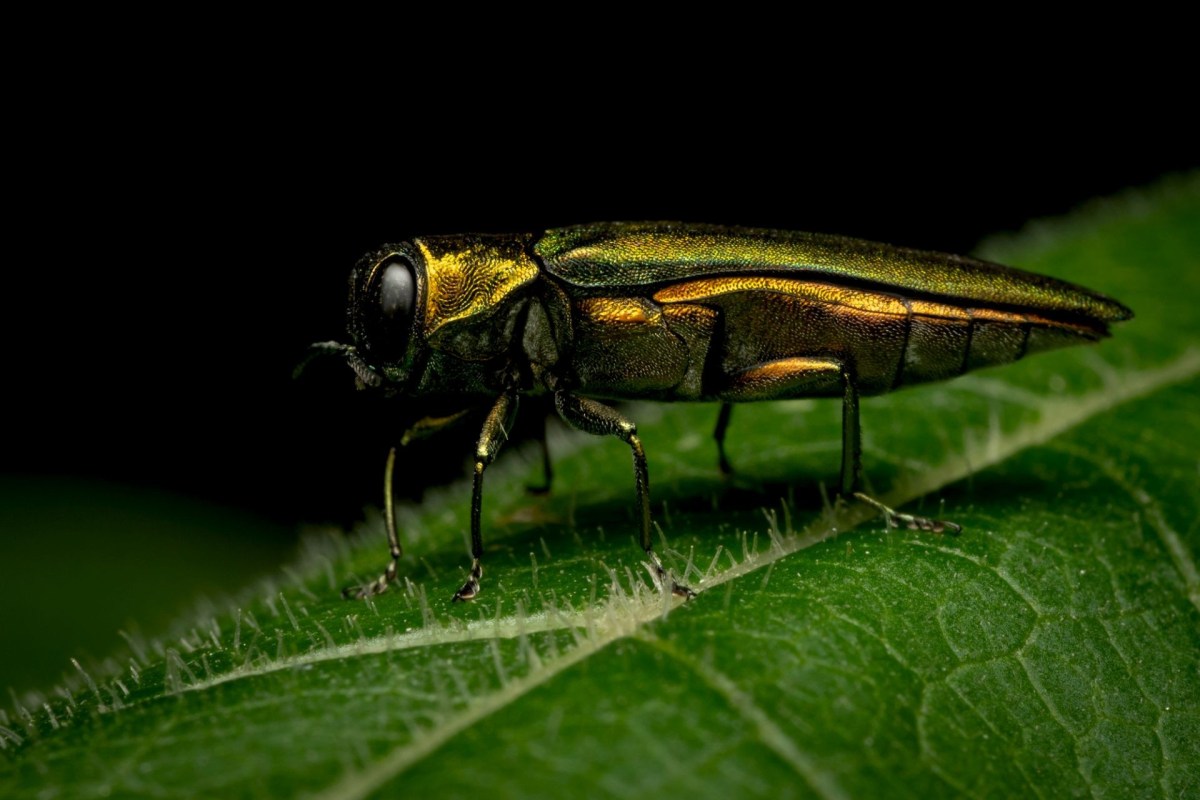
Ontario, Canada, is now in a different stage of the emerald ash borer crisis: Much of the destruction has already happened, and attention is turning to the aftermath.
After millions of ash trees were lost across Ontario, researchers are moving away from eradication as the main goal and focusing instead on recovery — including whether ash might one day return to local landscapes.
What happened?
In many parts of Ontario, ash losses are already widespread. In a YouTube video, The Weather Network (@WeatherNetwork) explained that the emerald ash borer — first detected near Windsor — has since spread into Quebec, the Maritimes, and even parts of British Columbia.
"The Emerald Ash Borer decimated millions of ash trees across Ontario, but what's next?" the outlet wrote in the video's caption.
The report also looked at wildfire concerns in northwestern Ontario, where researchers said the beetle does not appear to be a meaningful driver of fire risk. They said ash trees are not common in many of the northern areas where Ontario fires frequently occur, unlike situations involving some forest pests in western Canada.
One commenter asked, "When Ash trees aren't available what are the Emerald Ash Borers alternate hosts?"
TCD Picks » Quince Spotlight
💡These best-sellers from Quince deliver affordable, sustainable luxury for all




Why does it matter?
The disappearance of ash affects more than forests, since these trees have long been part of neighborhood streets and urban green spaces.
The damage also creates an ongoing public safety problem because dead ash trees can become dangerous. Municipalities have spent years removing weakened trees from public spaces, and arborists in the segment warned residents not to attempt hazardous removals on their own.
Invasive species can reshape ecosystems for decades, and understanding where they do — and do not — heighten other risks, such as wildfire danger, helps communities plan their response.
What's being done?
Scientists are still monitoring the beetle's remaining populations, but the work now centers on its long-term effects. Rather than expecting complete eradication, researchers are examining how bad future impacts may be and whether ash trees could return to the landscape in meaningful numbers.
That research also includes possible natural checks, including predatory wasps. For residents, the most practical steps are tree safety and planning.
"We're definitely never going to get rid of emerald ash borer. This is part of our environment now," a researcher said in the segment. "Some of the work that we do is trying to figure out how bad are they going to be and are we going to have ash trees back on our landscapes?"

Get TCD's free newsletters for easy tips, smart advice, and a chance to earn $5,000 toward home upgrades. To see more stories like this one, change your Google preferences here.







