


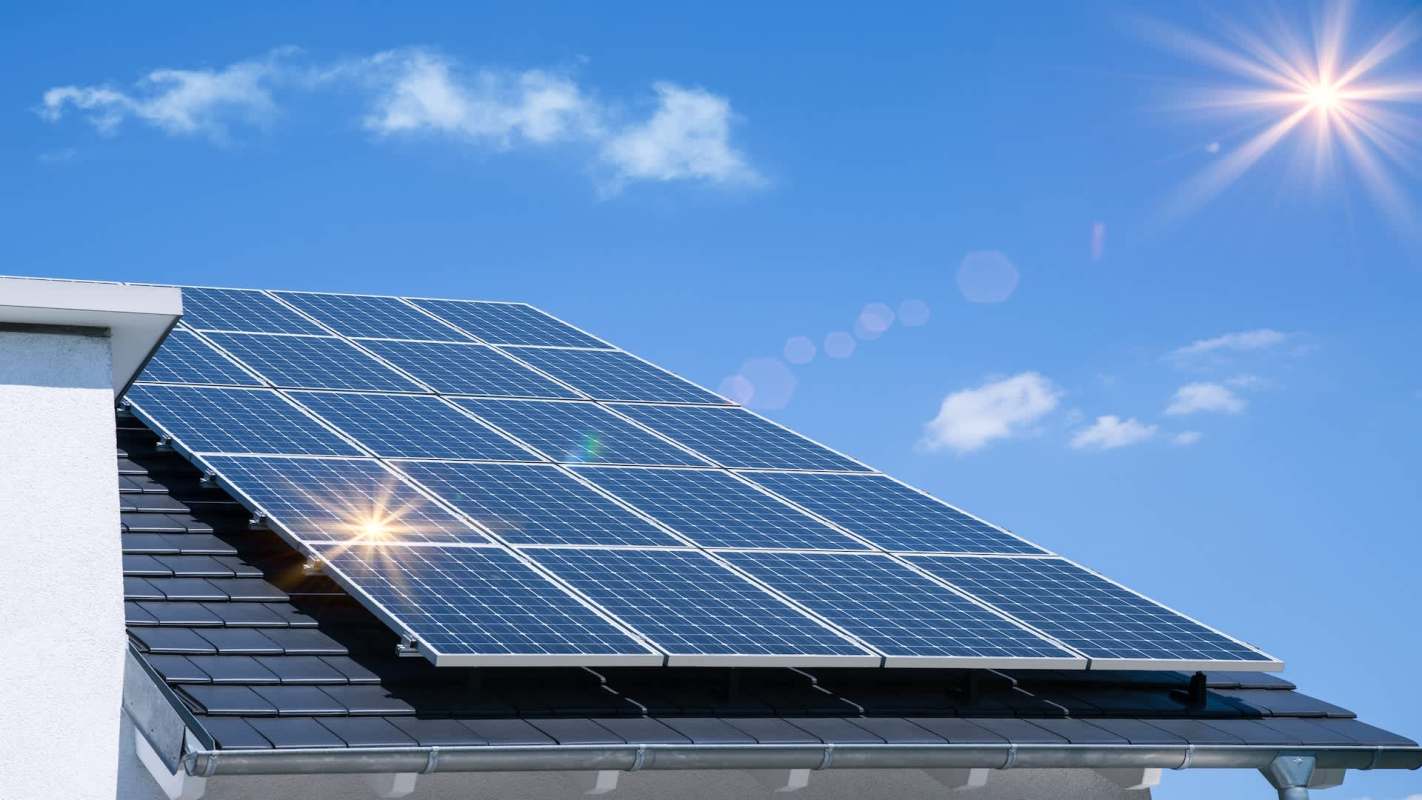
A beta firmware update pushed onto one homeowner's solar-and-battery system without consent has raised a key question for buyers of connected home energy gear: Who is really in control when critical hardware depends on cloud-managed software?
Here's what to know
On Reddit's r/Ecoflow_community, the homeowner said that EcoFlow pushed a beta firmware update to their home solar-and-battery system on a day with an 110-degree heat index, despite multiple written refusals. Afterward, their setup became "completely non-functional."
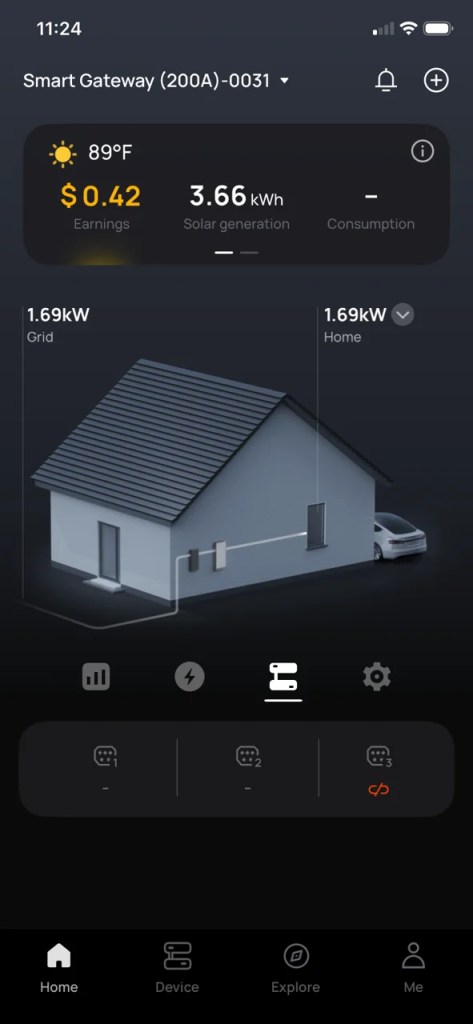
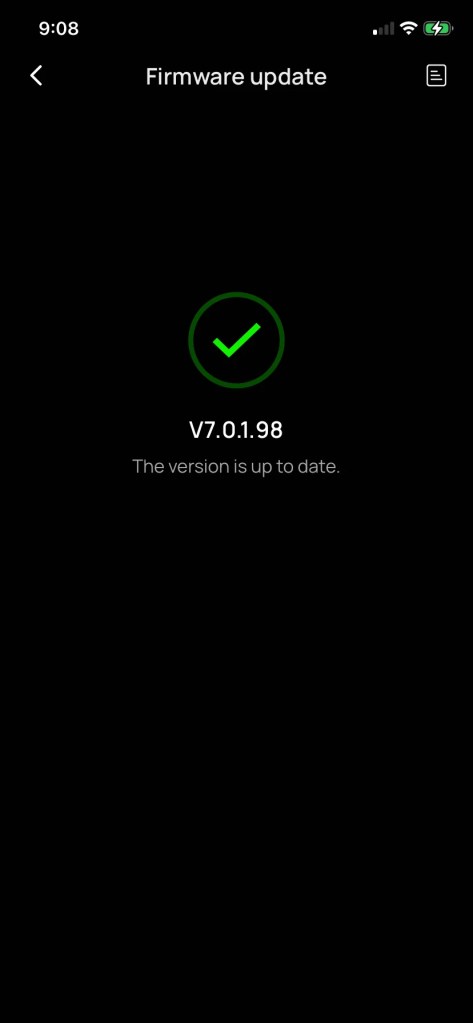
The OP showed their back-and-forth with EcoFlow in which they repeatedly expressed concerns over being a "guinea pig" for an untested firmware update.
EcoFlow appeared to confirm that it wouldn't push the beta firmware on the system without permission, and the OP said they had automatic updates turned off. However, several months after the exchange began, the OP received a message saying that the beta firmware update had been completed.
"Absolutely maddening and a complete breach of trust," the original poster vented.
"That's stunningly bad," a commenter agreed.
TCD Picks » Quince Spotlight
💡These best-sellers from Quince deliver affordable, sustainable luxury for all




Some suspected an AI chatbot could be to blame for the miscommunication.
"Their replies seem AI generated, the constant 'rest assured' and 'I want to address your concerns," one user pointed out.
More background
Solar panels, home batteries, smart gateways, electric vehicle chargers, and connected appliances can lower household energy costs and improve resilience. But they also depend on software, apps, and support teams, all of which can introduce new points of failure.
Fortunately, the homeowner said they still had power because they could access the grid. "It could have been even worse," they conceded. However, that was little comfort on such a hot day, when electricity demand typically surges, raising the risk of blackouts.
What can be done?
For current owners of connected energy devices, documentation can make a major difference. Saving screenshots, emails, firmware histories, and support transcripts can help if a dispute arises. Buyers can also ask manufacturers and installers about opt-in update policies, rollback options, offline functionality, and support availability before committing to a system.
For people still comparing solar options, EnergySage offers free tools that let homeowners curate competitive bids from local installers without sharing contact information unless they decide to move forward. That can make it easier to compare equipment choices, warranties, and installer support — all factors that affect long-term savings as much as panel output does.
As for this homeowner, they said in an update that EcoFlow reverted their firmware to their desired version two days after the incident. Still, the situation highlighted how stricter consent controls around beta software may improve user experience and prevent unnecessary stress.

Get TCD's free newsletters for easy tips, smart advice, and a chance to earn $5,000 toward home upgrades. To see more stories like this one, change your Google preferences here.






