


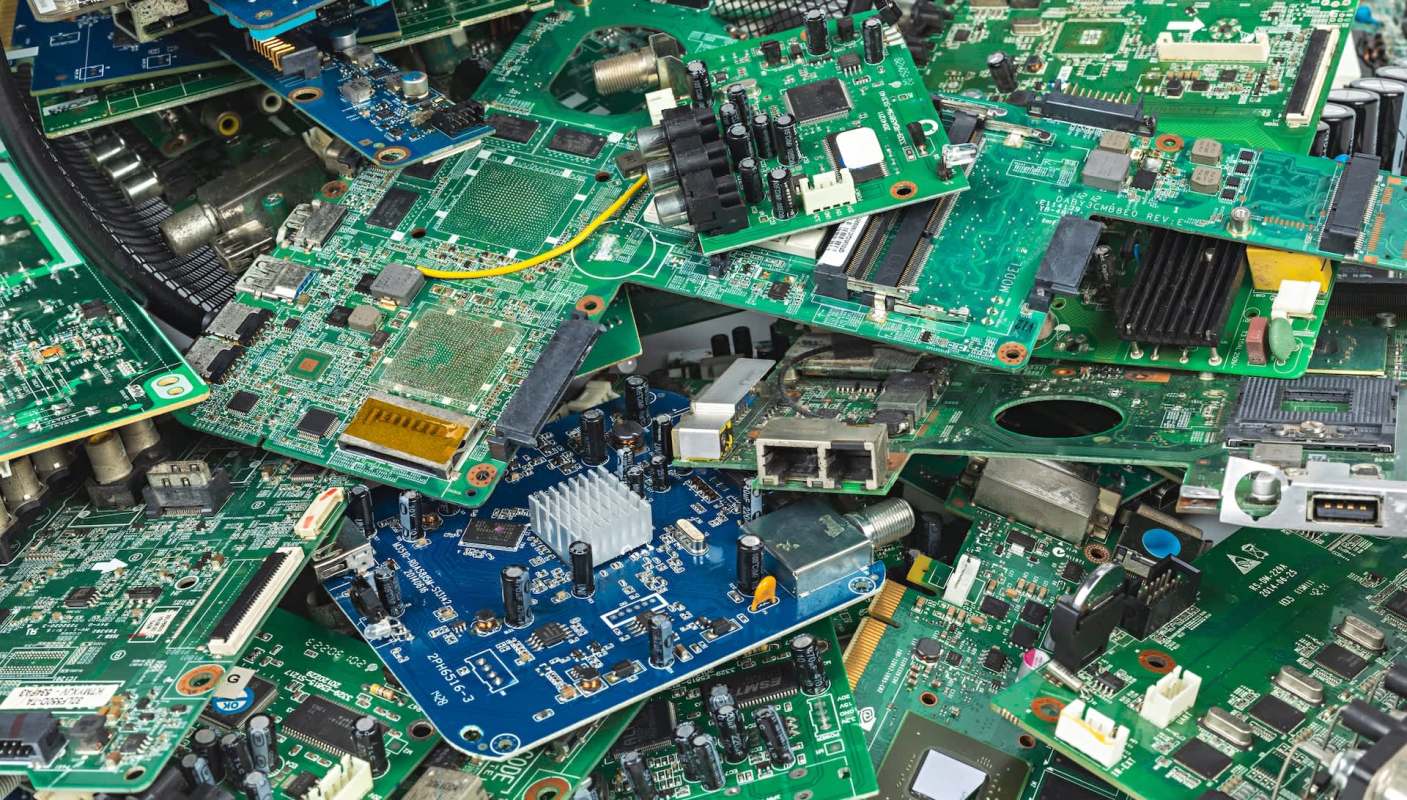
A Ph.D. researcher may have cracked a code that could ultimately benefit businesses, consumers, and public health — and his lucrative quest is just beginning.
William Sheard discussed his mission to recover valuable metals from electronic waste in a media release from New Zealand's University of Auckland, where he is a doctoral candidate.
With e-waste being one of the fastest-growing waste streams globally, an estimated $100 billion in recyclable materials end up getting tossed each year.
In the long term, this could lead to significant strain on supply chains as finite resources grow scarce, and costs could continue to rise for both manufacturers and consumers. In the near term, mining for metals can cause environmental damage and groundwater contamination.
"The more metals we can get out of e-waste, the fewer new mining projects you need," Sheard, a master's student in chemistry in 2021, explained. "If you can mine e-waste instead of the ground, there's less environmental damage and less risk to human health from mine runoff."
While e-waste recycling does exist, processing plants often rely on toxic chemicals to recover materials. Fortunately, cleaner e-cycling methods are emerging.
As for Sheard's e-waste recycling technique, it would introduce a circular solution for amassed sulphur, which he explains is "a petrochemical waste product that gets stockpiled."
After receiving a scholarship in 2023 from the University's Centre for Climate, Biodiversity and Society, Sheard is experimenting with how to use sulphur polymers to filter metals from e-waste.
Today, he is still fine-tuning the process and has been in contact with e-waste recycling organizations to learn how to effectively run large-scale recycling operations.
"The next step is figuring out how to get the metal off again, after it has bonded with the sulphur polymer," Sheard said in the release. "Ideally, we want to re-use the polysulphide too."
TCD Picks » Quince Spotlight
💡These best-sellers from Quince deliver affordable, sustainable luxury for all




"It would be awesome if we can get the valuable metals out of e-waste and create a lovely circular economy," he added.
|
Which of these factors would most effectively motivate you to recycle old clothes and electronics?
Click your choice to see results and speak your mind. |
 Giving me money back 💰
Join our free newsletter for weekly updates on the latest innovations improving our lives and shaping our future, and don't miss this cool list of easy ways to help yourself while helping the planet.
Cool Picks





