


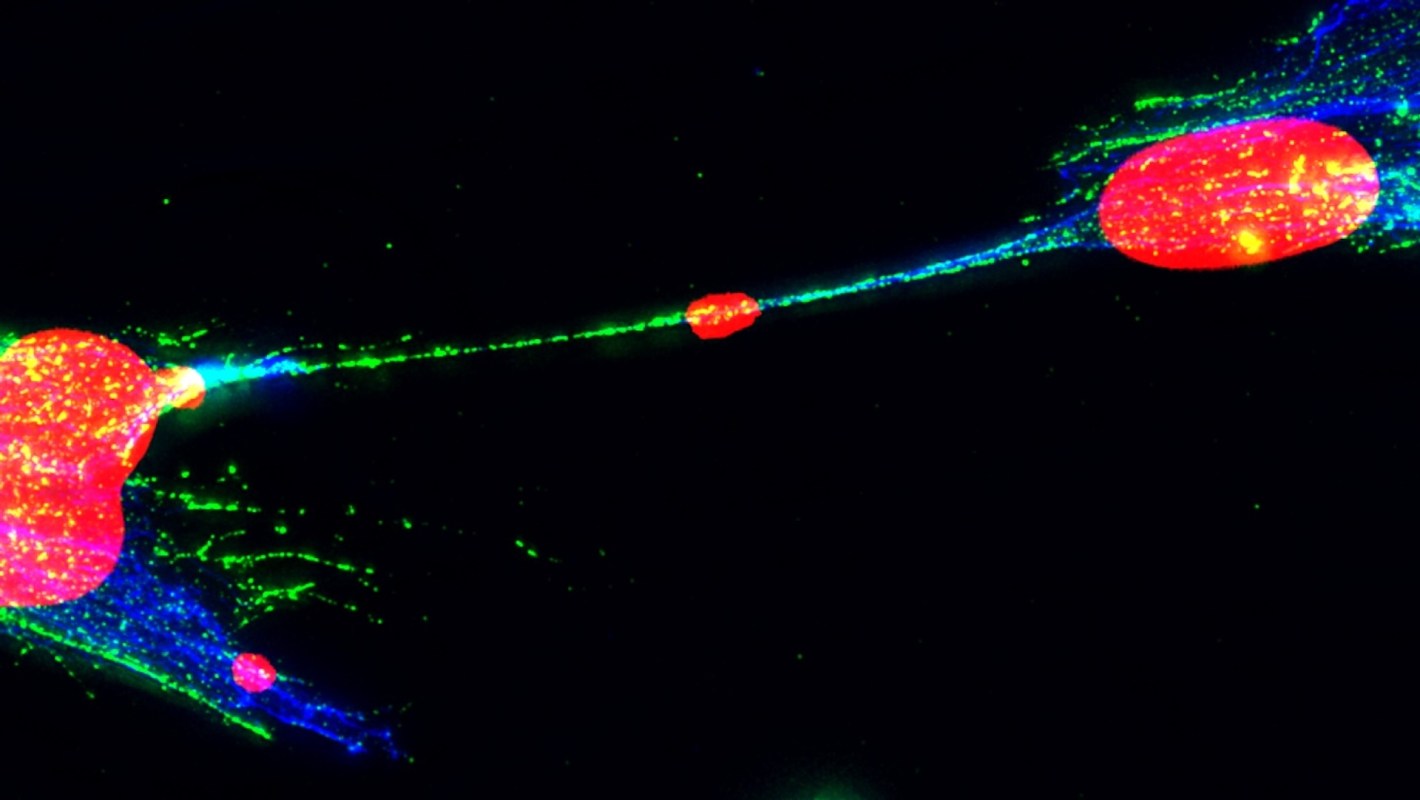
A new study has scientists buzzing after researchers found that damaged DNA may be able to move directly from one human cell to another.
The discovery, published in the journal Cell, points to a possible new way cancer-related problems could spread inside the body.
What's happening?
According to Science News, researchers at UT Southwestern's Children's Medical Center Research Institute in Dallas mixed two types of human cells in the lab and then triggered damage in their genomes.
What they observed was unexpected: DNA fragments appeared to leave one cell and travel into a neighboring one.
Under a microscope, the cells were connected by ultrathin bridges known as tunneling nanotubes. These tiny tubes were already known for moving cargo between cells, but the new study is the first to clearly tie them to DNA transfer.
The finding is drawing attention because the DNA did not appear to be harmless debris.
TCD Picks » Quince Spotlight
💡These best-sellers from Quince deliver affordable, sustainable luxury for all




In one experiment, the team found that an antibiotic-resistance gene inserted into male cells' Y chromosome later appeared in nearby female cells, suggesting the transferred DNA could carry real biological effects.
Why does it matter?
DNA damage and chromosome errors are common in tumors. Researchers now want to know whether cancer cells might use these nanotube "highways" to pass harmful genetic fragments to nearby cells.
If that happens in living tumors, it could help explain how resistance to treatment spreads or why some cancers become more difficult to control over time. A fragment carrying a dangerous mutation or a therapy-resistant trait may not stay confined to a single cell.
For everyday readers, this remains early-stage research — not a new diagnostic tool or treatment.
Still, the finding matters because discoveries like this can reshape how doctors and scientists think about disease spread inside the body.
In broader health terms, it is another reminder that cancer may not always behave like a collection of isolated bad cells. It can act more like a network, with cells influencing one another in ways researchers are still working to understand.
The study also helps connect earlier clues that human cells may swap DNA through close contact or tiny bubble-like packages, offering stronger evidence for a direct route.
What are people saying?
Cancer biologist Paul Mischel of Stanford University called the research "an important and exciting discovery." The discovery asks major questions about how cancer is impacted by this phenomenon.
Christoph Gerdes of the Princess Margaret Cancer Centre in Toronto said the work "opens up some new possibilities," especially around whether chemotherapy-resistant traits might spread between cells.
Meanwhile, Peter Ly, cancer cell biologist and lead researcher, said, "We still have a lot of work to do" to determine how often this happens and whether it appears across different tumors.

Get TCD's free newsletters for easy tips, smart advice, and a chance to earn $5,000 toward home upgrades. To see more stories like this one, change your Google preferences here.






