


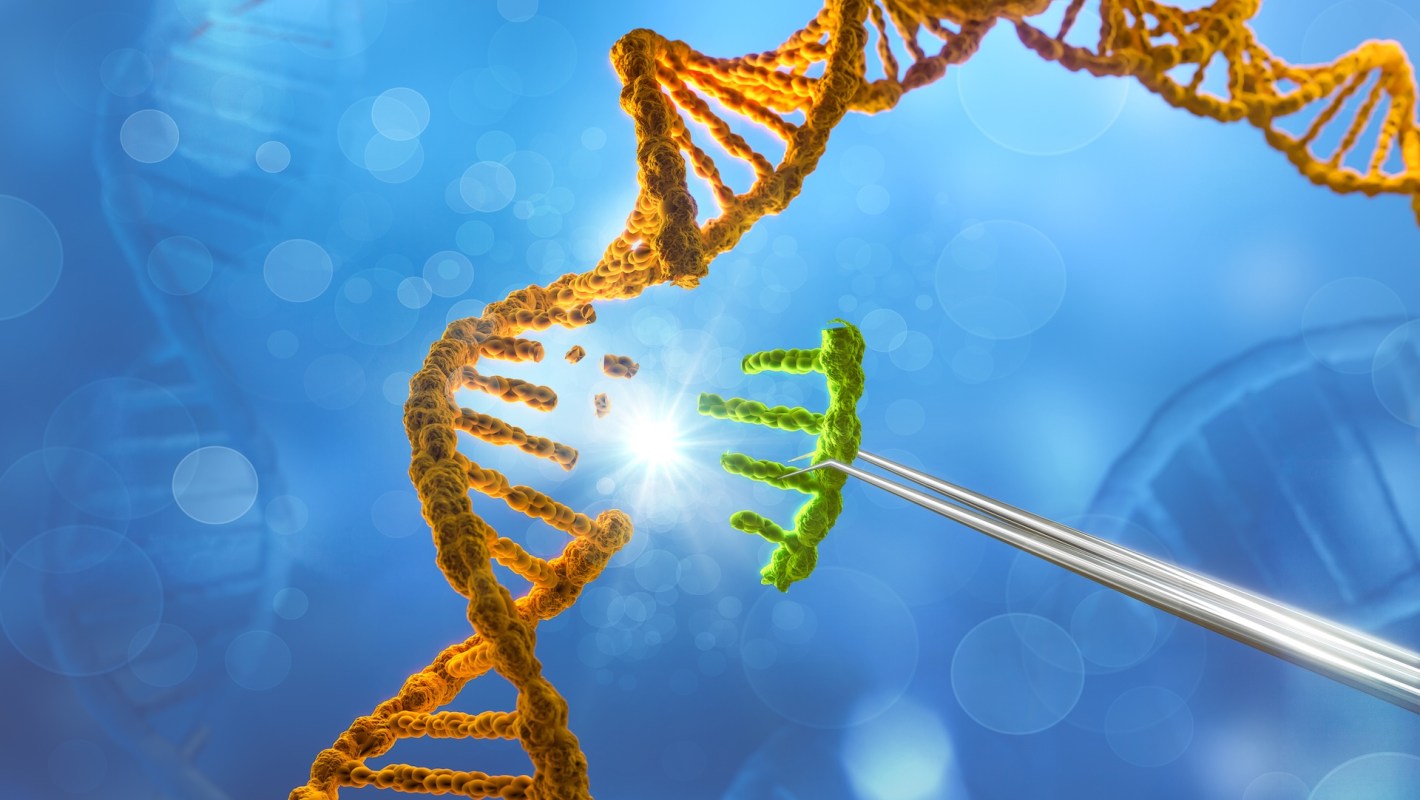
In a remarkable feat, scientists have achieved the ability to selectively target and remove tumor DNA.
Researchers from Wageningen University & Research and Van Andel Institute used a variant of CRISPR, a gene-editing tool, to detect subtle chemical differences between healthy cells and cancer cells. The tumor DNA can then be identified and cut out.
The CRISPR variant, ThermoCas9, relies on biomarkers attached to DNA that indicate whether a cell is cancerous based on its ability to regulate gene expression, otherwise known as DNA methylation. Cancer cells typically have altered gene expressions that contribute to progression and metastasis.
Profiling the chemical tags on DNA "has emerged as a powerful tool for disease detection and post-treatment monitoring," the experts noted in the journal Nature.
The study is particularly groundbreaking, as it is the first to successfully use CRISPR-based technology and DNA methylation to single out cancer cells.
"ThermoCas9 uses methylation like an address to precisely target cancer cells while leaving healthy cells untouched," Dr. Hong Li said in a press release. "The findings could be a game changer."
TCD Picks » Quince Spotlight
💡These best-sellers from Quince deliver affordable, sustainable luxury for all




Progressive research like this is critical, and it highlights the importance of emerging technologies in solving global health crises, such as aggressive cancers, heart-related illnesses, and even debilitating viral infections.
Elsewhere, scientists have used gene-editing technology to produce more robust crop yields amid intensifying extreme weather events, underscoring the method's broad applications.
The ThermoCas9 breakthrough marks a significant step forward in cancer treatment, though researchers noted that there is still a long way to go before the technology can be distributed as a proper treatment.
The study also emphasized the need for more attention on whether selective DNA cleavage can effectively kill tumor cells.
However, the ThermoCas9 tool could evolve into a standard technology capable of recognizing diseased cells by their "address," a futuristic tactic to disable molecular ticking time bombs.
|
Which of these savings plans for rooftop solar panels would be most appealing for you?
Click your choice to see results and earn rewards to spend on home upgrades. |
 Save $1,000 this year 💸
Get TCD's free newsletters for easy tips, smart advice, and a chance to earn $5,000 toward home upgrades. To see more stories like this one, change your Google preferences here.






