


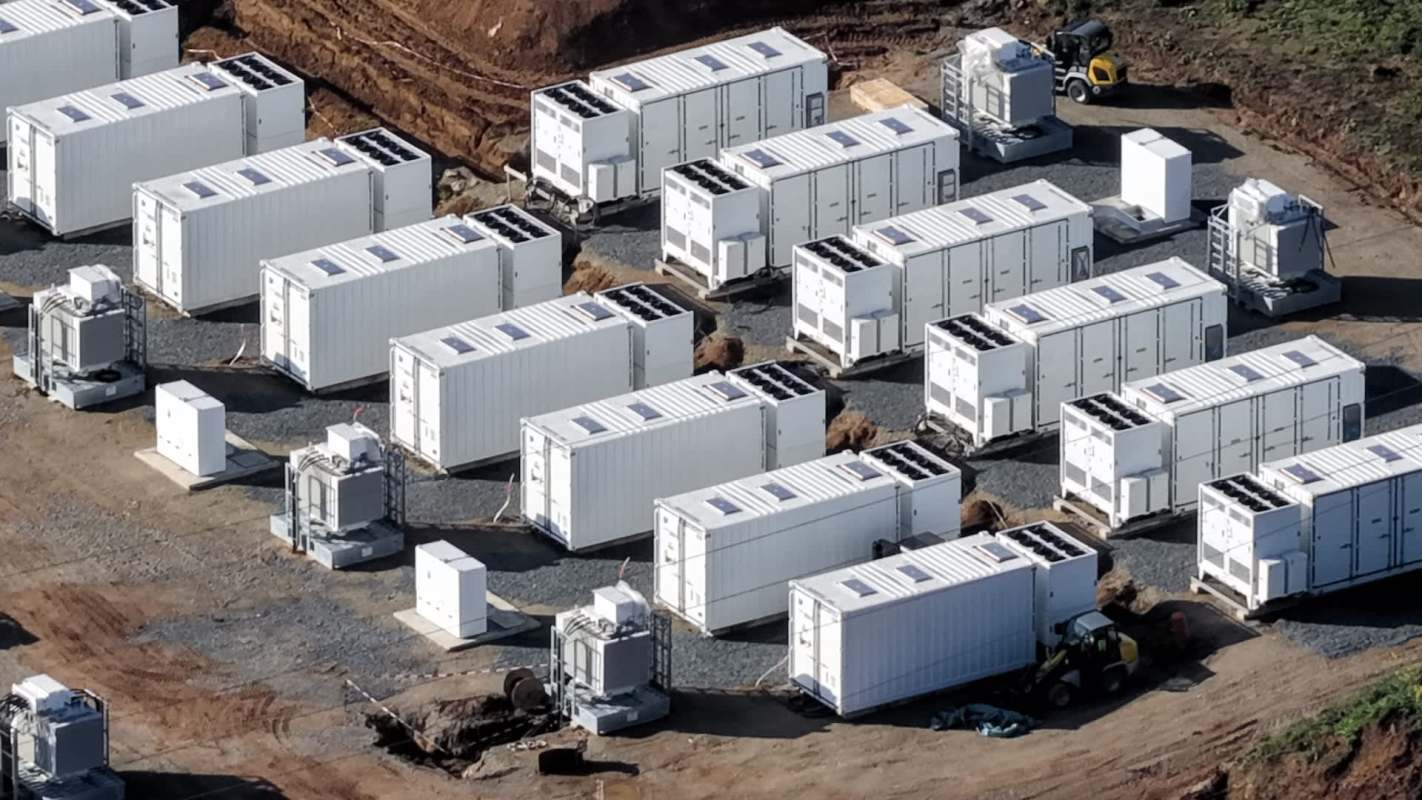
A dispute over a proposed battery storage project in southeastern Wisconsin is widening into a broader political fight, as Western Kenosha County publication West of the I detailed.
Local officials are pressing for new state restrictions through a resolution, even as a developer moves ahead through a separate approval process.
What's happening?
West of the I reports that just days after Robin Energy Storage submitted an application to the Public Service Commission of Wisconsin for a project in Wheatland, the Town Board unanimously passed a Monday resolution urging the Wisconsin State Legislature to limit large battery energy storage systems (BESS).
As West of the I reported, the planned facility would occupy about 12 acres of a roughly 29-acre parcel east of 392nd Avenue and just north of Highway 50, near an existing electrical substation.
The proposal has been drawing opposition for months, the outlet noted. After the project emerged in late 2025, three of four related land-use requests received unfavorable recommendations from the town Plan Commission in January.
Robin Energy Storage later withdrew the project before the Town Board could hold a formal vote, West of the I recounted.
TCD Picks » Quince Spotlight
💡These best-sellers from Quince deliver affordable, sustainable luxury for all




It has since said the town would receive about $8 million over 20 years through a joint development agreement if the project won local approval and was ultimately constructed, the site reported.
On May 19, Kenosha County also approved a one-year moratorium on considering new BESS permits, per West of the I.
The saga reflects a broader tension playing out in communities across the country. The friction revolves around how to address legitimate safety concerns without slowing the infrastructure needed for a cleaner, more reliable electric grid.
Why does it matter?
Battery storage has become an increasingly important part of the clean energy transition because it allows electricity to be stored for later use, helps smooth demand on the grid, and supports renewable sources such as solar and wind when sunshine or wind power is unavailable.
Broad restrictions on these projects could have consequences beyond a single Wisconsin town. If states make large-scale storage harder to site, cleaner energy projects can be delayed, grid flexibility can be reduced, and progress toward lower pollution and a more dependable power system can slow.
Those concerns are not unfounded. West of the I reports opponents in Wheatland have pointed to fire risks and possible environmental harm, citing incidents involving battery facilities in other states. Questions also remain about emergency response, ongoing monitoring, and decommissioning.
The dispute centers on how to address those concerns without shutting down a technology that can support cleaner air, more resilient electricity, and local benefits.
What's being done?
Wheatland's resolution calls for statewide guardrails on large battery storage projects and says they should be allowed only under strict conditions, as West of the I noted.
It also asks the state to adopt Kenosha County's ordinance. Kenosha County was the first county in Wisconsin to adopt such an ordinance in 2024, the outlet said. Pleasant Prairie and Bristol have since adopted their own local rules.
Robin Energy Storage, meanwhile, is pursuing a state-level approval path after saying in May that local approval may not be a workable option. If regulators decide the project falls under state authority, they could become the main decision-makers in the next phase of the dispute, West of the I said.

Get TCD's free newsletters for easy tips, smart advice, and a chance to earn $5,000 toward home upgrades. To see more stories like this one, change your Google preferences here.






