


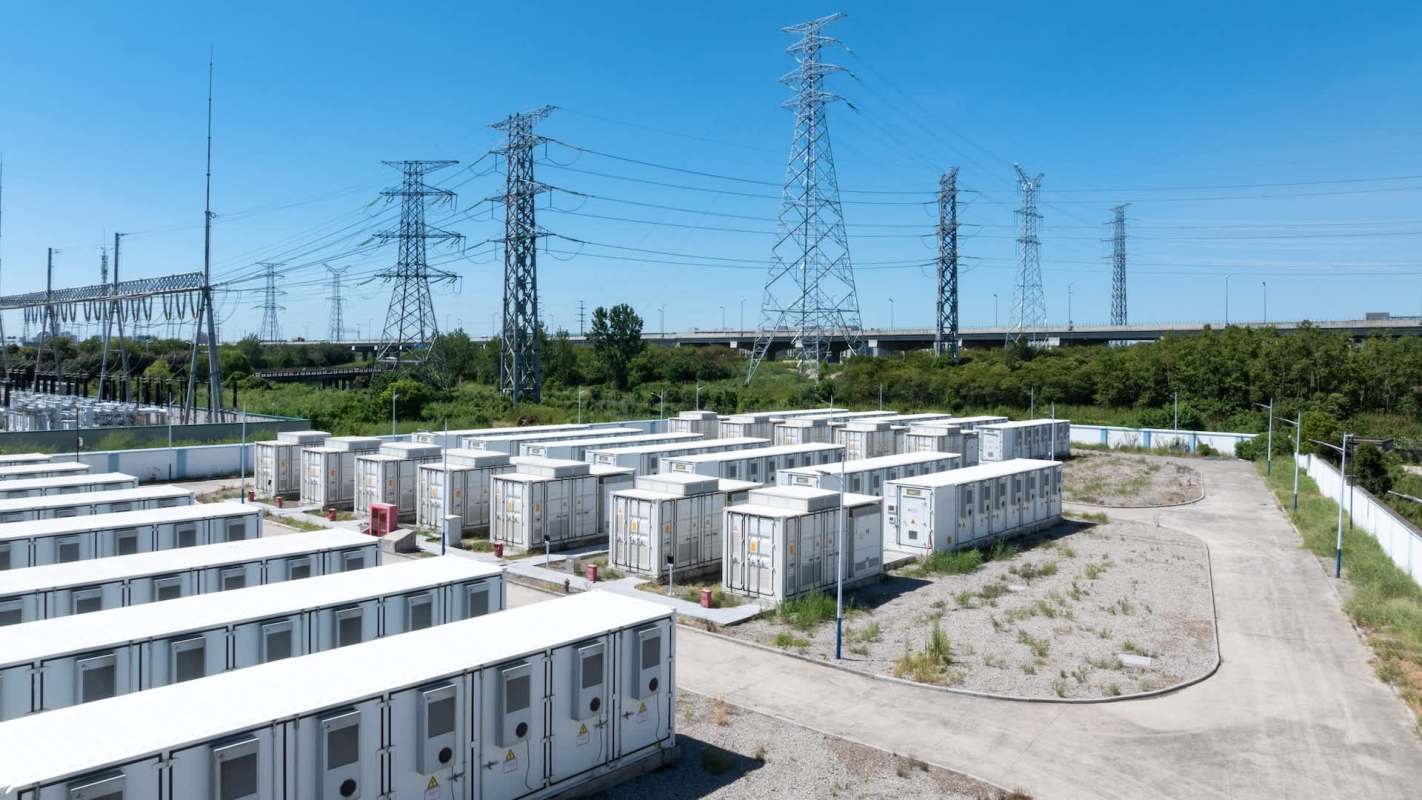
America's battery storage buildout just logged its strongest first quarter ever — a sign the grid is getting better at storing electricity for later, when homes, businesses, and cities need it most.
In the first three months of 2026, the U.S. added 3.3 gigawatts of battery storage, or 8.4 gigawatt-hours, setting a new record for the start of a year. That put the industry 54% above the previous first-quarter high.
What happened?
ACP and Wood Mackenzie published the numbers in the latest U.S. Energy Storage Monitor, and Renewables Now said each major part of the battery market posted a first-quarter record.
Residential installations reached 1.3 gigawatt-hours, up 86% from a year earlier and 5% from the previous quarter. The biggest share of new capacity still came from utility-scale projects, which added more than 2.3 gigawatts and 6.8 gigawatt-hours.
In the community, commercial, and industrial segments, deployments totaled 97.7 megawatts, up 27% from the previous quarter.
The jump was partly a matter of timing: some projects that had slipped from 2025 were completed in early 2026, while developers also pushed to meet tax-incentive deadlines for pipeline projects.
TCD Picks » Quince Spotlight
💡These best-sellers from Quince deliver affordable, sustainable luxury for all




The residential market also got a lift from late-2025 launches designed to capture the expiring Section 25D tax credit.
Why does it matter?
At the grid level, battery storage allows electricity generated during periods of strong solar and wind production to be stored and released later, especially during evening demand spikes.
It can reduce strain on the system, lower reliance on expensive backup power plants, and improve reliability during heat waves, storms, and blackouts.
For households and businesses, batteries can provide more backup power, fewer interruptions, and greater value from rooftop solar systems.
For cities and utilities, they can help avoid costly grid upgrades and keep electricity flowing more efficiently when demand suddenly rises.
Looking ahead, the report projects cumulative U.S. battery installations will reach 200 gigawatts and 655 gigawatt-hours by 2031, a 275% increase over six years. Utility-scale storage is expected to drive most of that growth, even as the residential segment is forecast to decline 5% in 2026.
What are people saying?
Wood Mackenzie's Allison Weis said the surge reflects a rush to secure projects and supplies before stricter sourcing requirements take effect.
"Developers with mature pipelines and available capital rushed to safe harbour their pipelines in late 2025 and will now work to secure long-term supply agreements with domestic manufacturers for the rest of their pipeline," she commented, per Renewables Now.
Weis also said the sector's next challenge will be securing enough FEOC-compliant components.
"Battery energy storage cell manufacturers will work to secure limited FEOC-compliant cell components to qualify for the 45X tax credit, a key factor in maintaining cost competitiveness with China."

Get TCD's free newsletters for easy tips, smart advice, and a chance to earn $5,000 toward home upgrades. To see more stories like this one, change your Google preferences here.






