


A seemingly small solar-spec question can make a big difference for anyone trying to power part of their home with a portable battery.
One EcoFlow Delta 2 Max owner turned to the internet before connecting two 450-watt panels to a garage setup, and the answer could help other buyers avoid an expensive mistake.
Here's what to know
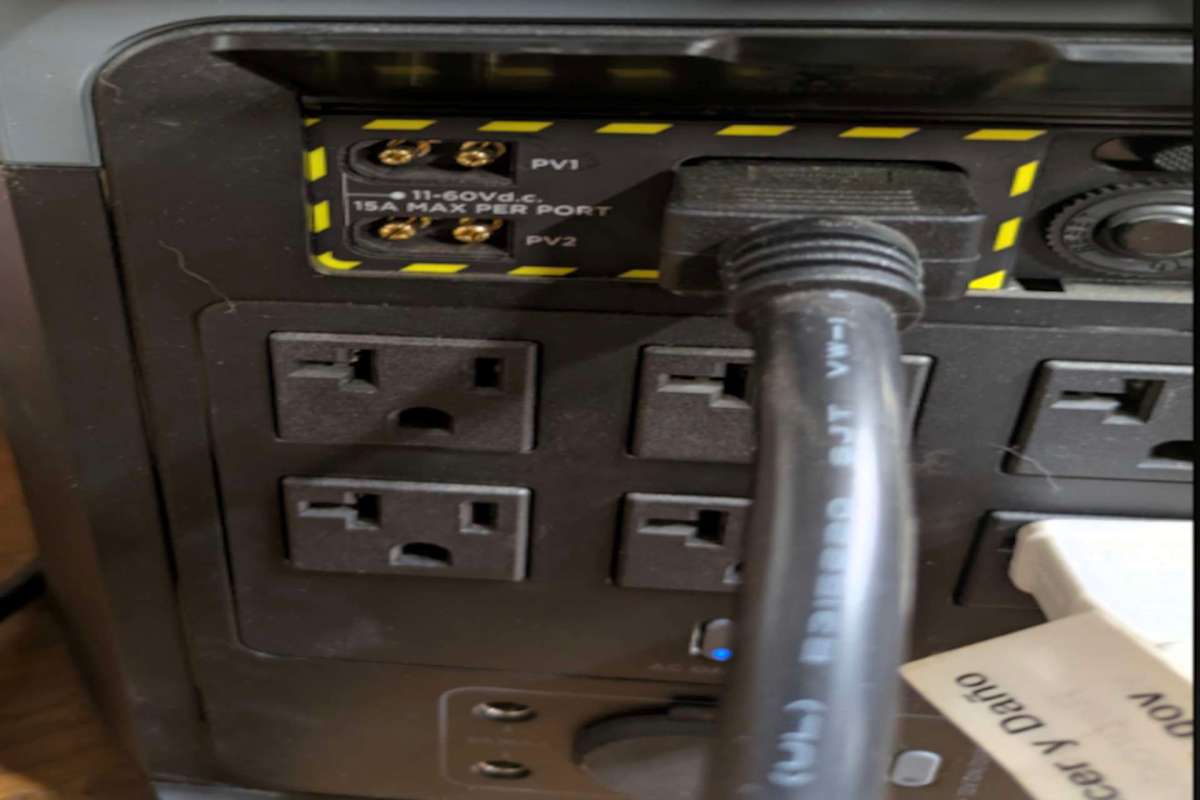
On Reddit, a Delta 2 Max owner asked for help with a solar setup meant to handle most of a garage. The key question was whether the unit's 60-volt solar limit applied to each of the two inputs separately or to both at once.
The poster added, "I'm just wondering if these would work or if I'd smoke my unit."
The specs they cited were a total solar intake of 1,000 watts, with each input limited to 500 watts and 15 amps. Their proposed arrangement was one 450-watt panel per port, with the panels listed at 39.8V open-circuit and 34V at maximum power.
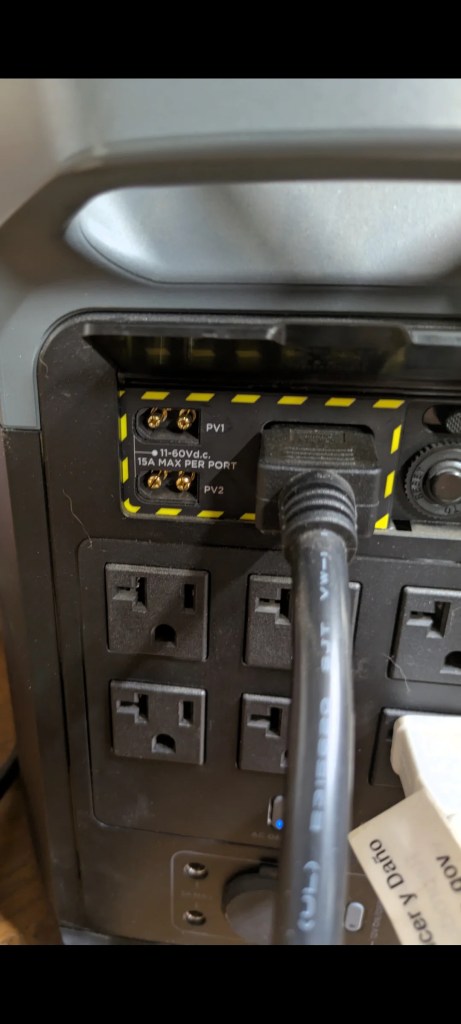
One commenter wrote, "60v max per port. If it were 60v combined, you would not be able to get 1000w into the unit with most panels."
TCD Picks » Quince Spotlight
💡These best-sellers from Quince deliver affordable, sustainable luxury for all




That distinction matters a lot for the planned configuration. If both ports had to share a single 60V cap, the setup would seem much more hazardous. If the limit is separate for each input, though, then one 450-watt panel per port appears to fit within the specs described in the thread.
More background
This kind of question is becoming more common as more homeowners pair portable power stations with rooftop-style or standalone solar panels.
The appeal is straightforward: more self-generated electricity, less dependence on the grid, and a better chance of keeping essential devices running during outages.
For someone trying to power garage lights, chargers, battery-powered tools, or small appliances, a properly matched pair of 450-watt panels could reduce how often the Delta 2 Max needs to be charged from a wall outlet.
Over time, that can lead to real savings on utility bills, since every kilowatt-hour captured from the sun is one less bought from the power company.
The replies also showed that choosing solar gear is about more than just wattage. One commenter said 550- or 600-watt panels could be "much better" if they still stayed within the required specs.
Others pointed out that different wiring choices can create new issues, especially if panels are placed in series and the voltage climbs beyond the 60V limit.
There was also some debate over parallel wiring and amperage, and even experienced users did not always agree on edge-case setups. Still, the broad consensus in the thread remained the same on one key point: the 60V cap is per port.
What can be done?
Series wiring increases voltage, while parallel wiring raises available current, meaning a setup that seems safe with one panel per port may need a second review if more panels are added later.
Getting the match right can also improve the financial payoff of a power station. A system that reaches the unit's solar limits efficiently can recharge faster during daylight hours and reduce grid use more often.
One commenter with a larger setup said, "I get to the 500w max per port earlier in the day," pointing to the practical value of maximizing solar harvest when sunlight is available.
After getting answers, the original poster sounded reassured, replying, "Awesome thank you!! So the panels I'm looking at should work for the unit without a problem?"
One commenter responded, "Yup should work fine."
Where can I learn more?
Sorting through panel specs, output claims, and long-term savings can get complicated fast. These articles put the EcoFlow question in a wider context, from one homeowner's redesign to the broader push for more solar capacity.
• One homeowner watched Sunrun cut 13 panels from a 51-panel plan while promising identical output.
• In Massachusetts, solar, mini-splits, and net metering left one homeowner 4,100 kWh ahead.
The common thread is simple: solar purchases go better when the numbers hold up in the real world.
For portable power station owners, that means checking compatibility before buying so every panel works as expected — and every watt counts.

Get TCD's free newsletters for easy tips, smart advice, and a chance to earn $5,000 toward home upgrades. To see more stories like this one, change your Google preferences here.






