


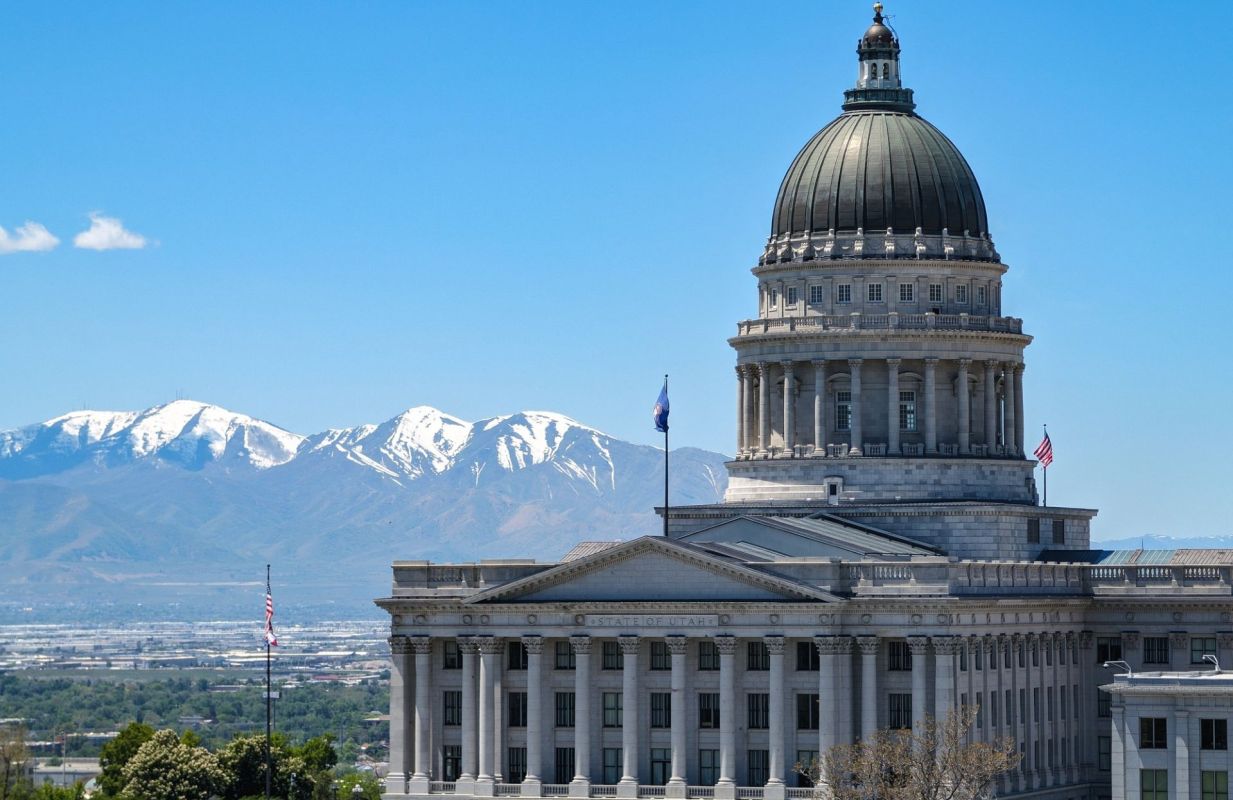
With more data-center projects under consideration in Utah, lawmakers are trying to determine whether the economic upside is enough to outweigh the demands these facilities can place on electricity, water, and other public systems.
Here's what to know
During the state's interim session, that debate drew hours of attention from several legislative committees as they examined how Utah should classify these projects and whether facilities tied to artificial intelligence should receive incentives, according to KUTV.
Among the main issues lawmakers discussed were power demand, water use, noise, air quality, and who should pay for the infrastructure needed to support new developments.
State Rep. Jon Hawkins framed the conversation around both current rules and future definitions.
He said, "We're here to discuss two items around data centers: What is our current state policy, and how are we going to define data centers moving forward?"
Similar worries are coming from residents.
TCD Picks » Quince Spotlight
💡These best-sellers from Quince deliver affordable, sustainable luxury for all




One community member told KUTV, "The water, the infrastructure. It would bring jobs, but only short term, not really long term. The energy also, the increase that it would pull for that is substantial."
Lawmakers were also told that data centers can add significant property-tax revenue, but that benefit can fluctuate because the equipment inside the facilities loses value as it ages.
Rep. Nicholeen Peck said, "There is a little bit of volatility because of the depreciation of the actual assets within the data centers."
More background
Data centers support services such as cloud storage and AI, and they can also be used for tasks like improving software, coordinating logistics, and helping cleaner energy systems run more efficiently. But fast growth in the sector can put pressure on utilities, increase water needs in some cooling setups, and potentially raise energy costs for homes and businesses if major grid upgrades are needed.
Peck said those conversations are already affecting her Tooele-area district. One large facility is moving forward in Dugway with MIDA, and another is being discussed at the Utah Inland Port.
The discussion was not limited to electricity use. As lawmakers considered broader environmental effects, Rep. Jim Dunnigan specifically asked about "the air quality or the airshed."
After visiting a facility in South Jordan, Peck pointed to a cooling design that avoids ongoing water use.
"They don't do any of the cooling with water," Peck said, explaining that the facility uses a closed system with air, fans, and coils.
What's being done?
At this stage, Utah is still gathering information.
Multiple committees are reviewing how the state should handle data centers, including whether tax incentives remain appropriate and what standards should be in place as more projects are proposed.
Sen. Daniel McCay, who chairs the Revenue and Taxation Interim Committee, made clear he is wary of incentives.
He said, "I do not feel that we ought to be using as much property tax to incentivize these data centers."
The outcome of that review could affect how future projects are approved, taxed, and tied into local infrastructure. It could also shape the extent of community input on issues such as noise, land use, water systems, and grid capacity before facilities move ahead.
Peck said it is important for the public to stay involved while the state works through those decisions.
"They are concerned, and I think it's good that people are voicing their opinions," she said. "I think it's good they're getting involved in the conversation."
McCay said, "I think we're on pace, and I would say we're probably ahead as it relates to the rest of the country."

Get TCD's free newsletters for easy tips, smart advice, and a chance to earn $5,000 toward home upgrades. To see more stories like this one, change your Google preferences here.






