


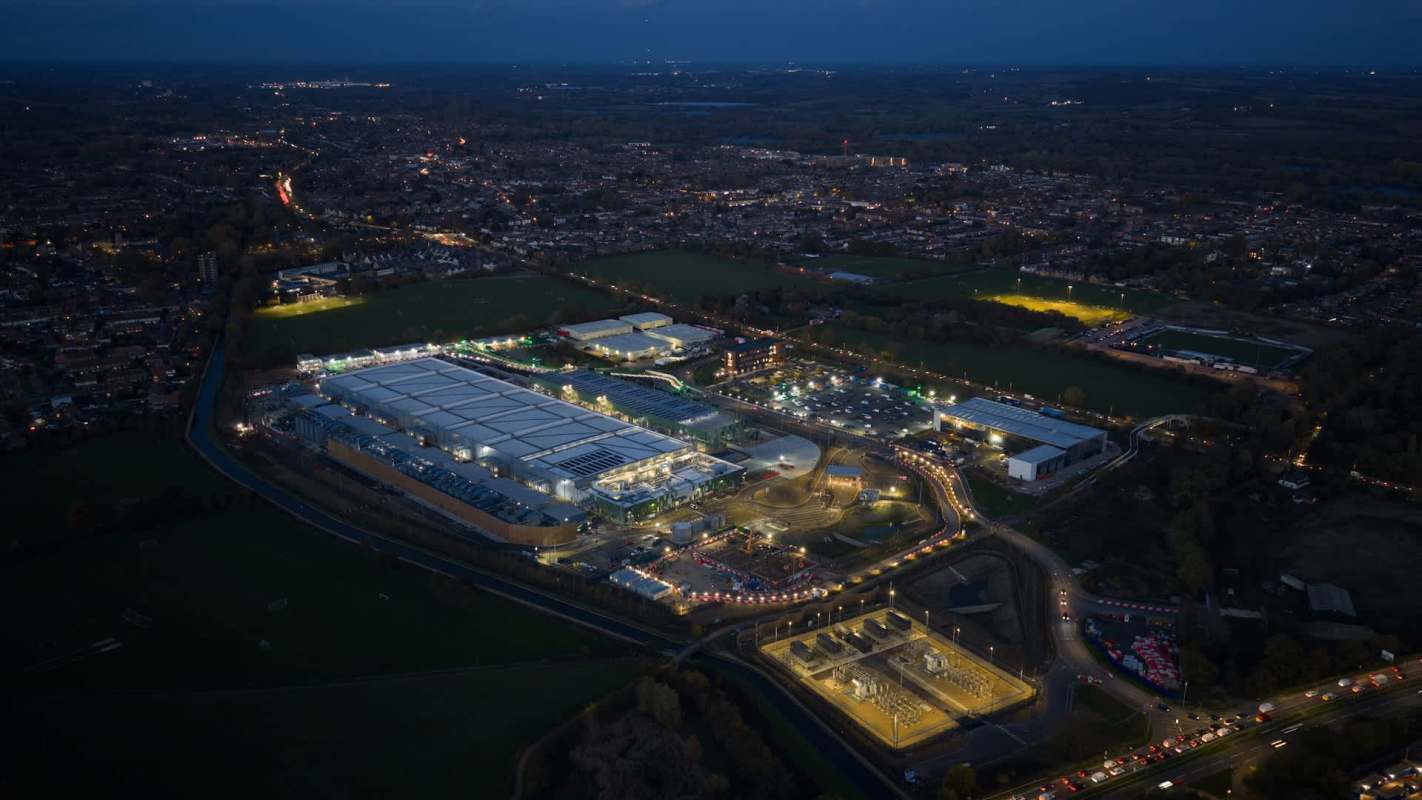
In Northern Virginia, the rise of artificial intelligence is reshaping more than the internet. It is also transforming neighborhoods, utility bills, and local water systems as giant data centers spread across Loudoun County's so-called Data Center Alley.
As Sierra reported, this is the world's biggest data center hub, and environmental advocates now say another threat deserves more attention: PFAS, the toxic "forever chemicals" that may be tied to how these facilities are cooled.
Data centers power tools such as ChatGPT, Gemini, and Midjourney, and demand for them has fueled a massive building boom in Virginia and across the country. Companies have promised jobs and economic growth, but residents and environmental groups say the costs are piling up just as quickly.
These facilities can consume enormous amounts of electricity and, according to Sierra, up to roughly 2 million gallons of water daily. At the same time, nearby communities deal with noise, air pollution, and altered landscapes.
A recent report by the Environmental and Energy Study Institute also found that energy prices in states, including Virginia, rose by up to 267% over five years as utilities expanded data center infrastructure.
People are also warning that data centers may expose communities to PFAS. Some data centers may use these chemicals in cooling systems, either as refrigerant gases or in immersion cooling fluids, and experts say leaks could contaminate air or water.
TCD Picks » Quince Spotlight
💡These best-sellers from Quince deliver affordable, sustainable luxury for all




PFAS do not break down in the environment, hence the "forever chemicals" moniker. In 2024, the Environmental Protection Agency said that no level of PFAS exposure is safe because of the harm to people and ecosystems, according to Sierra. The World Health Organization has also classified some PFAS compounds as carcinogenic.
That makes their possible use in fast-growing AI infrastructure especially concerning. According to experts cited in Sierra's reporting, some PFAS cooling gases may trap heat at levels thousands of times higher than carbon dioxide. In other cases, PFAS-based cooling liquids can leak into water supplies or agricultural systems.
Virginia residents are already worried about the local toll. Julie Bolthouse of the Piedmont Environmental Council said developers are building data centers near homes and schools. Sierra reported that Paige Wesselink of the Sierra Club's Virginia chapter warned: "Today, there are no safeguards for water pollution of these data centers."
Pushback is growing. Community groups across Virginia and nationwide are increasingly trying to stop or slow new projects, and, according to Sierra's citation of Data Center Watch, citizen opposition nationwide has held up $64 billion in data center investment. Much of that resistance centers on pollution, water use, and quality-of-life concerns, and it seems to be crossing even the deepest partisan divides.
Experts say alternatives do exist. Norbert Conrad of the High-Performance Computing Center in Stuttgart, Germany, said data centers can use alternative cooling options, such as propane or ammonia, or invest in non-PFAS technologies. Those options may require more money or engineering, but they are available.
Consumers cannot fix industrial pollution on their own. However, they can still play a role by paying attention to local zoning fights, utility planning, and water-quality issues in their communities. The AI boom is also driving semiconductor expansion, another industry with heavy PFAS use, so residents may want to watch proposals for both data center and chip manufacturing in their area.
"When you have enough evidence that something is harmful, you want to act, even in the face of uncertainty," said Joseph Braun, a professor of epidemiology at Brown University, according to Sierra.
And as Bolthouse put it: "The AI bubble will eventually pop. The real question is: How much damage do we do before it does?"

Get TCD's free newsletters for easy tips, smart advice, and a chance to earn $5,000 toward home upgrades. To see more stories like this one, change your Google preferences here.






