


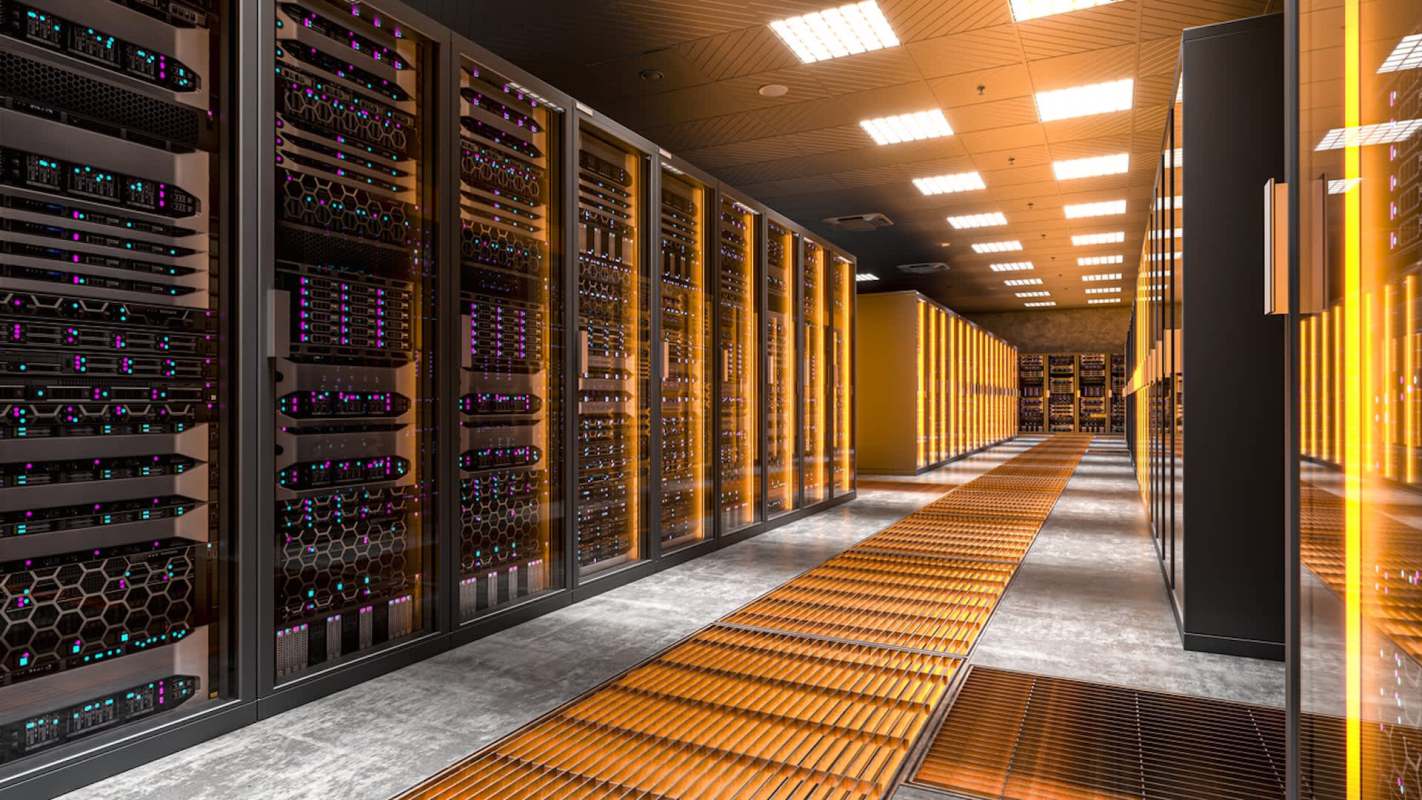
Extreme heat is once again testing electricity systems in parts of the United States, and data centers and other major power users could be among the first customers asked to disconnect from the grid.
According to Spotlight PA, federal emergency orders have expanded the authority of grid operators across broad areas of the South and Midwest to require data centers to leave the grid and run on backup generators.
What's happening?
Two major grid operators, PJM Interconnection and Southwest Power Pool, have been covered by six U.S. Department of Energy emergency orders since May, the outlet reported. Together, they serve 30 states and include some of the country's largest concentrations of data centers.
Called 202(c) authorizations, these orders have usually been used to let generators operate more aggressively during heat waves, cold snaps, and other grid emergencies even when that would normally conflict with pollution rules.
They are now also being used to allow grid operators, if needed, to tell large electricity users, including data centers, to rely on their own generators.
When PJM's system hit a record level of demand in early July, the grid operator told data centers and other major users to be prepared to switch to backup power within 15 minutes, Spotlight PA reported. Even so, neither PJM nor Southwest Power Pool has had to use that authority so far.
TCD Picks » Quince Spotlight
💡These best-sellers from Quince deliver affordable, sustainable luxury for all




Harvard Electricity Law Initiative director Ari Peskoe told the outlet that the move reveals data centers' impact.
"It confirms that data centers are significantly increasing demand for electricity," Peskoe said.
Why does it matter?
Massive data centers help power artificial intelligence tools, cloud services, and digital systems people use every day. AI could also help improve grid management and support cleaner energy systems by forecasting demand, smoothing power use, and optimizing renewables.
But data centers can consume enormous amounts of electricity and water, and rapid expansion can strain aging infrastructure, increase pollution when backup generators turn on, and potentially shift more costs onto households. AI also comes with broader concerns around misuse, cybersecurity, and unintended social impacts.
TCD Picks » Quince Spotlight
💡These best-sellers from Quince deliver affordable, sustainable luxury for all
Backup generators generally create more pollution than electricity from the grid, and Spotlight PA noted that the toll from emergency operations does not count toward a facility's usual limits.
Reuters reported disturbances as far away as Chicago after several data centers in Virginia rapidly shifted to backup power in mid-July. That move cut roughly 3% of electric demand and affected frequency, per Spotlight PA.
What's being done?
Grid operators and federal officials are looking for short-term fixes. The Trump administration has pushed data centers to bring, buy, or build more of their own electricity instead of depending so heavily on the grid, Spotlight PA reported. Energy Secretary Chris Wright began issuing these types of orders during a major January storm.
PJM wants to create a list of major energy users so operators can track where they are and whether they have their own generation.
Experts such as Dartmouth associate professor of engineering Junbo Zhao told Spotlight PA that alone will not solve the problem. More power generation, smarter grid technologies, and better coordination between utilities and data center operators will all be needed.
"They don't have dedicated coordination with each other to improve the efficiency and reliability of the grid," Zhao warned the outlet.

Get TCD's free newsletters for easy tips, smart advice, and a chance to earn $5,000 toward home upgrades. To see more stories like this one, change your Google preferences here.






