


As the number of U.S. data centers grows, a new proposal in Congress would attach more disclosure requirements to some federal tax advantages, WAVY reported.
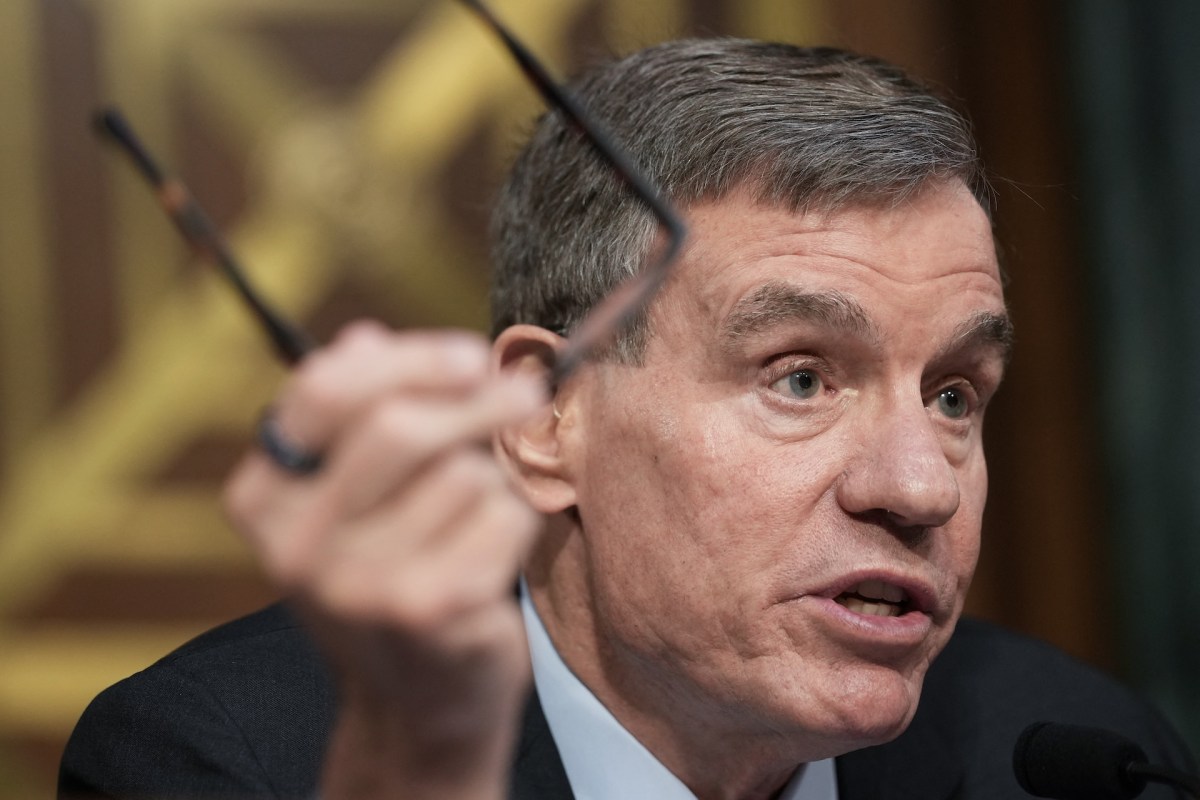
Sen. Mark Warner of Virginia has put forward legislation that would require developers to report how much water and electricity their facilities use before they can receive certain federal tax deferral benefits.
What's happening?
Amid a wave of new data center projects in Virginia and elsewhere, Warner has filed the Data Center Tax Accountability and Disclosure Act, according to WAVY. The legislation is intended to drive nationwide transparency standards for facilities that can use large amounts of power and water.
Using figures from the U.S. Data Center Map, the outlet reported that as of July 2026, the country had nearly 2,700 operating data centers, with more than 1,000 more under construction or planned.
Virginia has become one of the biggest focal points of that growth.
"We are data centers central, particularly up in Loudoun County and around northern Virginia," Mike Gerel, Virginia science manager for the Chesapeake Bay Foundation, told WAVY.
TCD Picks » Quince Spotlight
💡These best-sellers from Quince deliver affordable, sustainable luxury for all




According to Warner, many projects have advanced without much public detail about the resources they will consume. His bill would make disclosure of water and energy use, along with compliance with related standards, a requirement for receiving certain deferral tax benefits.
Why does it matter?
For many households, the biggest concerns are whether the rapid expansion of data centers could drive up utility costs or strain local resources. These facilities support cloud storage, streaming, and artificial intelligence operations, but they can also require extensive energy and water to power and cool their equipment.
That can create consequences well beyond the technology sector. If electricity demand rises sharply, communities may worry about added pressure on the grid and whether those costs will be passed along to ratepayers. Water use can also become a major concern, especially in areas already dealing with rapid growth, drought worries, or aging infrastructure.
And then there's the question of land use — data center build-outs can cover huge numbers of acres of natural habitats and real estate.
Warner framed the issue in consumer terms, saying policymakers need to ensure data centers do not "add to the consumer's electric bill." His comments pointed to another local concern as well: how close large industrial-style developments are to residential neighborhoods.
The debate is also about who benefits, who bears the costs, and how much information communities receive before major projects move forward.
What's being done?
Under Warner's proposal, access to some tax incentives would depend on disclosure. According to WAVY, data center developers would need to report their water and energy consumption and meet related standards before qualifying for certain deferral tax benefits.
Local opposition across the U.S. already blocked more than 75 data center projects worth $130 billion in the first three months of 2026 alone. But this measure would not ban new data centers or halt construction outright.
Instead, it would use tax policy to encourage more responsible siting and operations while setting expectations that could apply nationally, rather than leaving each community to navigate the issue on its own.
As more data centers are proposed, policies like this one could help ensure that the industry's growth comes with clearer safeguards for consumers and communities.
"Making sure these data centers don't add to the consumer's electric bill, make sure there are appropriate uses of water, and setbacks from neighborhoods," Warner said. "You should not get this huge federal tax benefit upfront until you meet these standards."

Get TCD's free newsletters for easy tips, smart advice, and a chance to earn $5,000 toward home upgrades. To see more stories like this one, change your Google preferences here.






