


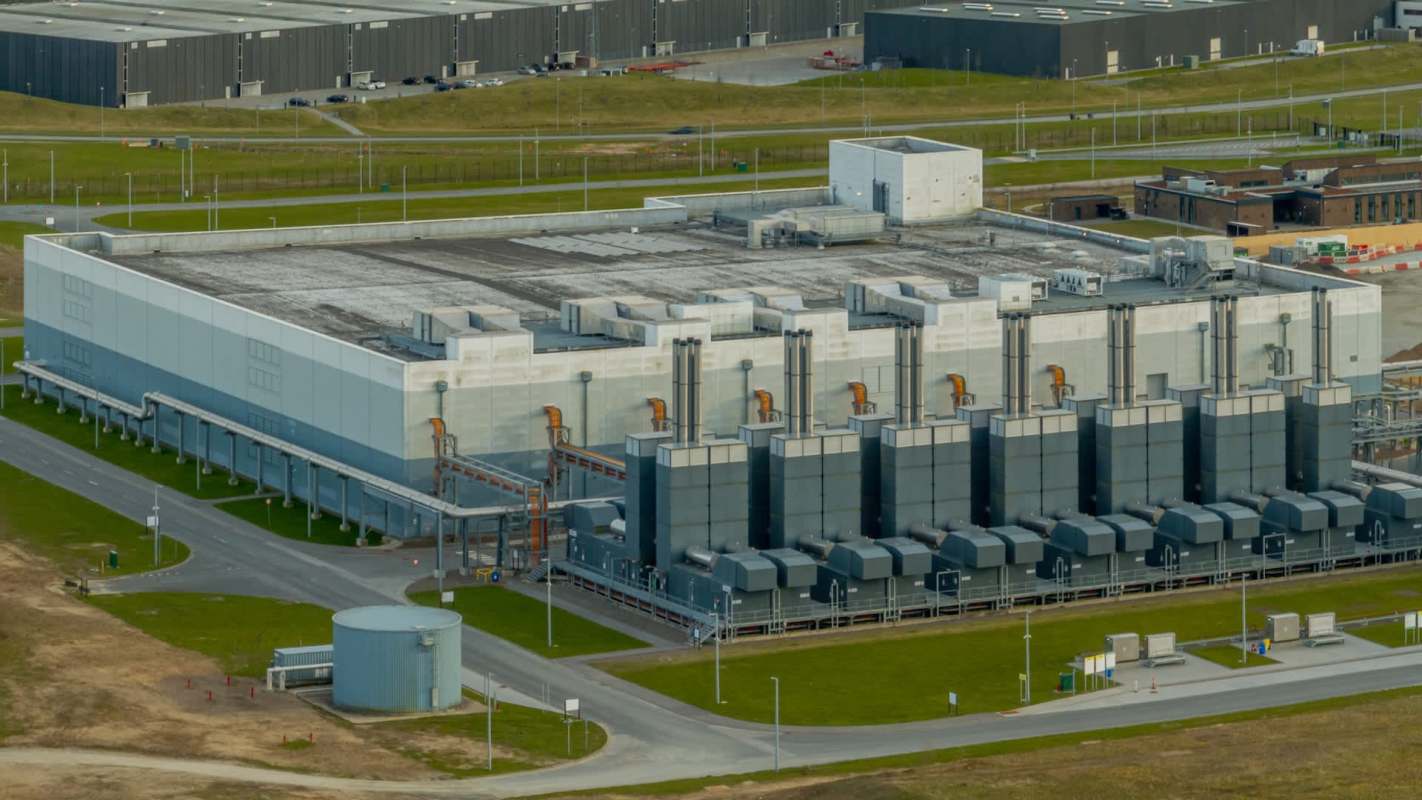
Plans to expand U.S. data center capacity are increasingly colliding with local opposition, as communities question whether new projects will overburden power systems, water supplies, and neighborhoods.
In the first quarter of 2026 alone, that backlash contributed to delays or cancellations affecting billions of dollars in proposed development.
What's happening?
In the first three months of 2026, about 75 U.S. data center projects worth roughly $130 billion were halted or pushed back, according to the technology outlet Tom's Hardware, which cited research from Data Center Watch.
Public sentiment has also turned up in volume. Tom's Hardware said an Ipsos survey from late 2025 found that about half of Americans opposed having a data center built nearby, and that figure reportedly climbed to 70% within a few months. The publication also noted that the amount of development blocked in early 2026 already matches that total for all of 2025.
That pressure is now showing up in policy. By May 2026, nearly 70 local governments had bans in place. Seattle imposed a one-year moratorium affecting five proposed projects, and Maine came close to adopting a statewide ban on large new facilities before the governor vetoed it, the report noted
Why does it matter?
Training and deploying artificial intelligence rely on data centers, but those facilities can require enormous amounts of electricity and, in some cases, large volumes of water for cooling. For people living nearby, that raises concerns about higher utility bills, strained water resources, constant industrial noise, and possible pollution.
TCD Picks » Quince Spotlight
💡These best-sellers from Quince deliver affordable, sustainable luxury for all




There are also potential consequences for the energy grid. AI may offer meaningful benefits, including helping utilities balance electricity demand, improving battery storage, and making clean energy systems more efficient. But at the same time, the rapid expansion of AI infrastructure can drive up energy consumption and put added pressure on already stressed grids.
Residents and local officials have increasingly argued that communities need more time to assess what these projects could mean before approvals move forward. At the same time, federal leaders and AI companies have warned that these delays could make it harder for the U.S. to keep pace with China and secure enough computing power for future AI systems.
But the debate is no longer just about tech growth — it is also about who ends up bearing the cost and who sees the profits.

Get TCD's free newsletters for easy tips, smart advice, and a chance to earn $5,000 toward home upgrades. To see more stories like this one, change your Google preferences here.






