


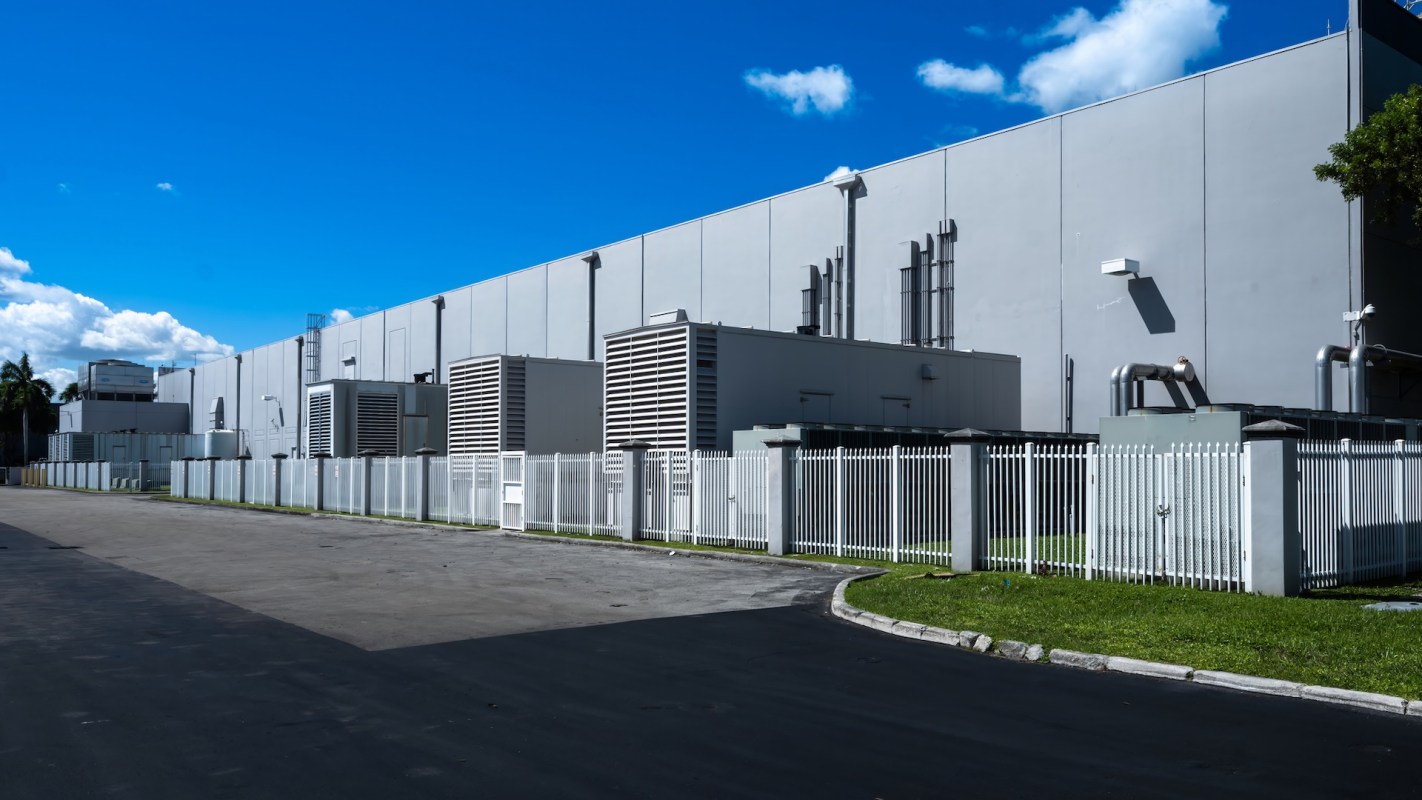
A plan for a 300-megawatt data center on the former Tonawanda Coke property in Tonawanda, New York, met intense resistance earlier this month, as BTPM NPR reported.
A large crowd of residents urged town officials to reject what they see as a project with more downsides than advantages.
What happened?
According to BTPM, opponents filled June 3's Planning Board meeting to challenge the data center proposal linked to the Riverview Innovation and Technology Campus redevelopment.
The project would place a major digital facility on part of the former industrial site along River Road. BTPM noted that the site was once home to Tonawanda Coke, which shut down after years of pollution complaints, federal environmental violations, and bankruptcy.
Much of the criticism centered on the project's electricity needs, possible environmental and noise effects, and the impact it could have on surrounding neighborhoods.
"To what benefit?" resident James Gomez asked, per BTPM. "So that we can all see our electric bills rise due to the energy demand of large corporations and developers?"
TCD Picks » Quince Spotlight
💡These best-sellers from Quince deliver affordable, sustainable luxury for all




Gomez added that the site wouldn't add jobs, nor improve the lives of locals. Another concern was the data center's potential impact on property values and the desirability of the local neighborhoods.
"People aren't going to be able to sell their homes, because who wants to move into a place next to a data center?" local Katie Steszewski asked, according to BTPM. "All the homeowners are going to be stuck."
The Planning Board reportedly appeared to side with the residents, opting to wait for Riverview to submit a revised site plan application before taking up the proposal again.
Why does it matter?
Data centers are increasingly tied to artificial intelligence, cloud computing, and the digital tools people use every day. There are potential benefits to some of these tools in optimizing clean energy systems and aiding conservation efforts.
But these facilities also come with growing concerns, including heavy electricity demand, large-scale water use for cooling in some facilities, cybersecurity risks, misuse of AI systems, and unintended costs that can ripple through surrounding communities.
The debate also reflects a broader question facing many communities regarding whether former industrial land should be reused for high-power tech projects, housing, green space, or other developments that residents see as more directly useful.
"The highest and best use is not necessarily the fastest money that can be made," Bridge Rauch of Clean Air Coalition WNY declared to BTPM. "The best use [is one] that fits the community needs and the community desires."
What's being done?
Town Supervisor John Flynn told the outlet that the process of a new site plan may take several months while the developer completes a grid impact review with the New York Independent System Operator.
"The project is not on hold, and we still firmly believe that our proposed project represents the best avenue to return this historically contaminated site back to active and productive economic use for Tonawanda and Western New York," Riverview said in a statement obtained by BTPM.
Meanwhile, others pointed to alternatives like housing in a dormant area.
"I think people would love to see that, especially semi-near the water," resident Julia Reed suggested, per the outlet. "Something that's more for the community rather than something that just serves the billionaire's pockets."

Get TCD's free newsletters for easy tips, smart advice, and a chance to earn $5,000 toward home upgrades. To see more stories like this one, change your Google preferences here.






