


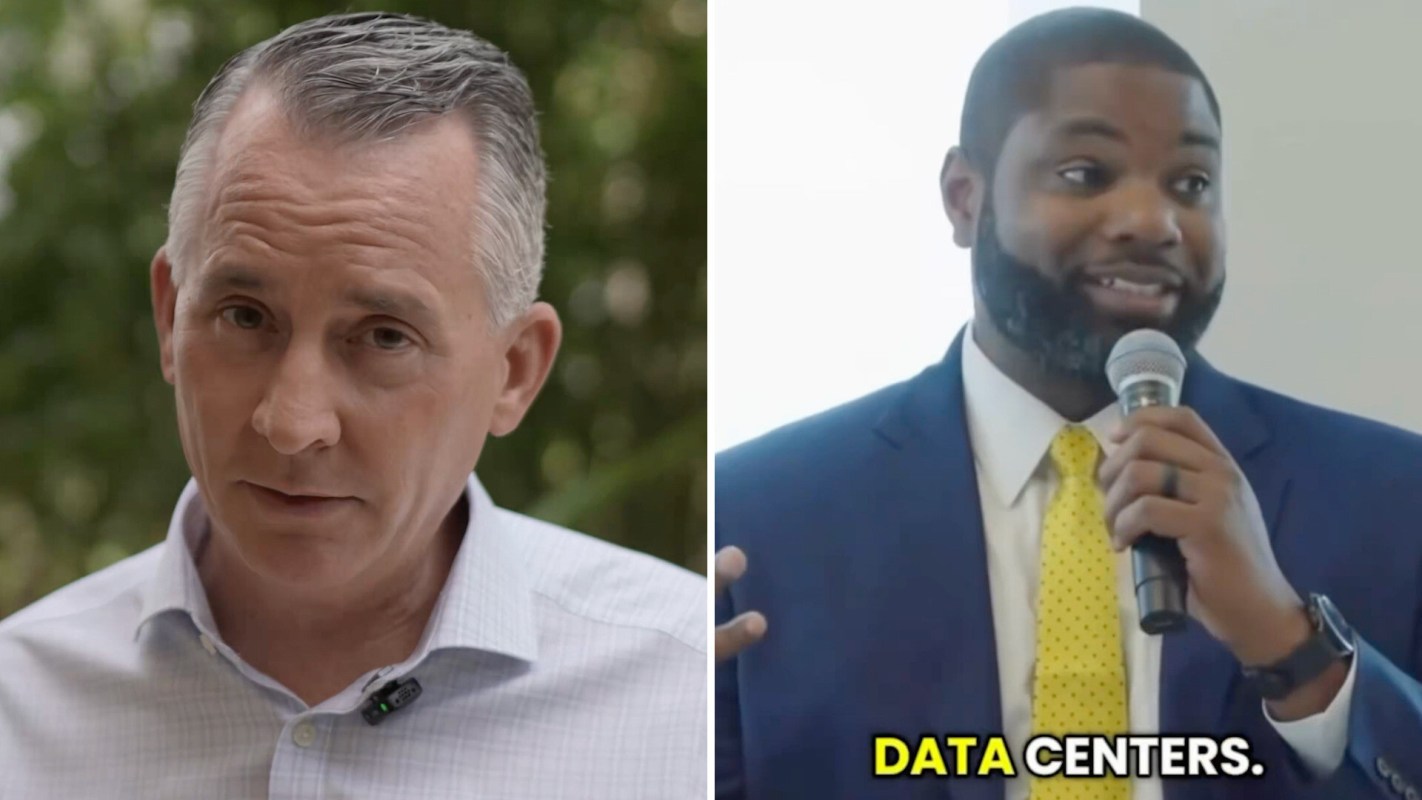
As Florida approaches a primary that is now less than a month away, a debate over data center growth has become part of the state's campaign season.
David Jolly, the leading Democratic candidate for governor, is urging Florida to temporarily stop new data center construction and treat concerns about electricity, water, and costs as a statewide political issue rather than just a local one.
What happened?
In a video posted to the social platform X on Tuesday, Jolly said Florida should put new data center projects on hold while officials study their effects more closely, Politico reported.
I'm calling for a moratorium on data centers until Florida has a responsible plan to protect our water, power grid, and communities. Byron Donalds wants to hand pristine Florida land over to the industry funding his campaign. Our state is not for sale. pic.twitter.com/y2T5oMoPpg
— David Jolly (@davidjollyfl) July 21, 2026
He made the announcement as voters head toward the primary and as disputes over data center development draw increasing attention in communities around the country.
Jolly also used the moment to highlight his differences with Rep. Byron Donalds — the Trump-endorsed GOP front-runner — on how the industry should be regulated.
Data centers are no longer a niche planning issue. These facilities support cloud computing, streaming, and the rapidly expanding artificial intelligence economy, but they can also bring steep electricity demand, heavy water use for cooling, and pressure to build new utility infrastructure.
TCD Picks » Quince Spotlight
💡These best-sellers from Quince deliver affordable, sustainable luxury for all




The clash shows how battles that once mostly played out in local zoning and permitting processes are moving into statewide electoral politics, especially in fast-growing states where land, energy, and affordability are already major concerns.
Why does it matter?
Large server campuses can require major grid upgrades and place heavy demands on local water systems, raising concerns that surrounding communities could feel the strain through higher utility bills, land-use conflicts, or tighter competition for resources.
The issue is also closely tied to AI, which depends on powerful computing infrastructure. AI can offer potential benefits in some areas, including helping utilities forecast demand, improving grid efficiency, and supporting cleaner energy systems.
However, those gains come with tradeoffs. Training and running AI models can consume massive amounts of electricity and water, while the technology also raises concerns about misuse, cybersecurity, and unintended social and economic consequences.
In a state like Florida, where heat, population growth, and storm resilience already put pressure on infrastructure, those tradeoffs can feel especially immediate.
Voters may increasingly ask whether new data centers deliver enough public benefit to justify their local and statewide impacts.
What's being done?
Jolly's proposed freeze is one possible policy response: pause first, then decide what standards should govern future projects.
A statewide approach could give Florida room to examine where data centers should go, how much water and electricity they may use, and whether utilities should be allowed to pass related expansion costs on to customers.
Elsewhere, similar debates have led officials to consider stricter siting reviews, more transparency from developers, and clearer rules around who pays for grid upgrades.
Those steps do not stop tech growth altogether, but they can help communities better understand the tradeoffs before construction begins.

Get TCD's free newsletters for easy tips, smart advice, and a chance to earn $5,000 toward home upgrades. To see more stories like this one, change your Google preferences here.






