


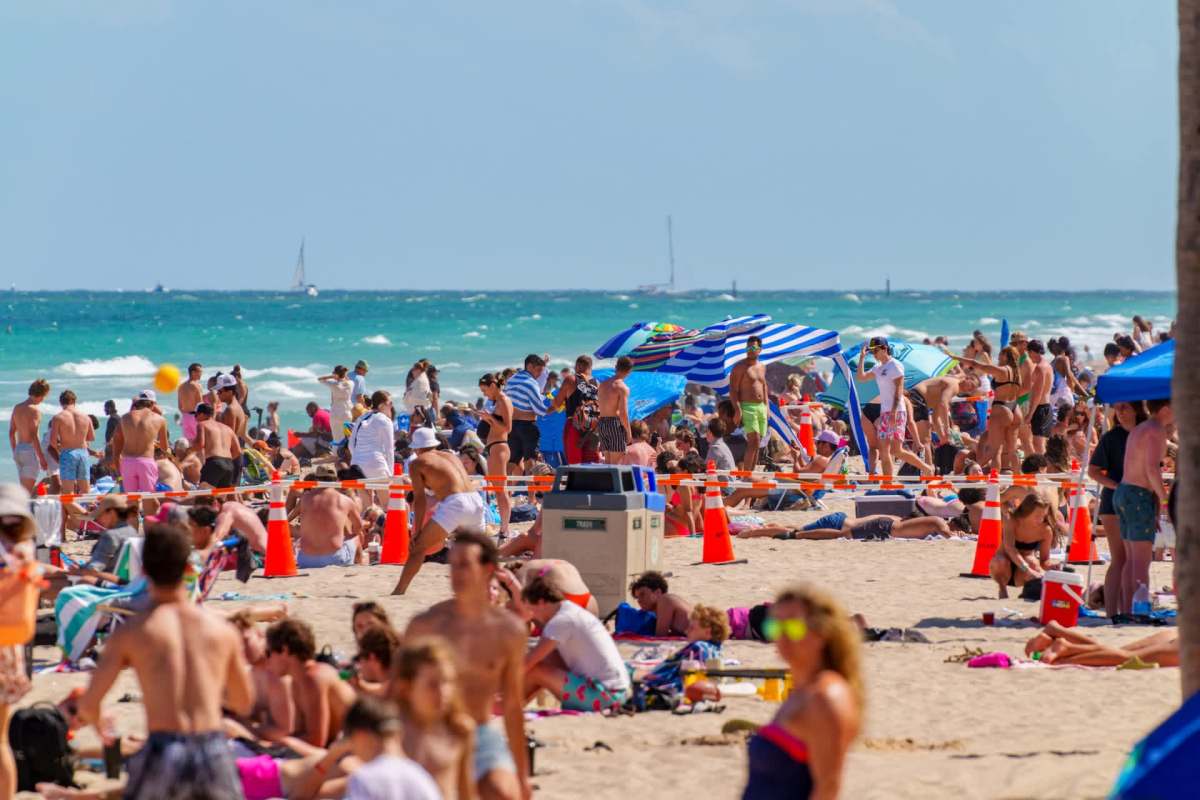
Millions celebrating the Fourth of July will face a heat dome settling over much of the eastern United States, according to CNN. Some locations may experience heat index values above 110 degrees Fahrenheit.
In Washington, D.C., New York City, and other major metros, this stretch may rival the most intense heat seen in more than a decade.
What's happening?
A persistent high-pressure system is driving a long spell of dangerous heat across the Midwest, South, Mid-Atlantic, and Northeast, putting roughly half of Americans at risk, according to CNN.
Forecasters have placed more than 180 million people in either a Level 3 "major" or Level 4 "extreme" heat risk. Humidity will likely make the conditions even harsher.
Through the weekend, some areas could see repeated days in the mid-90s to low 100s.
In urban areas, pavement and buildings trap heat, keeping nighttime temperatures close to 80 F.
TCD Picks » Quince Spotlight
💡These best-sellers from Quince deliver affordable, sustainable luxury for all




CNN reported that record highs may be threatened in Charlotte, North Carolina; Cleveland; Pittsburgh; New York City; Baltimore; Washington, D.C.; and Richmond, Virginia. New York City, in particular, could post consecutive 100 F days for the first time since 2011.
Why does it matter?
By yearly averages, heat kills more people in the U.S. than tornadoes, hurricanes, and lightning combined. The National Weather Service said emergency room visits for heat-related illness often increase on "major" and "extreme" heat-risk days.
That danger is arriving on one of the year's biggest outdoor holiday weekends. Millions of people headed to parades, cookouts, sporting events, and fireworks may be outside during the afternoon or early evening, when dehydration and heat exhaustion can worsen quickly.
Extreme heat can strain public health systems, threaten outdoor workers, and raise energy demand and utility costs.
Without reliable air conditioning, safe housing, or flexible work arrangements, prolonged heat can quickly become a safety and economic stability issue.
Researchers have repeatedly connected intensifying heat waves to human-caused warming driven by fossil fuel pollution, and recent record-breaking heat in Europe and the western U.S. highlights how widespread the pattern has become.
What's being done?
Cities are taking steps to protect residents and visitors as the heat builds.
In Washington, D.C., where large crowds are expected for the nation's 250th Independence Day events, officials said secure areas will have hydration, first-aid tents, response teams, and extra ambulances, CNN reported.
D.C. Fire and EMS Chief John Donnelly said the city is also expanding support beyond the major event zones. In New York City, Mayor Zohran Mamdani has rolled out heat awareness measures using more than 2,000 LinkNYC kiosks to direct people to cooling centers within a 10-minute walk.
Crews in Nashville, Tennessee, have begun "Heat Patrols" to check on vulnerable people and distribute cold water and other resources, according to the city's Office of Emergency Management.
Recommended steps include drinking water often, limiting time outside during peak afternoon heat, taking breaks in air-conditioned spaces, and checking on older adults, children, neighbors, and pets.

Get TCD's free newsletters for easy tips, smart advice, and a chance to earn $5,000 toward home upgrades. To see more stories like this one, change your Google preferences here.






