


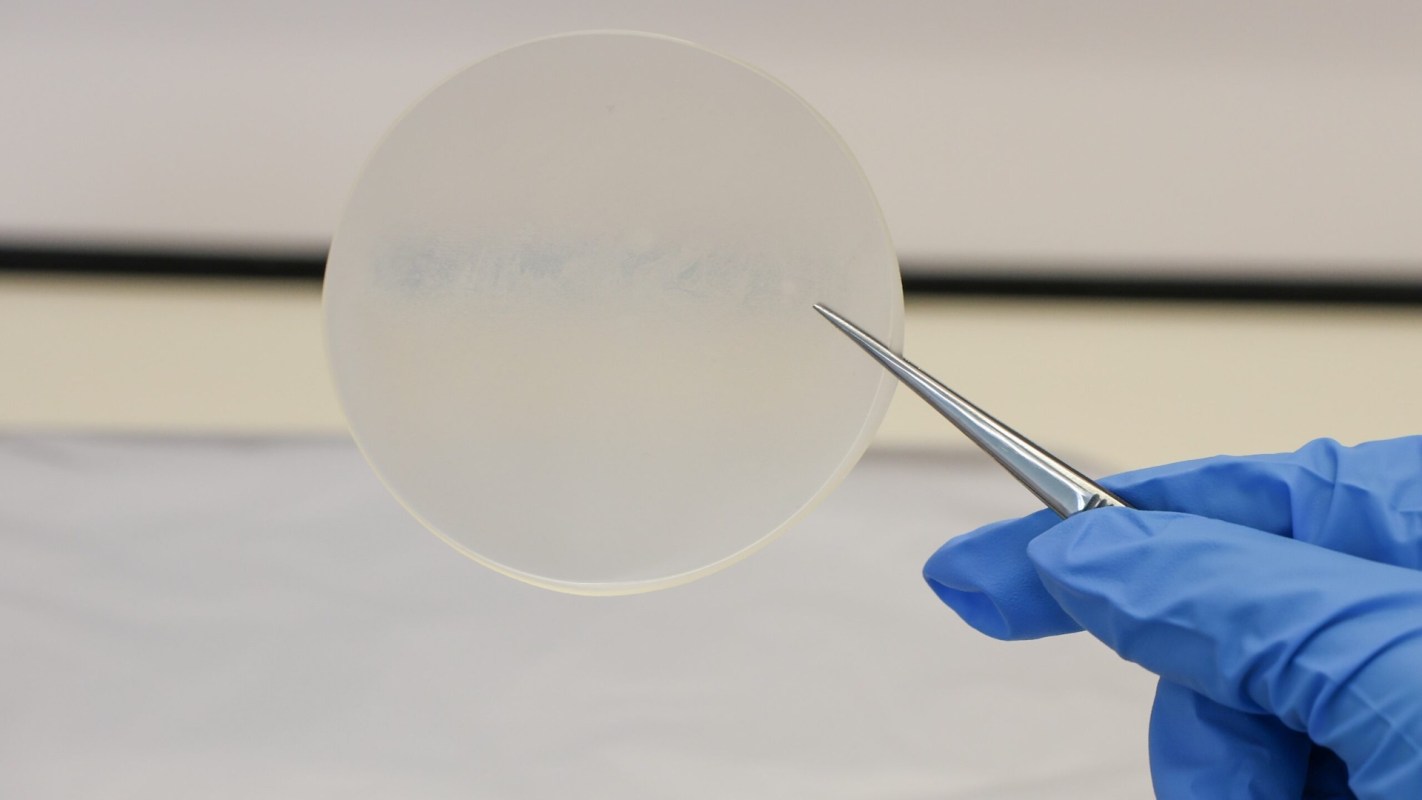
Experts from Australia's Flinders University are working on a dairy-based food packaging film that could udderly replace common, problematic plastics.
It's part of what the team called a "race" to create safe biodegradable materials.
"Most of our single-use plastic comes from food packaging, so these sorts of options should be explored further and join the circular economy revolution to conserve resources," Professor Alis Pataquiva-Mateus, of the University of Bogota Jorge Tadeo Lozano, said in a news release. The Colombian college was involved with the research.
A huge amount of plastic waste is produced each year. The United Nations estimated that up to 25 million tons of it enter our rivers, lakes, and seas.
The trash takes centuries to break down, turning into harmful microplastics that are leaching into our bodies and are linked to organ damage, according to medical experts.
Plastics also contain "thousands" of chemicals used for dyes and flame retardants that lead to more health risks, the university added.
For its part, Flinders' milk-based plastic film safely degrades in soil in 13 weeks. The film evolved from research into milk-based nanofibers.
It's made by combining milk's main protein, calcium caseinate, with modified starch and bentonite nanoclay. The mixture can be turned into a thin film, and adding glycerol and polyvinyl alcohol makes it stronger and more flexible.
"The entire formulation was designed to use inexpensive ingredients that are biodegradable and environmentally friendly to create a sustainable alternative with enhanced characteristics," University of Bogota researcher Nikolay Estiven Gomez Mesa said.
If solutions aren't developed soon, Flinders' team said the repercussions could be disastrous.
TCD Picks » Quince Spotlight
💡These best-sellers from Quince deliver affordable, sustainable luxury for all




|
Do you think America has a plastic waste problem? Click your choice to see results and speak your mind. |
 Definitely 👍
 The release referenced a dire estimate from the Organization for Economic Co-operation and Development that plastic production will increase 70% between 2020 and 2040 to more than 800 million tons annually. Only about 9% is currently recycled.
Biodegradable plastic is being researched elsewhere, as well. A project in the United States has Minnesota farmers working with Scotland's CelluComp to make beet-based packaging.
Pataquiva-Mateus said anyone can be part of the solution by limiting plastic use. Ditching single-use coffee pods and brewing your own java provides a better morning drink, saves money, and helps to limit an increasing wastestream of about 40 million pods daily, according to Recycling Today.
"Finding biodegradable polymer alternatives is an important part of science helping to find solutions for industry, consumers, and the environment," she said.
The product passed early antibacterial testing with "permissible levels" of microbes, but the team recommended more evaluations going forward.

Get TCD's free newsletters for easy tips to save more, waste less, and make smarter choices — and earn up to $5,000 toward clean upgrades in TCD's exclusive Rewards Club.
Cool Picks





