


A study involving researchers from the University of Virginia found that the need for and trade of construction materials is responsible for approximately one-third of carbon pollution across the globe.
However, a study from North Carolina State may have discovered a way to reduce and offset this pollution by adopting a material known as cross-laminated timber to use in place of cement and other common construction materials.
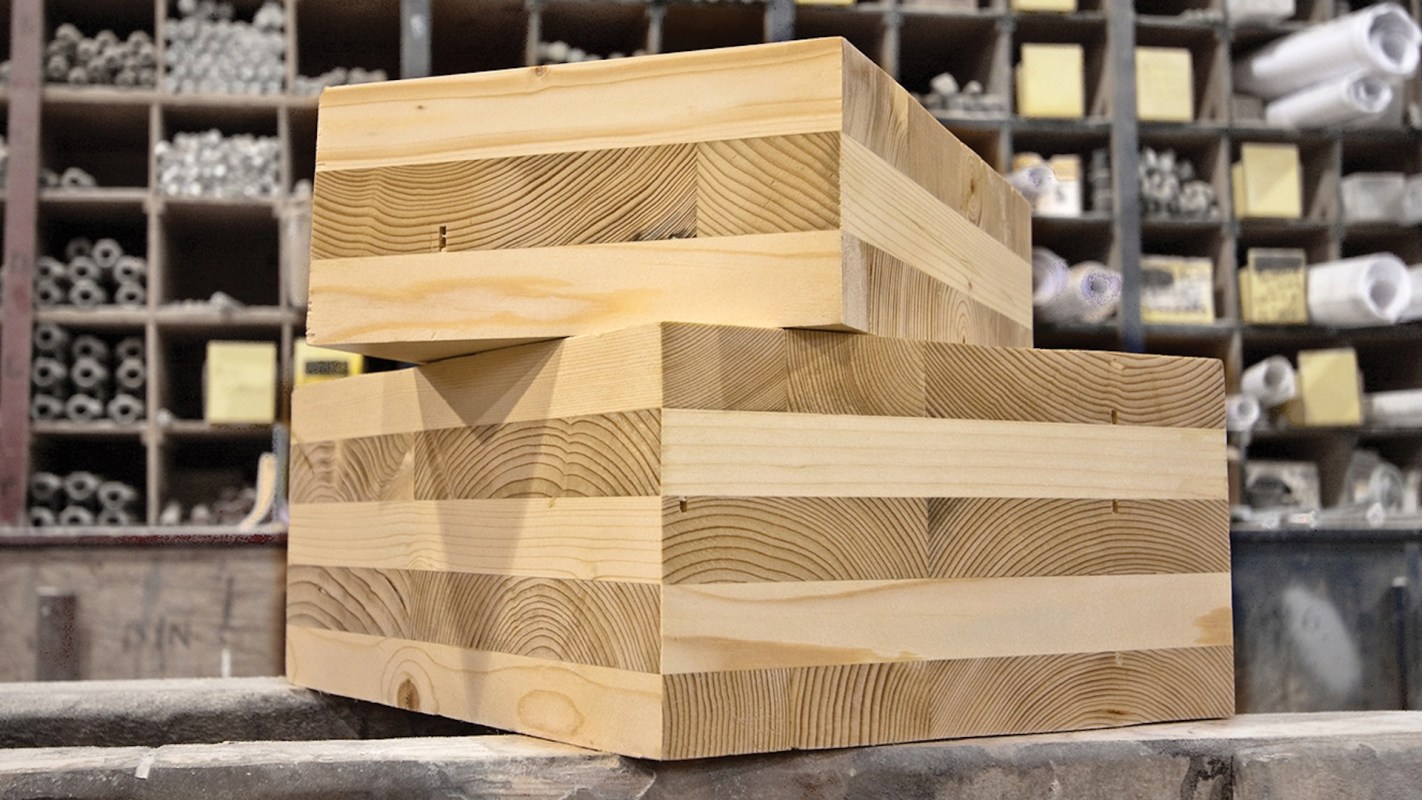
Cross-laminated timber is made by creating and adhering multiple layers of timber together. The result is wooden panels that are both strong and light and can be up to 60 feet long, making them just the right size to form walls.
Best of all, these cross-laminated timber panels are fire-resistant. When they meet fire, the outer layer of the panel chars, sealing away the rest of the wood, which keeps it from igniting. That could make cross-laminated timber the perfect material for building homes in wildfire-prone areas.
Despite its promising aspects, though, researchers hadn't looked at what the long-term effects of adopting the material broadly might be — until now.
To determine the long-term effects, the research team combined a tool known as a life cycle assessment with the Global Timber Model. With these, it was able to predict both the environmental and economic impacts of broadly adopting cross-laminated timber for use in construction around the world.
The single potential downside of an increased demand for cross-laminated timber is that pulpwood prices and sawtimber prices could rise by 25.9% and 26.3%, respectively, by 2100.
One of the most significant things researchers discovered, though, was that an increased use of cross-laminated timber would also increase global forest cover. Using more of this material would necessitate a need for more managed forests to acquire raw timber while helping protect natural forests, which could lead to around 30 million hectares of forest area globally by 2100.
Additionally, more forest cover would result in a significant reduction in carbon pollution, as forests and cross-laminated timber store carbon, preventing it from reaching the atmosphere.
Adding the carbon storage to the decrease in carbon emissions caused by the reduced use of typical construction materials, such as concrete, could result in a substantial reduction in emissions overall.
TCD Picks » Quince Spotlight
💡These best-sellers from Quince deliver affordable, sustainable luxury for all




|
Do you think your city has good air quality? Click your choice to see results and speak your mind. |
 Definitely 🥰
 With the widespread adoption of cross-laminated timber, communities in wildfire-prone areas may not have to lose everything the next time a fire exacerbated by our warming climate hits, which would save these communities and homeowners a significant amount of money.
Plus, building residences and other structures with this material would make communities healthier since it creates much less air pollution than traditional construction materials.
As Kai Lan, the lead author of the study, said: "When we increase usage of CLT, we decrease demand for those traditional construction materials. When you use less traditional materials, you emit less greenhouse gases while creating those materials. All of these effects combine over the entire lifecycle of the CLT to create the environmental benefits."

Join our free newsletter for weekly updates on the latest innovations improving our lives and shaping our future, and don't miss this cool list of easy ways to help yourself while helping the planet.
Cool Picks





