


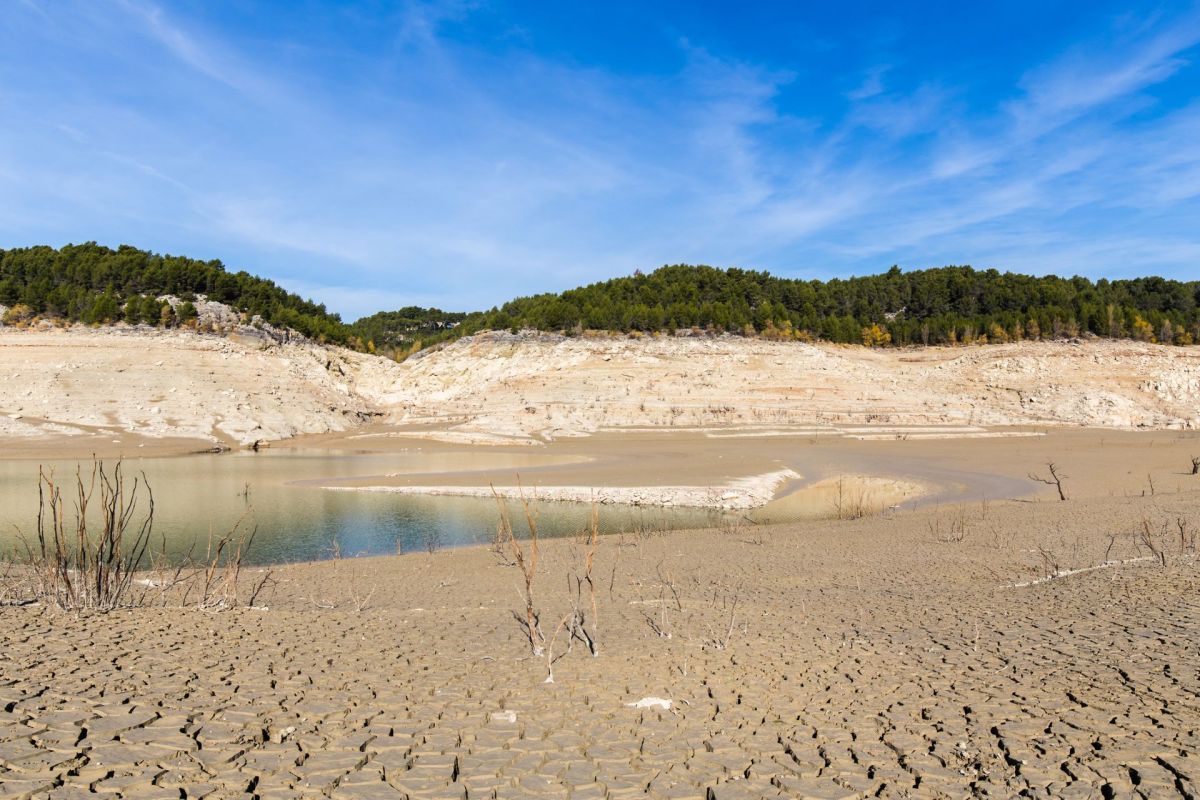
Residents in and around Corpus Christi, Texas, are watching reservoir levels fall toward crisis territory as the city at the center of the nation's largest oil export hub struggles to secure enough water for homes, businesses, and heavy industry.
As Fortune detailed, Corpus Christi and the broader Coastal Bend are in the grip of a prolonged water shortage driven by years of drought and rising demand. Since August 2024, the city's roughly 318,000 residents have faced rules barring lawn watering and restricting things like washing cars, boats, and gardens.
If conditions don't improve, households could be required to cap monthly water use at 6,000 gallons by December 2026, which is about two-thirds of the average U.S. household's water use.
Corpus Christi supplies about 65% of the region's water, serving more than 500,000 people and major industrial customers. Much of that water comes from two Nueces Basin reservoirs — Choke Canyon Reservoir and Lake Corpus Christi — that have been battered by drought since late 2021. Those reservoirs are currently at 8% of their combined capacity.
Meanwhile, the industrial demand has climbed. The Port of Corpus Christi saw its trade value more than double between 2013 and 2023 and became the nation's leading crude oil export hub, even as the new water supplies the city expected by 2023 did not arrive.
Drought and industrial expansion are colliding. Residential water use has trended downward in recent years, while industrial use has increased, adding pressure on a system that has not brought a new water source online since 2016. The oil and gas industry is at the center of that tension. Oil and petrochemical growth can drive up local water demand.
TCD Picks » Quince Spotlight
💡These best-sellers from Quince deliver affordable, sustainable luxury for all




City officials are now pursuing a mix of stopgap measures and other options. Groundwater wells along the Nueces River are already contributing about 12 million gallons a day to back up surface water supplies.
Corpus Christi is also seeking permits to tap the Evangeline aquifer for up to 24 million gallons per day, potentially beginning as early as November 2026. But nearby communities say the pumping could deplete their groundwater and are attempting to stop the project.
Another major effort involves reusing treated wastewater. Instead of discharging it into local waterways, the city plans to send reclaimed water to industrial users for cooling and irrigation.
Desalination remains on the table as well. While the city scrapped a $1.2 billion desalination project in 2025, it is weighing purchases from a nearly completed private plant that could provide about 8 million gallons per day.
Unfortunately, without significant rainfall, the region's options will remain limited in the near future.

Get TCD's free newsletters for easy tips, smart advice, and a chance to earn $5,000 toward home upgrades. To see more stories like this one, change your Google preferences here.






