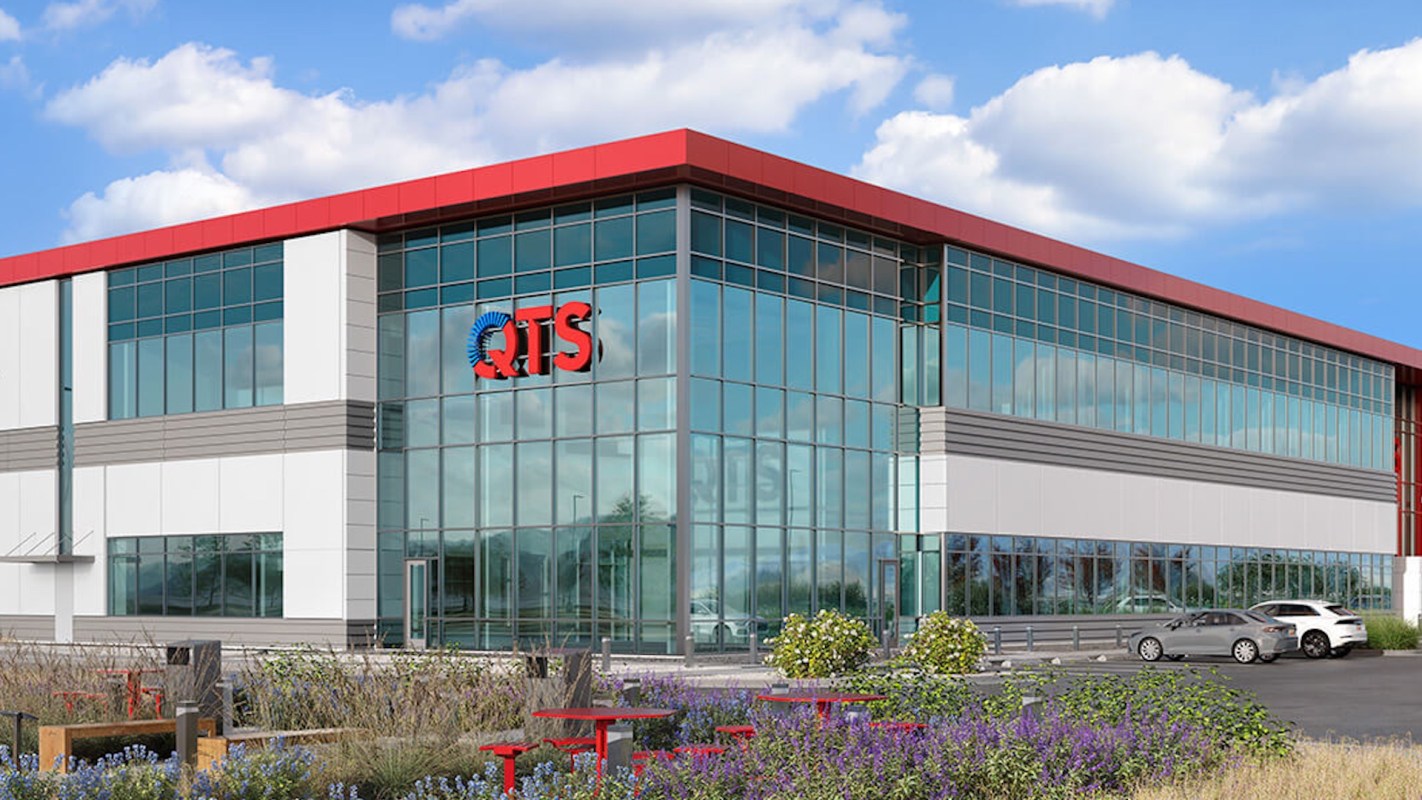
At Aurora's outskirts, Colorado's largest data center may be headed for another major buildout. The proposal for the QTS campus south of Denver International Airport would add nearly 100 diesel backup generators, renewing concerns about air quality in a region already struggling with ozone pollution.
What's happening?
According to CPR News, the latest expansion plan would increase the QTS Aurora campus's diesel backup fleet to 138 generators.
QTS already has 40 generators at the site and, in a permit filing submitted in July 2025, sought approval for 98 more. Once complete, the 65-acre campus would require at least 160 megawatts of power, making it Colorado's only "hyperscale" data center exceeding 100 megawatts.
Critics say backup generators can still pose health risks even if they operate only during testing or emergencies.
Alana Miller, Colorado policy director for the Natural Resources Defense Council, said, "The QTS Aurora expansion is a perfect example of why Colorado needs strong statewide data center guardrails."
Miller added: "Aurora is already in severe ozone nonattainment, and left unchecked, new diesel generators could make the problem worse."
TCD Picks » Good Store Spotlight
Get 10% off your next purchase with code TCD10




QTS spokesperson Karen Cohen said the company is working to reduce local impacts and noted, "Our backup generators are used only for limited testing, maintenance, and emergency events, similar to hospital backup generators."
Why does it matter?
Diesel exhaust contains pollutants, including particulate matter and nitrogen oxides, both of which contribute to summertime ozone formation.
Even limited use of backup units has raised alarms elsewhere: a Washington Post analysis of data centers in northern Virginia found their generators created a significant health risk. CPR News also reported that a UC Riverside-Caltech study projected air pollution from data centers could be linked to as many as 1,300 premature deaths annually by 2030, though the research is still being peer-reviewed.
Large data centers increasingly support artificial intelligence tools and cloud computing, and while AI can offer real benefits — including helping utilities balance demand and improve clean energy systems — the infrastructure behind it can also require massive amounts of electricity and water, strain the grid, raise costs for communities, and add risks tied to pollution and unintended social impacts.
TCD Picks » Quince Spotlight
💡These best-sellers from Quince deliver affordable, sustainable luxury for all




In Aurora, unresolved questions remain about why the full generator fleet may be able to generate about 345 megawatts — more than double the campus's stated electricity demand.
What's being done?
QTS said it plans to equip the new generators with selective catalytic reduction systems; the devices work somewhat like catalytic converters in cars to cut diesel pollution.
The company also said sound walls are part of its strategy to reduce noise.
Water use has become another point of comparison in Colorado's growing data center boom. According to Shonnie Cline, deputy director of Aurora Water, the QTS facility uses roughly 2,400 gallons of water a day and, as CPR News reported, depends on closed-loop cooling rather than evaporative cooling.
State regulators in the Air Pollution Control Division are reviewing the permit request, and a 30-day public comment period is expected to open in the coming weeks.
Aurora City Councilperson Amy Wiles has already hosted a town hall, saying, "All in all, I think it was a good meeting. Obviously not the end of conversations. People raised some valid concerns."
"We will make sure people have the chance to share their thoughts whenever possible," said Air Pollution Control Division director Michael Ogletree.

Get TCD's free newsletters for easy tips, smart advice, and a chance to earn $5,000 toward home upgrades. To see more stories like this one, change your Google preferences here.