


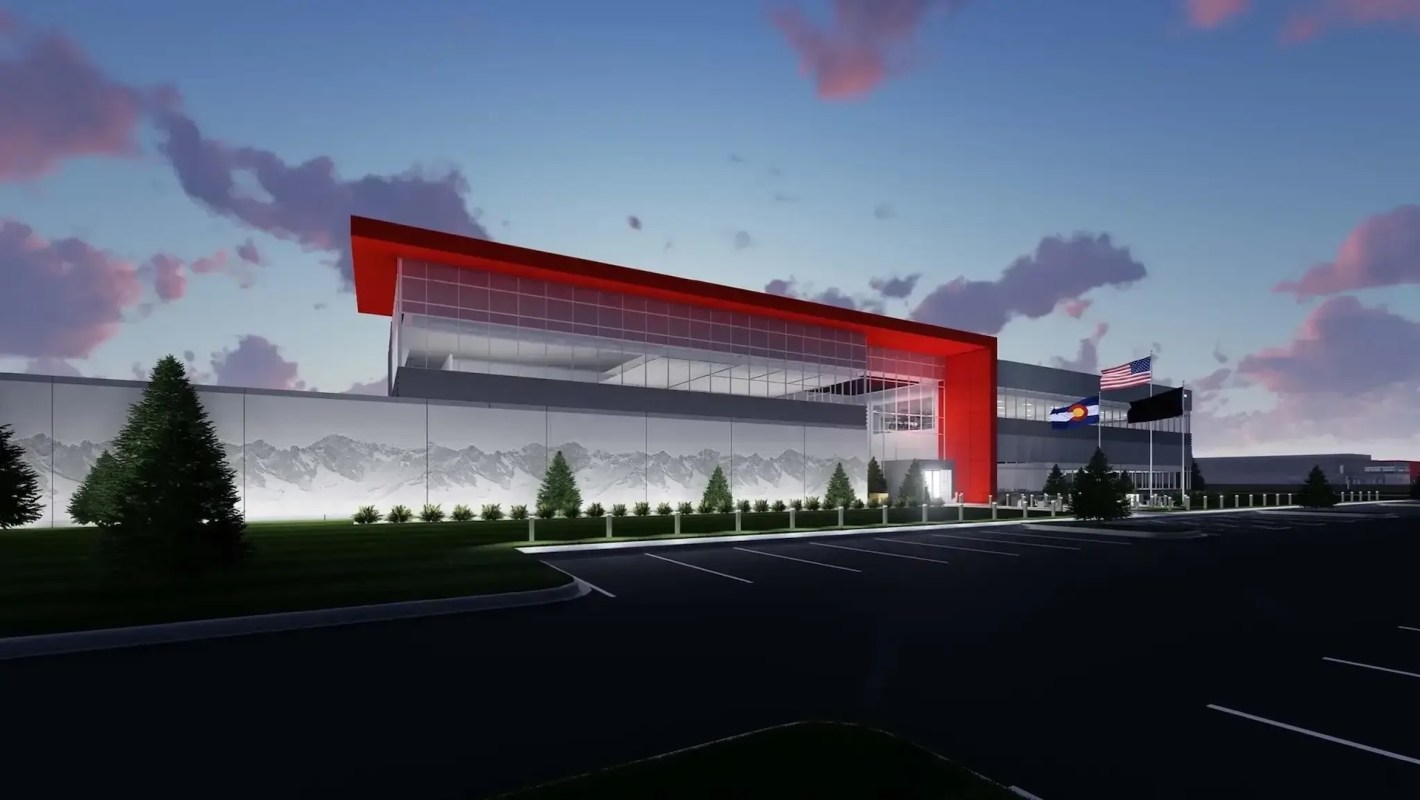
Aurora, Colorado, could soon serve as a more visible example in the national fight over data centers, with residents and city leaders questioning whether existing local rules can handle a surge of artificial intelligence-related development.
For many residents, the debate is no longer just about large server-filled buildings, as Axios reported.
What's happening?
After a recent listening session that drew about 80 residents and officials, Aurora City Councilmember Amy Wiles is reportedly considering whether the city needs additional data center regulations.
Wiles told Axios she expects the discussion to move toward possible rule changes by the end of the summer.
CBRE Data Center Solutions relayed to Axios that available land and access to power have helped attract attention, putting the city into a broader Colorado conversation about how communities should manage the infrastructure that supports cloud services, business computing, and AI.
Resident Paige Dayton, who is 20, raised concerns about AI's societal effects with the outlet.
TCD Picks » Quince Spotlight
💡These best-sellers from Quince deliver affordable, sustainable luxury for all




"People my age are out of work, or they're wondering how to break into industries where AI is taking over," Dayton told Axios.
Environmental impacts were another major focus for residents at the meeting, the outlet reported. Aurora Water general manager Marshall Brown said the city's nine data centers account for 0.3% of Aurora's water supply.
According to Axios, city manager Jason Batchelor said the city already limits where data centers can go, and Brown said existing standards effectively block facilities that would rely heavily on evaporative cooling.
Why does it matter?
Because they concentrate vast computing capacity in one location, data centers draw large amounts of electricity, add stress to local grids, use water for cooling, and create industrial noise concerns.
Other Colorado governments have already put projects on hold, Axios noted. Denver has imposed a one-year moratorium on data centers, and Jefferson County approved a 10-month pause.
Every chatbot response, cloud backup, streaming service, and automated business tool depends on servers operating around the clock. While AI can offer major benefits, such as helping utilities forecast demand, integrate renewable energy, and optimize cleaner power systems, it also brings real trade-offs.
Those include higher electricity use, potential increases in utility bills, water-intensive cooling needs, cybersecurity risks, misuse, and broader concerns about job disruption and social harm, as Dayton referenced.
What's being done?
Axios reports Wiles has begun researching what "best practices" could look like, including rules adopted in other cities. As part of that process, she recently toured QTS' 65-acre campus in her district and has pointed to Aurora, Illinois, as one example of a city that adopted stricter standards.
"All of the things that are stored in the cloud — YouTube, TikTok, Facebook … that are out on the internet, they have to be stored in a data center somewhere," Wiles told residents last week, according to Axios.
For now, city officials say some safeguards already exist. Many residents want clearer answers before development accelerates.
"If these [data centers] weren't being built, then AI couldn't expand," Dayton suggested to Axios.

Get TCD's free newsletters for easy tips, smart advice, and a chance to earn $5,000 toward home upgrades. To see more stories like this one, change your Google preferences here.






