


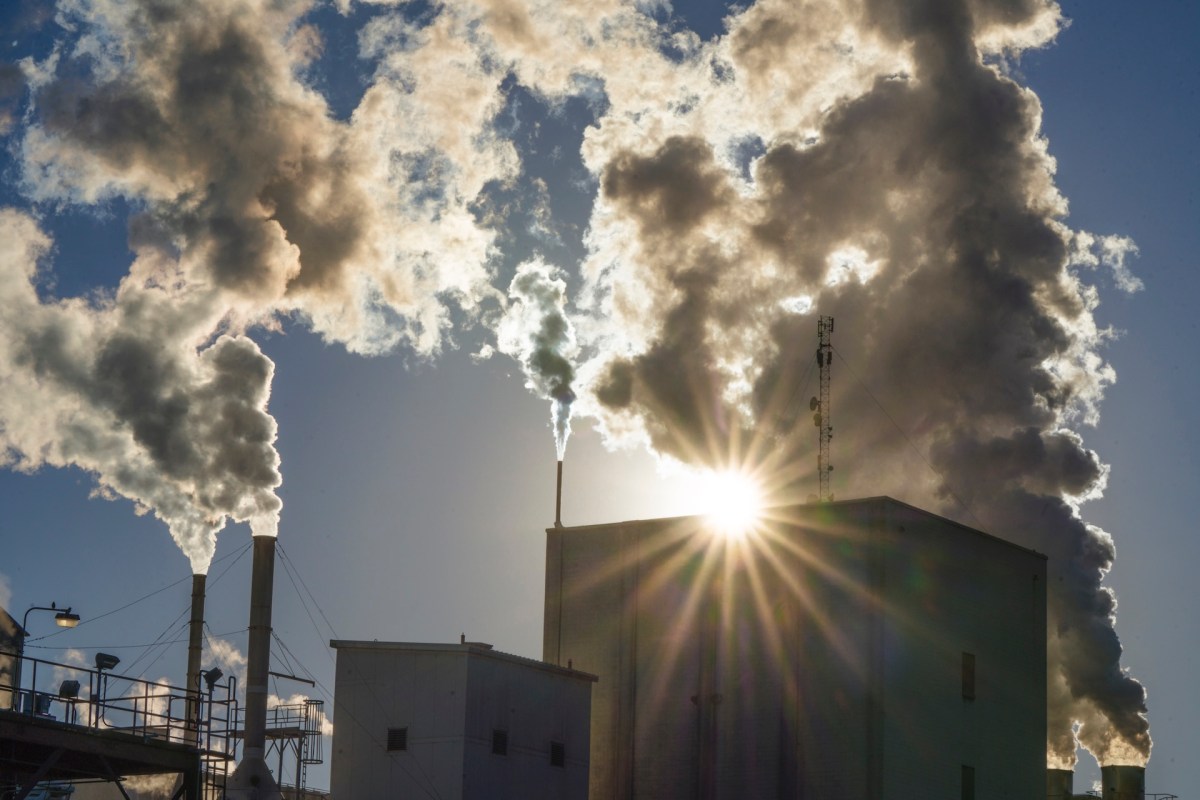
A plume of dark smoke above an Ashburn, Virginia, data center during an intense heat wave reflected a growing energy conflict: as electricity use climbs, parts of the digital economy are still leaning on diesel backup generators.
What's happening?
Photos and a video reviewed by Business Insider showed dark smoke above the ACC9 data center in Ashburn on July 3, when the temperature reached 102 degrees. The outlet reported a Digital Realty facility activated diesel generators over the July 4 weekend as the regional grid faced strain.
Digital Realty said the generator use was connected to a demand-response program operated by PJM Interconnection, which manages the grid across much of the mid-Atlantic and nearby areas. In those programs, large power users are paid to cut how much electricity they take from the grid during periods of peak demand.
PJM said demand response helped keep electricity use under control during that stretch of extreme heat. PJM's own reporting found that the grid operator later said about 3.25 gigawatts of generation resources were operating outside normal limits, and demand response helped prevent more serious emergency measures.
Data centers account for only about 5% of participants in PJM's demand-response programs, but their footprint is growing quickly. Business Insider reported permits were issued for 176 new data centers in 2025 alone.
Why does it matter?
People living near these facilities have raised concerns about diesel exhaust, noise, and the increasingly industrial character of their communities. Those worries can become more acute on hazardous heat days, when air quality and health risks may already be elevated.
TCD Picks » Quince Spotlight
💡These best-sellers from Quince deliver affordable, sustainable luxury for all




Northern Virginia activist Elena Schlossberg told Business Insider, "We're talking about normalizing running our grid and protecting it with 18th-century electricity. That is what diesel fuel is."
The financial effects cut in different directions. Loudoun County brought in $875 million from data centers during the 2024 fiscal year, helping reduce the tax burden on households, but Leesburg resident Bobby Chahal said his household's electricity costs increased this year even though he isn't using more power.
Chahal said the data-center buildout "makes Ashburn look kinda industrial, kinda run-down."
Many new data centers are being built to support cloud computing and AI tools, which can help improve forecasting and optimize clean energy systems. However, those same systems can consume enormous amounts of electricity and water, contribute to higher utility costs, and introduce security or misuse risks if growth outpaces planning.
What's being done?
To reduce the chance of outages during extreme weather, grid operators are relying on tools such as demand response. These programs can help stabilize the grid without broader emergencies, especially as heat waves become more frequent and electricity demand grows less predictable.
Companies also face permit limits on how often backup generators can operate. Digital Realty said its permits prevent excessive generator use, though it didn't specify how many of the site's 20 diesel units were active on July 3.

Get TCD's free newsletters for easy tips, smart advice, and a chance to earn $5,000 toward home upgrades. To see more stories like this one, change your Google preferences here.






