


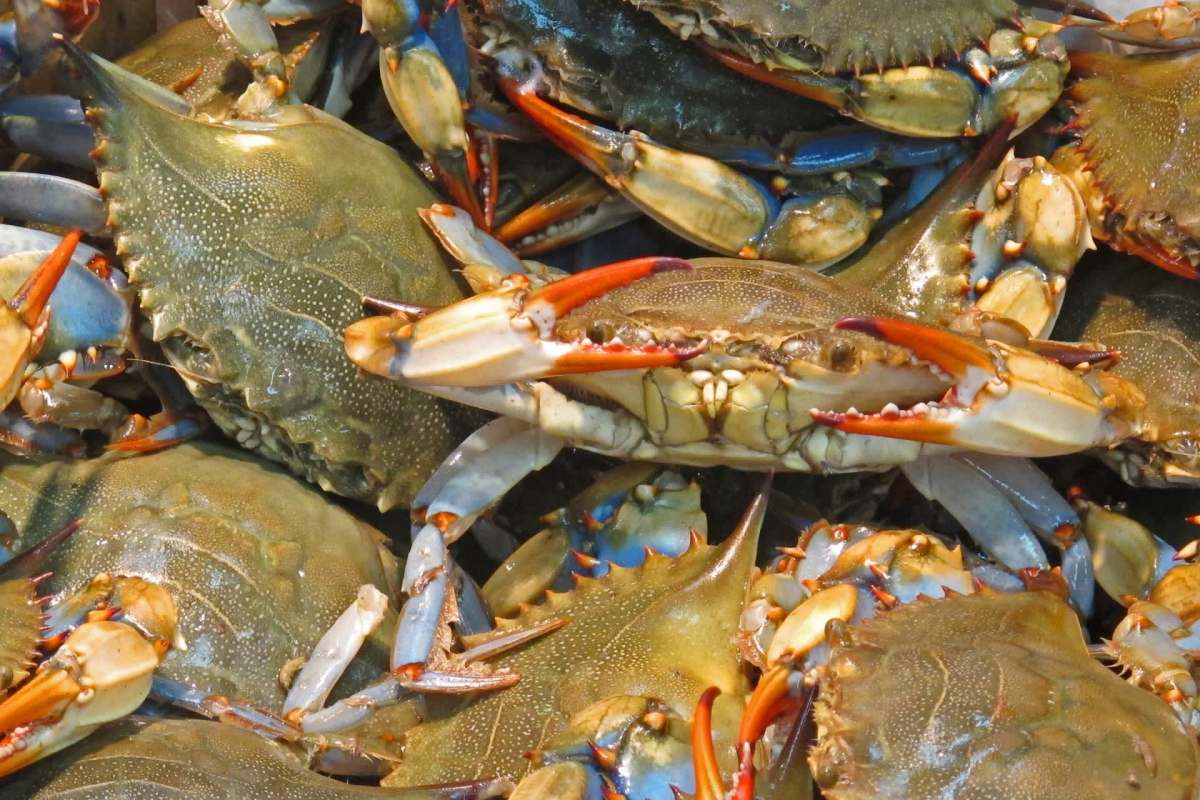
University of Maryland researchers have one shell of an idea to make a more sustainable battery.
The Terrapins are using chitin, the chemical that makes crustacean casings hard, to form a biodegradable electrolyte, according to an Instagram post from the World Economic Forum. By using it in a battery, the experts may have created a circularly produced power pack for electric vehicles and other tech.
"Now we can 'eat ze water bugs' and use their skeletal remains for energy!" one charismatic viewer commented.
And, they aren't far off the mark. Research from the Chemical Engineering Journal, published in ScienceDirect, reported that up to 8.8 million tons of shrimp, lobster, and crab shell waste are made each year. Much of it comes from the restaurant industry.
The Maryland team can turn recycled chitin from those shells into a degradable electrolyte, one of the key components of a battery. Adding zinc enables chemistry that astoundingly maintains 99.7% of its capacity after 400 charge/discharge cycles, according to the post.
If successfully scaled, the innovation could limit invasive mining for lithium and other hard-to-gather and costly materials in common packs.
For its part, chitin is abundant. The University of Connecticut reported that 100 billion tons of the biological polymer are naturally made each year. Researchers elsewhere are experimenting with it as the base for plastic-free products.
The Instagram post shows phones, drones, and EVs as everyday products that could be powered by the shell-based packs.
What's more, the battery can be broken down by microbes in less than half a year, compared to the hundreds of years it can take common lithium-ion components to degrade, per the World Economic Forum. And, zinc from the shell packs can be reclaimed and used again for the same purpose.
Some commenters took issue with harvesting crustaceans as part of the process.
TCD Picks » Quince Spotlight
💡These best-sellers from Quince deliver affordable, sustainable luxury for all




|
Would you buy an EV if it only took you five minutes to charge? Click your choice to see results and speak your mind. |
 Sign me up 👍
 "How is [it] sustainable to kill millions of crabs [for] batteries? This is insane!" a viewer wrote.
But the World Wildlife Fund reported that three billion people rely on seafood as a protein, so shell waste is likely inevitable. Putting it to use keeps it from contributing to methane-producing landfill trash that adds to our planet's warming. Most of the world's excess heat is trapped in the ocean, harming sea life, according to the National Oceanic & Atmospheric Administration. So, the impact of cleaner batteries could benefit future shellfish if scaled.
One of the best ways to help limit heat-trapping air pollution is to add home solar to your electricity plan. Solar panels with a battery backup can help you reduce or eliminate your electricity costs while ensuring your lights stay on during outages.
The Cool Down's Solar Explorer can match you with trusted partners that will compare quotes, find an installer, and help you secure tax breaks that expire on Dec. 31, saving up to $10,000 in upfront costs.
If the Maryland research progresses, future batteries that store the sun-based electricity could be made with yesterday's meal scraps.
"Some much needed good news!" a viewer commented on the post.

💰Get TCD's free newsletters for easy tips to save more, waste less, and make smarter choices — and earn up to $5,000 toward clean upgrades in TCD's exclusive Rewards Club.
Cool Picks





