


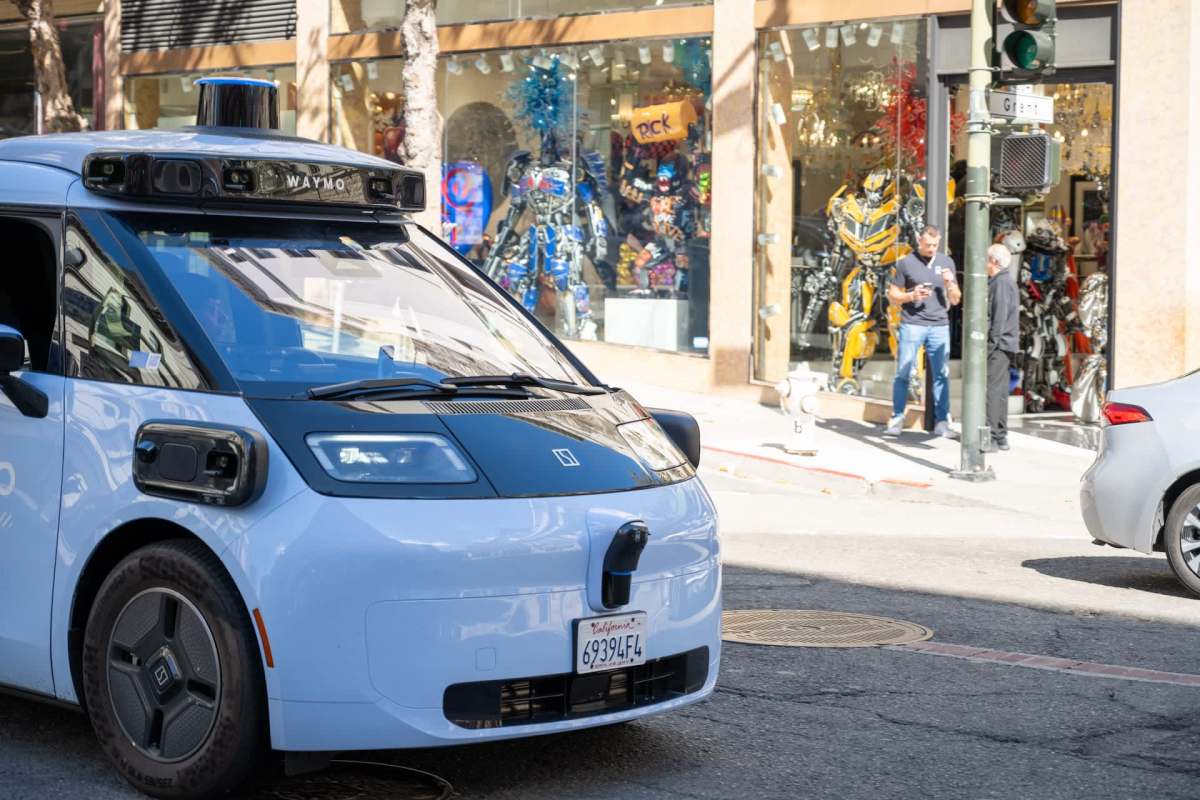
Chinese electric vehicles are becoming a global force, but American drivers are still largely locked out of buying them.
Even so, those same vehicles are making their way onto U.S. streets through the expanding robotaxi fleet of Waymo, Alphabet's self-driving car company — a sign of how trade policy can block everyday consumers from cleaner, lower-cost transportation while still leaving room for large companies.
What's happening?
U.S. tariffs on Chinese-built EVs add up to 127.5%, which is one reason regular American buyers have been largely shut out even as Chinese companies such as BYD, Zeekr, and Xiaomi move quickly on pricing, design, and technology, according to Forbes.
Those fees also led industry observers to think Waymo might end up operating fewer than 1,000 Zeekr vans in the U.S. Yet import records show that since 2024, more than 3,200 examples of that vehicle — sold in China as the CM1e — have come through Los Angeles, including more than 2,600 in 2026 alone.
At the CM1e's Chinese sticker price of $39,000, tariffs alone could raise the cost to nearly $89,000, before adding self-driving equipment that likely tops $10,000 per vehicle. Alphabet's self-driving unit has started using the small Zeekr-built vans, which Waymo calls the Waymo Ojai, in cities including Los Angeles and San Francisco.
Why does it matter?
Advanced EVs can enter the country for corporate fleets, but not in a way that lowers fuel and maintenance costs for most families. Transportation is one of the biggest sources of planet-warming pollution, and wider EV adoption is an important tool for cutting harmful air pollution in neighborhoods near busy roads.
TCD Picks » Quince Spotlight
💡These best-sellers from Quince deliver affordable, sustainable luxury for all




Affordable EV competition can also put pressure on the broader market to improve range, software, and pricing. High tariffs raise costs that wealthy tech companies may be able to absorb, but most households cannot. Communities are left without cheaper clean-car options, even as the technology proves itself viable on U.S. roads every day.
What's being done?
Waymo is pressing forward with Zeekr vehicles as the basis of its robotaxi network, potentially giving some people in certain cities a car-free option if they would rather not drive or own a car.
If lower-cost EVs were more widely sold in the U.S., more motorists could move away from gasoline vehicles, particularly alongside home chargers, growing public charging access, and any local or federal purchase incentives that are available.
The broader issue is that government policy helps decide whether clean technology reaches whole communities or remains mostly accessible to companies that can shoulder the extra expense. Waymo said it had "more than 100" of these vans in service, according to Forbes, and the import data indicates that total could be just the start.

Get TCD's free newsletters for easy tips, smart advice, and a chance to earn $5,000 toward home upgrades. To see more stories like this one, change your Google preferences here.






