


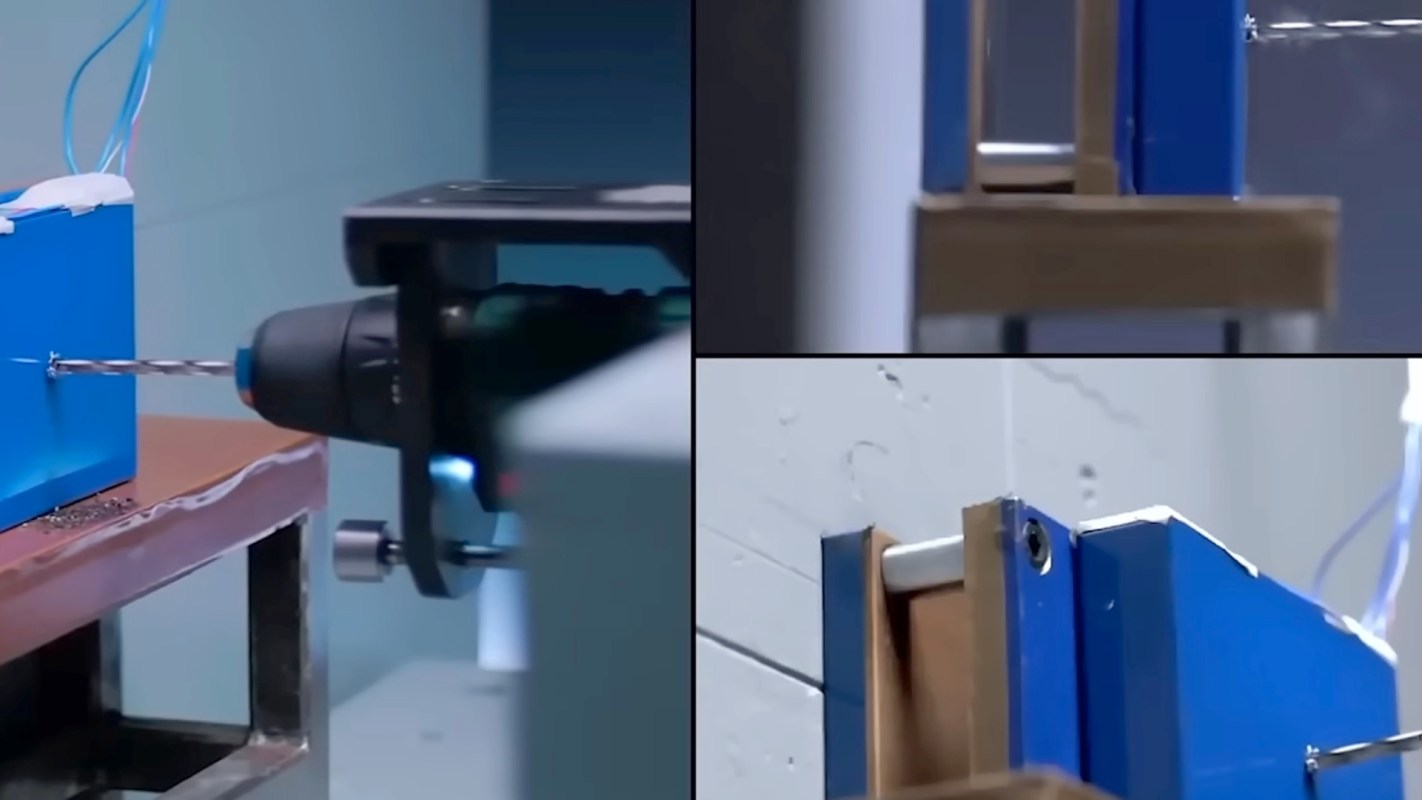
China's latest EV battery regulations may end up influencing far more than just vehicles sold domestically, as video creator The Electric Viking (@electricviking) breaks down in a new video.
The rules are aimed at reducing battery-related danger in crashes and during charging, though he notes they could also make some packs costlier to build.
What happened?
As The Electric Viking analyzes, China started enforcing new mandatory nationwide safety requirements for EV traction batteries on July 1.
At the center of the update is a stricter standard for thermal runaway, the kind of cascading failure that begins when one battery cell overheats and then transfers heat to others nearby.
"Battery packs now have to meet a no fire, no explosion requirement after thermal runaway in a single cell," The Electric Viking notes.
The prior rules were less strict, allowing a pack to catch fire or explode if occupants were given at least five minutes of warning.
TCD Picks » Quince Spotlight
💡These best-sellers from Quince deliver affordable, sustainable luxury for all




The standards also introduce testing for impacts from below and add durability requirements related to fast charging. The former is a key issue since EV battery packs usually sit under the vehicle.
They also apply at the vehicle level. As described by The Electric Viking, cars must now include a separate one-touch high-voltage cutoff capable of disconnecting the circuit within one second if crash damage takes out the main software system.
Why does it matter?
Because China is the biggest EV market in the world, rules adopted there can influence how batteries are designed, built, and priced well beyond its borders. Observers argued the same with the country's ban of hidden door handles.
If major battery suppliers begin treating these stricter requirements as the norm, drivers in other markets may eventually see safer battery systems too. That said, tighter standards may come with a price increase.
Citing China Auto News, the content creator said complying with the new requirements could raise battery system costs by roughly 15% to 20%, or about $440 to $736 per pack. That may be easier to absorb in higher-end EVs than in budget-focused models.
Manufacturers that already put money into safer battery chemistries and more sophisticated pack design may be better positioned, while smaller low-cost battery makers could face a tougher adjustment.
"This is actually a huge story that most Western media outlets aren't covering," one YouTube commenter argued. "These standards are likely to become the de facto benchmark for the global battery industry."
What's being done?
To meet the tougher rules, automakers and battery suppliers are likely to invest more in thermal separation, cooling, battery management software, and impact protection.
The shift could also strengthen the case for LFP batteries, which are often regarded as more thermally stable than some nickel-rich battery chemistries.
More demanding safety tests and better-protected battery packs could give drivers added confidence to move away from gas-powered vehicles, which carry fire risks of their own and also produce planet-warming pollution.
Safety rules may not be the most attention-grabbing part of an EV, but they can have a big effect on which vehicles perform best over the long run.
"This sounds like a good move," a commenter assessed. "Safety battery rules provide extra confidence in EVs and prevent cost cutting that undermines safety."

Get TCD's free newsletters for easy tips, smart advice, and a chance to earn $5,000 toward home upgrades. To see more stories like this one, change your Google preferences here.






