


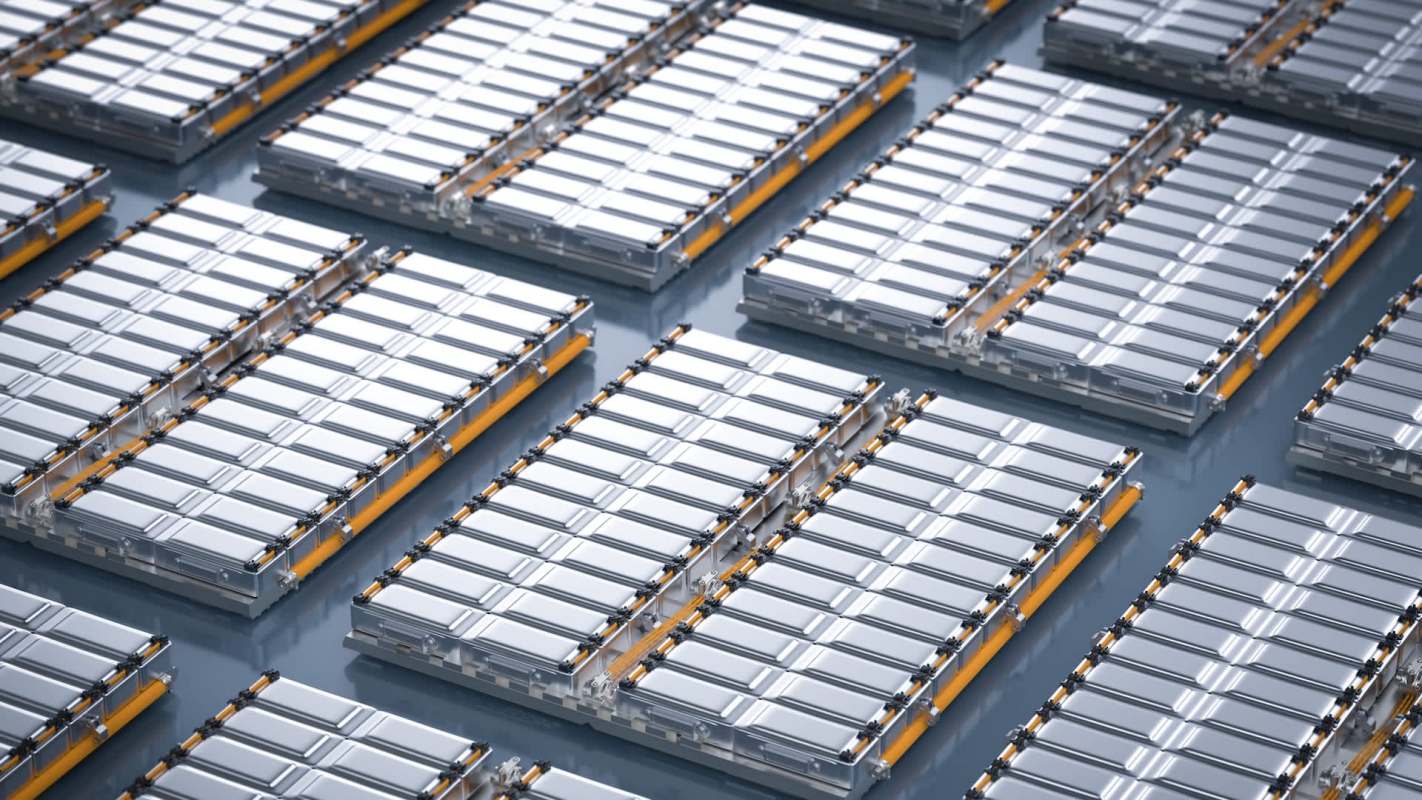
Chinese battery researchers working to combat overheating have created a literal firewall inside packs, with clear safety implications for electric vehicle owners.
Detailed in the journal Nature Energy, the team's "three-phase" innovation deals with the electrolyte in emerging sodium-ion batteries. Electrolyte is the crucial middle portion of battery cells where ions travel during charge/discharge cycles.
Sodium-ion chemistry is being developed heavily in China as a cheaper alternative to lithium-ion cells, and experts are working out performance hurdles to bring them to market. Sodium packs are beginning to be used to power certain EVs, mostly in China.
Fireproofing the tech is a big safety checkmark, though it's important to note that gas cars remain more likely to catch fire than EVs, as Kelley Blue Book noted.
"Safety is the most basic requirement for the application of rechargeable batteries in large-scale energy storage," the group of experts from the Chinese Academy of Sciences wrote in the journal.
The firewall is the result of a unique electrolyte transformation. The liquid polymer changes into a solid when the battery overheats, creating a barrier that prohibits flames from forming. It's a three-part design that "supports thermal stability, interface stability, and physical separation inside the battery," according to TechRadar.
TCD Picks » Quince Spotlight
💡These best-sellers from Quince deliver affordable, sustainable luxury for all




"That transformation creates an internal layer that blocks heat movement between battery components," the publication explained. "In other words, the battery builds its own firewall at the moment overheating starts."
During testing, the system prevented fire at an extreme 572 degrees Fahrenheit, far above the heat generated during normal operations. It was also the first time this type of sodium-ion cell stopped thermal runaway during testing, according to the experts.
"This work brings an insight of the battery safety beyond non-flammable electrolyte design and paves the way toward safer and more efficient battery systems for energy storage," they wrote in the journal.
Batteries that already power EVs are effective and safe, and switching to an EV can save motorists up to $1,500 annually on gas and service costs. That's in addition to cleaner, quieter travel.

Get TCD's free newsletters for easy tips, smart advice, and a chance to earn $5,000 toward home upgrades. To see more stories like this one, change your Google preferences here.






