


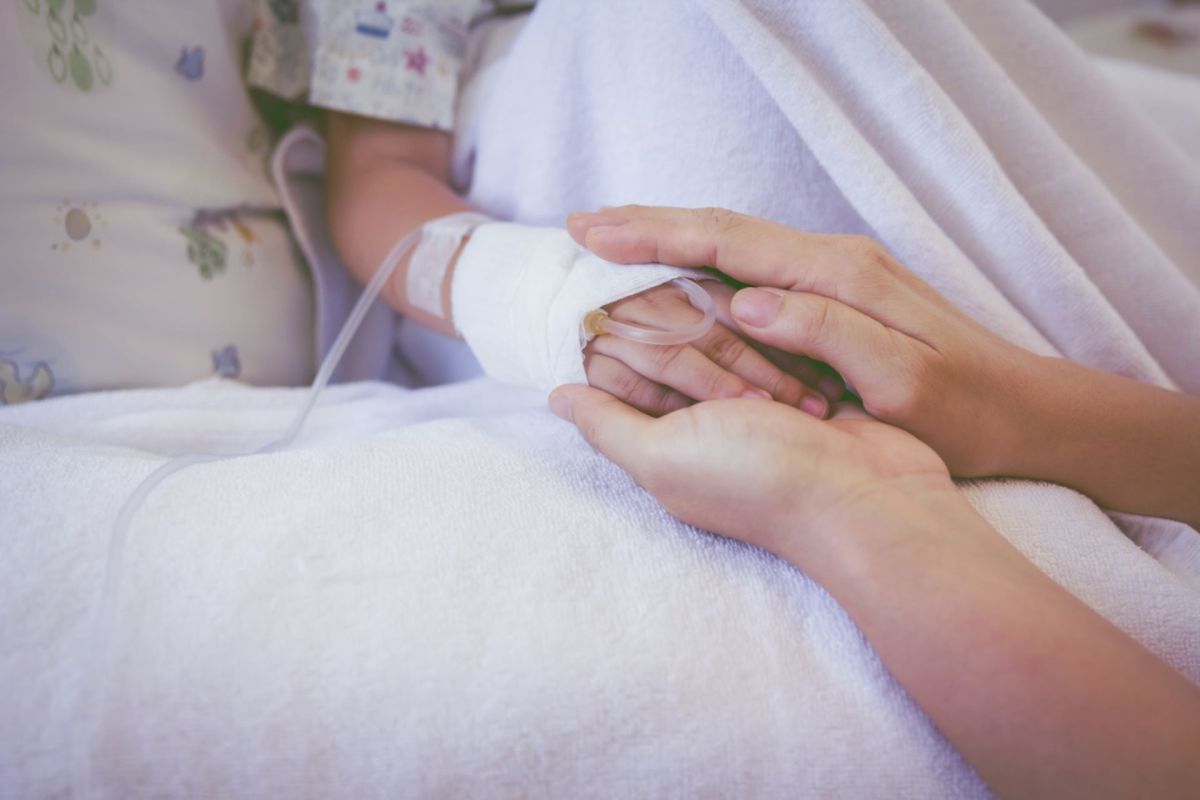
One of the most tragic and mystifying conditions a human being can experience is childhood leukemia. This potentially deadly cancer occurs at an incredibly young age before the patient has even been exposed to most of the risk factors usually associated with cancer.
However, Environmental Health News (EHN) reports that a recent large study published in the Journal of the National Cancer Institute links childhood leukemia to a frighteningly common type of chemical: PFAS.
What happened?
PFAS (perfluoroalkyl and polyfluoroalkyl substances), also known as "forever chemicals," are a class of chemicals used in as many as 88% of household products, especially those with nonstick, stain-resistant, and water-resistant treatments. They're called forever chemicals because they take an astronomically long time to break down, building up in the environment instead as more are released.
Unfortunately, PFAS have been found in water sources all over the world, including raindrops, and they have been suspected as a likely cause of cancer.
Now, researchers have claimed there is a specific connection between PFAS and childhood leukemia, EHN reveals. The team examined the blood tests of 800 pregnant mothers from 1986 to 2010 and compared them with the health outcomes of the children.
What they found was that the mothers with the highest levels of a PFAS called perfluorooctane sulfonic acid (PFOS) — those who were tested between 1986 and 1995 — had children with the highest risk of going on to develop childhood leukemia.
Why do these findings matter?
The researchers summed up the issue in their report. "Given the ubiquity of PFAS exposure and limited established childhood leukemia risk factors, these findings have important public health implications," they concluded.
In other words, because so many people experience so much exposure to PFAS, and because it's one of the few identifiable risk factors for a disease that often appears random, the public should take these findings seriously and take steps to protect future generations.
It is worth keeping in mind that researchers only found a specific childhood leukemia link with one of the PFAS tested, and only at high concentrations. This doesn't rule out any potential risk from other PFAS, however.
What can I do to limit my PFAS exposure?
Keep an eye out for products containing PFAS and choose alternatives when possible. This includes nonstick cookware, clothes and other textiles with water-resistant and stain-resistant treatments, water-resistant cosmetics, fast food packaging, and some cleaning products.
TCD Picks » Quince Spotlight
💡These best-sellers from Quince deliver affordable, sustainable luxury for all




You can also vote for policy changes to remove these chemicals from the manufacturing process. Legislation has been proposed to limit PFAS more sharply in the future.

Join our free newsletter for weekly updates on the coolest innovations improving our lives and saving our planet.
Cool Picks





