


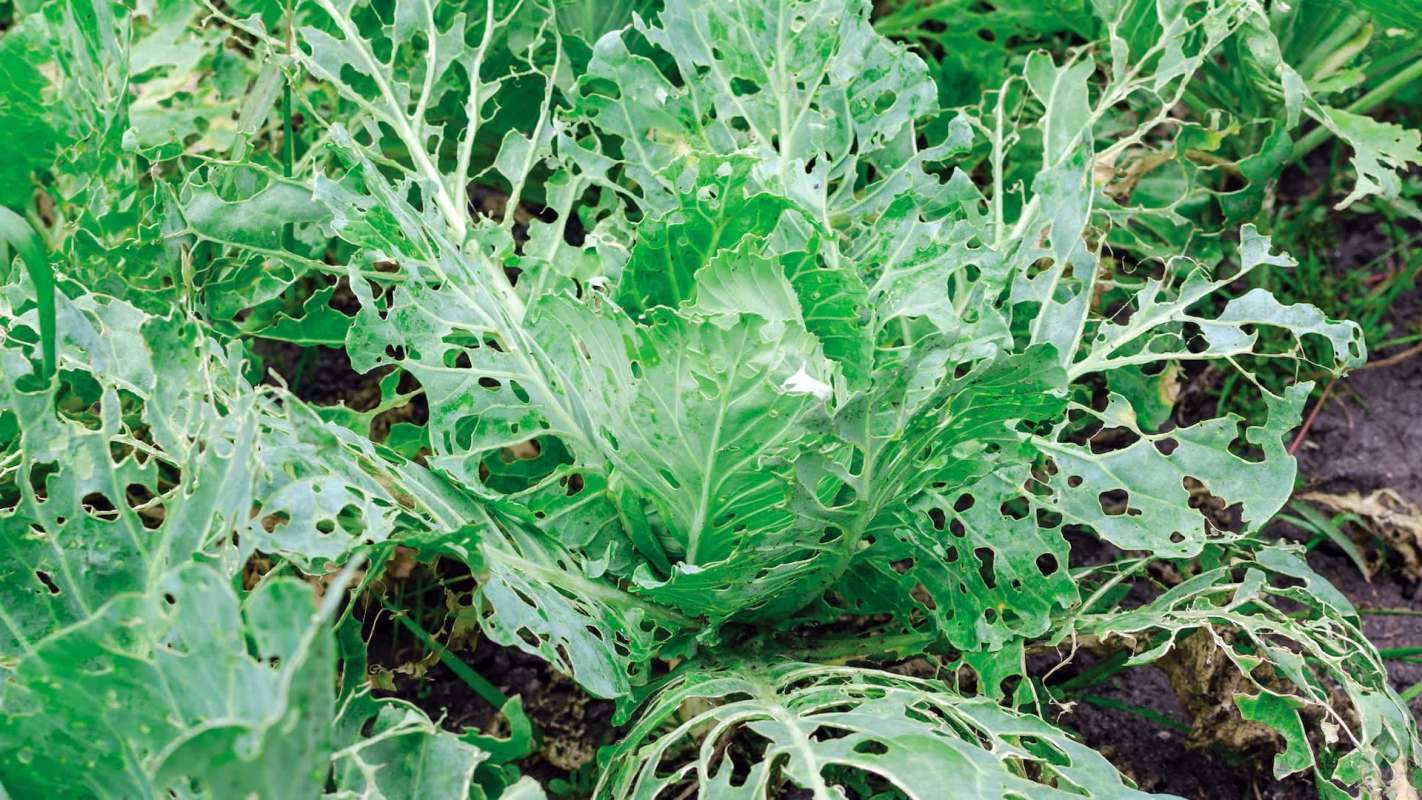
Researchers at the University of Queensland have developed chemical-free crop protection with dsRNA.
DsRNA, also known as "double-stranded RNA," is a type of RNA that is associated with viral infections, according to a study published in the journal Nature Reviews Molecular Cell Biology.
When dsRNA is detected in a cell, the organism's immune system mounts a response against it. In some cases, this can help build immunity. In others, it triggers an inflammatory reaction.
The latter is what researchers were going for. The software, called dsRNAmax, designs dsRNA that exclusively targets pest species that hinder crop growth.
Stephen Fletcher, a PhD candidate who helped design the program, said, "It will mean that you won't have off-target impacts, and you can add as many off-targets as you like to be excluded."
The dsRNA, according to the research team's published study, is applied topically to crops. Because of its specificity, it only harms pests, while leaving critical pollinators, like bees and butterflies, alone.
While they're still not close to scaling dsRNAmax, they've proved that it works.
"We've physically demonstrated that this software can do what we say it does," Dr. Chris Brosnan, who tested the software, said.
New, non-chemical forms of pest control are sorely needed. Chemical pesticides are widespread, used to "protect" about one-third of global agricultural goods, according to a study published in the journal Frontiers in Microbiology.
However, pesticides are known to damage both human health and the environment. Studies have shown that pesticides can disrupt your endocrine system, which affects hormonal health and reproduction, among other issues, and has multigenerational consequences.
TCD Picks » Quince Spotlight
💡These best-sellers from Quince deliver affordable, sustainable luxury for all




People are exposed to them more often than you'd think. Pesticides often find their way into water systems, harming both humans and aquatic life. Acute exposure, per the research in Frontiers in Microbiology, can even kill fish.
A natural pesticide that only harms a targeted species is a massive step forward and could have positive ripple effects throughout the entire ecosystem.
|
What is the biggest reason you don't grow food at home? Click your choice to see results and speak your mind. |
 Not enough time ⏳
 Fletcher noted that the team intends to further refine the software.
"We'll be using machine learning to improve the design to make our dsRNA 5% to 10% more effective, which would make a huge difference in a production system," he said.

Join our free newsletter for weekly updates on the latest innovations improving our lives and shaping our future, and don't miss this cool list of easy ways to help yourself while helping the planet.
Cool Picks





