


A new lawsuit is bringing one of the biggest questions surrounding artificial intelligence into sharper focus: Who controls a person's voice once software can copy it?
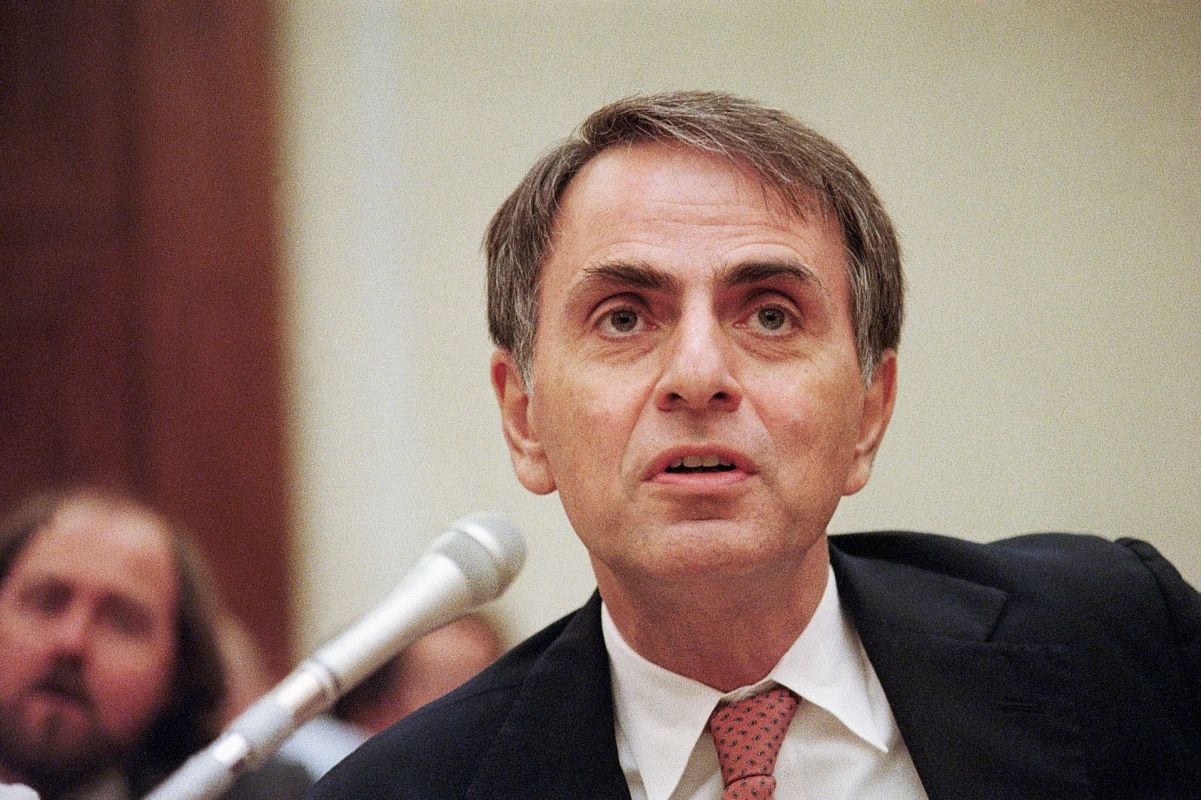
On Aug. 25, Druyan-Sagan Associates — the company that manages late astronomer Carl Sagan's rights — sued Luma AI in California, alleging that the startup used his voice in an advertisement without its authorization, according to Forbes.
Here's what to know
The dispute centers on an ad that Sagan's estate said featured an unauthorized version of his voice.
In a complaint filed in the Central District of California, the estate alleged that Luma AI infringed copyright, falsely suggested Sagan endorsed the product, and engaged in unfair competition under common law, per Forbes.
The lawsuit asserted that the promotion was built around an eight-second clip of Sagan saying, "If you wish to make an apple pie from scratch, you must first invent the universe," calling the excerpt the ad's "centerpiece," Forbes reported.
In the estate's view, using it that way turned a reference to Sagan into commercial exploitation.
TCD Picks » Quince Spotlight
💡These best-sellers from Quince deliver affordable, sustainable luxury for all




That distinction is becoming increasingly important as voice-cloning technology makes it easier for companies to generate highly convincing audio that sounds like a trusted public figure, even when that person never agreed to participate.
The concern extends beyond celebrities — if a famous voice can be replicated for marketing, so can a teacher's, a relative's, or a local official's.
Disputes over a well-known person's image or voice have become one of the most visible battlegrounds in the broader backlash against AI.
More background
The case arrived as AI spreads rapidly across entertainment, advertising, and consumer apps.
Tools that generate images, video, and voices can save time and unlock new creative possibilities, but they also open new pathways for deception, misuse, and identity theft.
That tension reaches far beyond media.
AI usage is heavily reliant on the power grid, as training and running large models requires enormous amounts of electricity, while many data centers also consume significant water for cooling.
In some instances, AI can help utilities forecast demand, better integrate renewable energy, and improve the efficiency of clean energy systems.
The promise of the technology is real, but so are the drawbacks, including added strain on local grids, higher infrastructure costs, and the possibility that households end up paying more when energy demand spikes.
A cloned voice in an ad poses a broader question of consent in a world where digital replicas can be created cheaply and distributed instantly at scale. Plus, the same tools that can imitate a celebrity can also be used in scams, fake customer-service calls, or misleading political messages, making it harder to know what — and who — is real.
What's being done?
In challenging the alleged voice cloning, Sagan's estate is testing how existing copyright, endorsement, and unfair competition laws apply when AI blurs the line between homage and imitation.
That legal pressure could help shape expectations for AI companies developing ad tools, audio products, and media generators.
Even before lawmakers establish new standards, lawsuits can push firms toward clearer consent practices, stronger labeling, and tighter internal review before synthetic voices are used commercially.
The broader challenge is building AI systems that are useful without treating identity, trust, and public resources as free raw material. That means respecting consent, protecting people from impersonation, and being transparent about the technology's true costs.
How courts respond could help define the boundary in cases like this, after Sagan's estate asserted that Luma tried to "dragoon [Sagan] into acting as an unwitting spokesperson."

Get TCD's free newsletters for easy tips, smart advice, and a chance to earn $5,000 toward home upgrades. To see more stories like this one, change your Google preferences here.






