


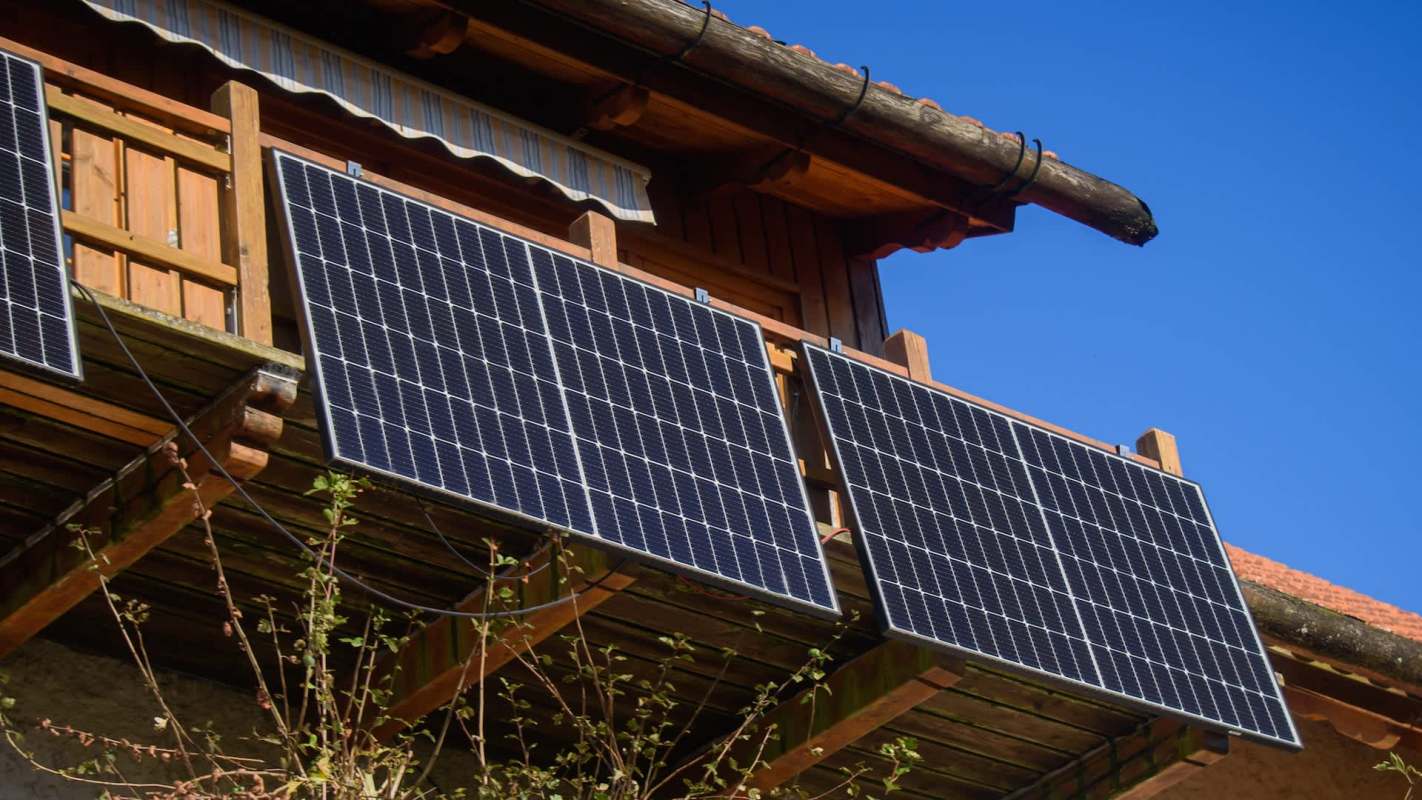
California lawmakers are considering a proposal that could make it much easier for renters and other households to use small plug-in solar panels at home, offering a lower-cost way to cut electricity bills as rates continue to climb.
For Californians frustrated by rising utility costs, the measure is being framed as a simpler alternative to full rooftop solar systems, allowing households to generate some of their own power without a major installation.
What's happening?
California state Sen. Scott Wiener, who represents San Francisco and part of northern San Mateo County, is backing SB 868, a bill intended to clear the way for plug-in solar devices, sometimes called balcony solar.
In a recent piece for Richmond Sunset News, Wiener said the push comes as PG&E electricity rates have risen 40% over the last four years.
The systems are designed to plug into a regular 120-volt household outlet and be moved easily among sunny locations such as balcony railings, backyards, and exterior walls.
Wiener said people in Utah and Virginia can buy the devices for about $600, depending on size, and that households may save roughly $450 a year, depending on the home and setup.
TCD Picks » Quince Spotlight
💡These best-sellers from Quince deliver affordable, sustainable luxury for all




Wiener said the utility approval process is currently the main obstacle, with customers sometimes pushed through interconnection rules more commonly used for far larger solar projects, requirements he called "absurd barriers." The bill is expected to be voted on in August.
Why does it matter?
The main appeal of plug-in solar is the range of people it could help reach.
Traditional rooftop solar is often out of reach for renters, many condo residents, and some homeowners whose roofs are not well suited.
A lower-cost, portable option could therefore expand access to energy savings for people who have largely been left out of the clean-energy transition. Wiener described the devices as "especially beneficial for renters," who often face high utility bills without having much control over the buildings where they live.
When more households can generate at least some of their own electricity, it can reduce demand for coal, oil, and gas while giving consumers more control over where their power comes from.
In places where electricity rates are rising quickly, that added flexibility can be just as important financially as it is environmentally.
What's being done?
The legislation would ease some of the regulatory barriers that have limited plug-in solar adoption in California.
To show the approach can work at scale, Wiener has pointed to Germany, where more than 4 million plug-in solar units have been installed without major mishaps.
He also said similar bills have been introduced in nearly 30 U.S. states, and that Utah is among the states that have already enacted plug-in solar laws.
California, however, could carry particular weight if the policy advances because of its large market and abundant sunshine.
If the law moves forward, renters and condo owners could gain a far more practical path to solar savings. Plug-in solar adoption is already picking up elsewhere in the country, with Maryland and Virginia both recently passing similar laws.
Wiener said, "Anyone can access it to harvest sunshine and generate immediate energy savings or around $450 per year, depending on the household and system."
He added, "You don't need a license or professional training as rooftop solar arrays do."

Get TCD's free newsletters for easy tips, smart advice, and a chance to earn $5,000 toward home upgrades. To see more stories like this one, change your Google preferences here.






