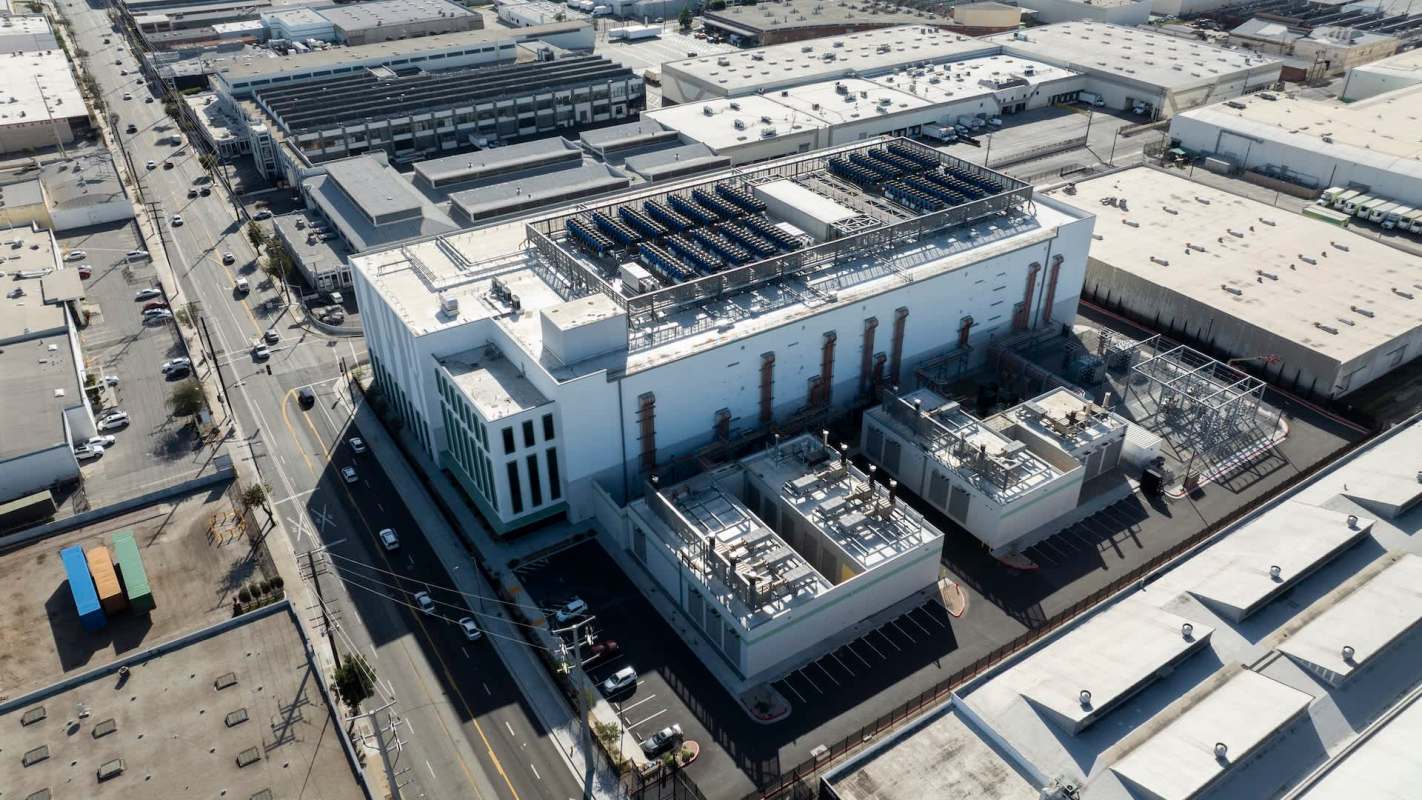
California's booming AI industry and data centers may be expanding into some of the driest parts of the state without clearly telling the public how much water it plans to use.
A new report from Next10 warns that this lack of transparency is colliding with stressed water supplies in vulnerable communities.
What's happening?
Researchers from Santa Clara University and Next10 found that planned data centers in California are moving into areas that depend on overdrawn groundwater and stressed surface water. They include parts of the Central Valley and Imperial Valley, as CalMatters reported.
These facilities help power AI tools and other digital services. According to the report, however, public information about how much water they will need is often sparse or unavailable.
The researchers reviewed environmental documents tied to proposed projects and found that only a small number were posted online. Even when records are available, details like a facility's cooling system, operator, and whether its water is recycled or potable are often incomplete or inconsistent.
Through interviews with planning officials, the team also found that some projects can move forward with limited environmental review, including through vague "ministerial" approval processes, according to CalMatters.
TCD Picks » Quince Spotlight
💡These best-sellers from Quince deliver affordable, sustainable luxury for all




California lawmakers have already tried to require more reporting. Gov. Gavin Newsom vetoed a bill from Assemblymember Diane Papan last year. But new proposals would once again require water use disclosures and add planning limits for projects in overdrafted groundwater basins.
Why are data centers in California concerning?
A facility that may look manageable on paper can still put serious pressure on a community dealing with dwindling groundwater, limited infrastructure, or heavy reliance on a stressed river system.
In Monterey Park, residents have also pushed back on a proposed data center over environmental concerns and a lack of clear information.
As Papan said: "You cannot manage what you have not and cannot measure. The public likes transparency, and they should."
AI can help utilities forecast electricity demand, improve grid efficiency, and support renewable energy integration. But the computing infrastructure behind AI requires enormous amounts of electricity and water for cooling. That can strain the grid, increase costs, and raise concerns about reliability, security, and social impacts.
What's being done about data centers in California?
Papan has introduced two new bills aimed at closing the information gap. One would require data center operators to report estimated or actual water use when seeking or renewing a business license or permit. The other, as CalMatters reported, would prevent local governments from approving new or expanded facilities unless developers disclose their water-use plans.
That second proposal would place restrictions on development in overdrafted groundwater basins unless state water managers sign off. Supporters say those kinds of guardrails are necessary before California's AI buildout pushes further into rural and low-income areas.
Attending local permitting and planning meetings can help hold people and data center projects accountable for their actions. They can also help an area's residents voice their opinions about data centers.
"We have this huge build out, and we have very little data," said Irina Raicu, who directs the Internet Ethics program at the Markkula Center for Applied Ethics at Santa Clara University. "It's just not a good combination."

Get TCD's free newsletters for easy tips, smart advice, and a chance to earn $5,000 toward home upgrades. To see more stories like this one, change your Google preferences here.