


Even buoyant microplastics may not stay near the top of farm soil.
New research, published in the journal Engineering Environment, indicates that rainfall or irrigation can carry these plastic particles downward, a result that could complicate efforts to protect groundwater in many communities.
What happened?
According to Newswise, researchers from the University of Memphis, the University of Manchester, the University of Missouri, and Brown and Caldwell created a farm-focused test to see whether buoyant microplastics could move from the soil surface to deeper layers.
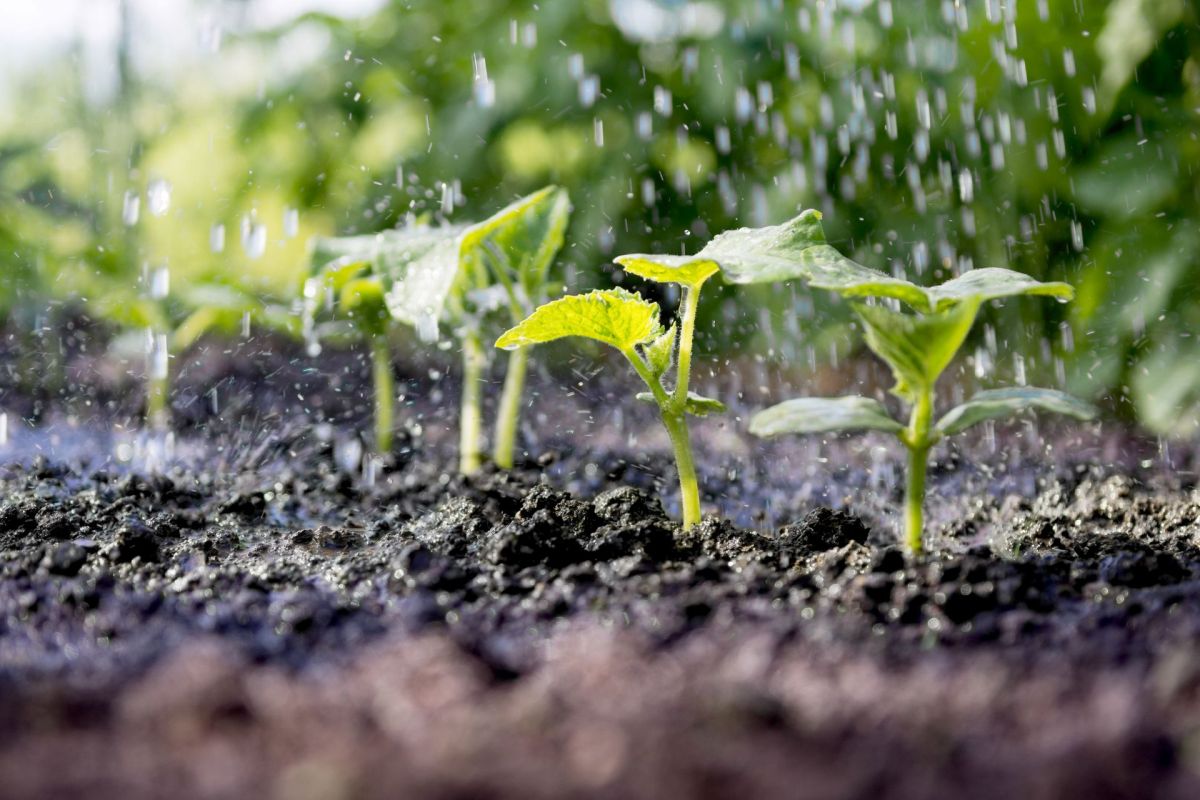
To mimic rainfall or irrigation, they spread low-density polyethylene microplastics across the soil surface and then let water infiltrate from above instead of mixing the particles into flowing water.
In some trials, up to 1.4% of the particles placed on the surface passed through the soil columns, suggesting these plastics may be able to reach deeper underground layers more readily than previous studies assumed.
The team also compared silt and silt loam soils and found that texture played an important role. The more clay-rich silt loam held onto more particles because its pores are smaller and its surface area is greater, while silt moved them more quickly.
TCD Picks » Quince Spotlight
💡These best-sellers from Quince deliver affordable, sustainable luxury for all




The plastics also traveled more readily when humic acid, which represents natural organic matter, was present, and UV-aged particles also moved more easily.
Why does it matter?
Farmland is exposed to microplastics from sources such as plastic mulch, biosolid fertilizers, and contaminated irrigation water.
If those particles can migrate below the surface more easily than expected, the pollution problem becomes much harder to contain.
Farmland supports food production, rural water systems, and aquifers that many communities depend on every day.
If microplastics move deeper into the ground rather than being carried off mainly in runoff, current risk models may be underestimating where contamination can end up.
"The discovery that both natural organic matter and UV aging make them more mobile is particularly concerning, because it means that in a real-world environment, these contaminants could be migrating into our groundwater more readily than we previously thought," the authors said, according to Newswise.
What's being done?
The "surface-spiked" setup gives scientists a better tool for testing how plastics behave under actual rain and irrigation conditions rather than in simplified lab scenarios.
The study also provides a framework for improving pollution models to better protect soil and water resources. The researchers found that attachment, detachment, blocking, and straining all shape how microplastics move, and that soil-specific traits such as clay content and natural organic matter need to be included in future assessments.
The findings add to the case for rethinking practices that continuously add plastic to farmland, including the continued use of plastic mulches and repeated biosolid applications.

Get TCD's free newsletters for easy tips, smart advice, and a chance to earn $5,000 toward home upgrades. To see more stories like this one, change your Google preferences here.






