


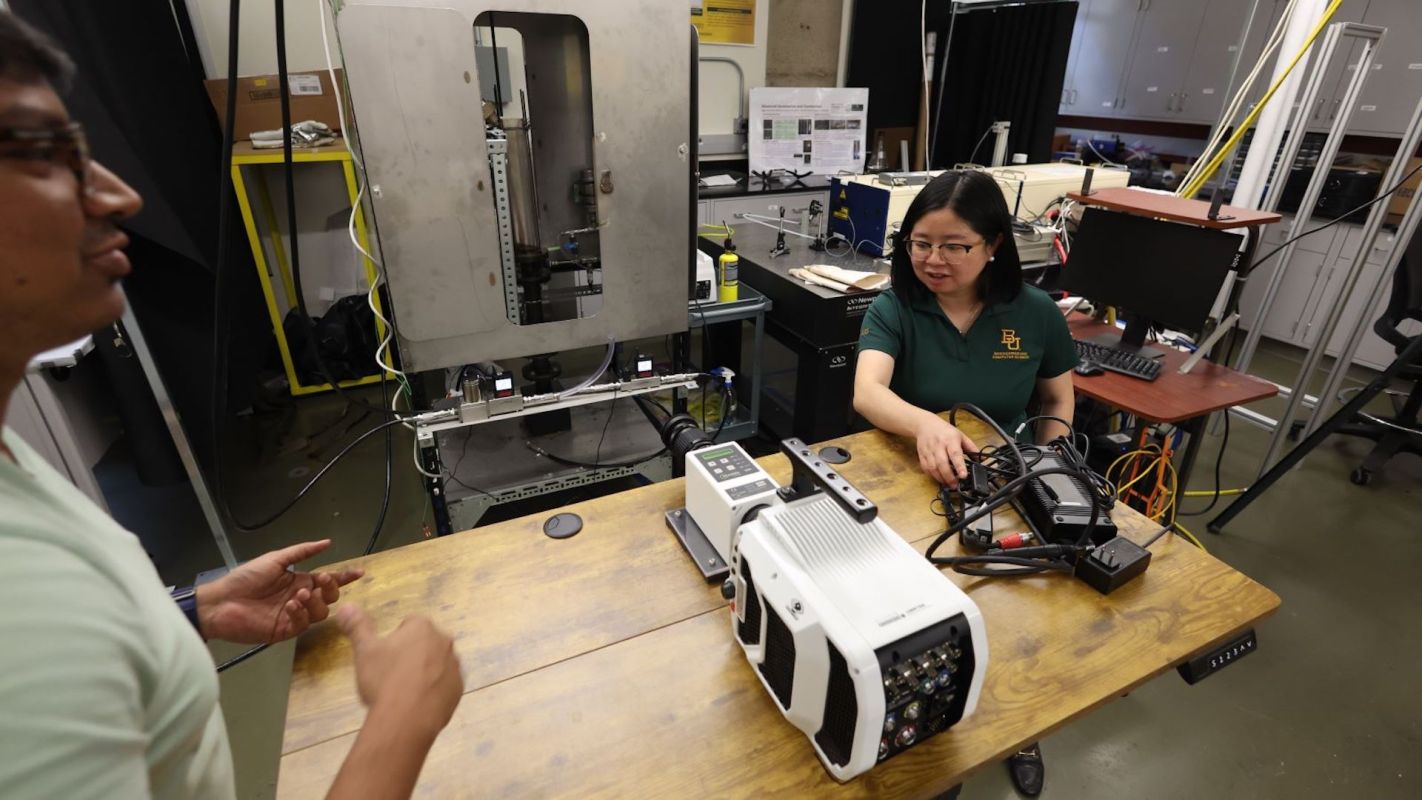
Researchers at Baylor University have made a breakthrough that could revolutionize the biofuel industry. According to Tech Xplore, the team developed a new method for the efficient combustion of biofuel that burns glycerol/methanol blends with nearly no emissions.
Glycerol combustion can be difficult because its thickness makes it hard to burn. It generally requires preheating or processing, which can be costly, and when it burns, it releases pollutants like carbon monoxide (CO) and nitrogen oxides (NOx). The team of researchers, led by Lulin Jiang, principal investigator of the Cornerstone Atomization and Combustion Lab (CAC) at Baylor, developed the Swirl Burst (SB) injector to rectify that problem.
While traditional injectors created more of a stream, resulting in incomplete combustion and the production of pollutants, the SB turned the glycerol into fine droplets, creating a better fuel-to-air ratio, allowing the glycerol to burn more efficiently and cleanly.
What makes this even more exciting is that glycerol is a byproduct of biofuel production, so now the waste created when producing clean energy sources can be used as a clean energy source itself.
"Being able to transform waste, such as waste glycerol, into cost-effective renewable energy promotes energy resilience and energy equity for economically disadvantaged groups in a changing climate," Jiang said.
The research team tested three different glycerol/methanol blend ratios — 50/50, 60/40, and 70/30. The 50/50 blend achieved complete combustion, while the other two blends achieved over 90% combustion efficiency, all with near-zero CO and NOx emissions. All of this was done with no preheating or processing beforehand.
And the process will work with other biofuels as well.
"The demonstrated high viscosity tolerance and fuel flexibility of the technology signifies that not only waste glycerol, but also the viscous source oils of biodiesel, and other waste-based bio-oils can be directly reducing biofuel cost and thus potentially stimulating its broad application," Jiang said.
Glycerol has a lot of uses. It's used in pharmaceuticals, lubricants, skin products, food, printing, and even liqueurs, but using it as a viable fuel source may be its most important. The ability to use glycerol and other biofuel waste as clean energy sources of fuel to create more biofuel, creating a circular economy, reduces waste and harmful planet-warming emissions.
Biofuel production waste isn't the only kind of waste that may one day be widely used as a viable fuel source.
TCD Picks » Quince Spotlight
💡These best-sellers from Quince deliver affordable, sustainable luxury for all





Join our free newsletter for weekly updates on the latest innovations improving our lives and shaping our future, and don't miss this cool list of easy ways to help yourself while helping the planet.
Cool Picks





