


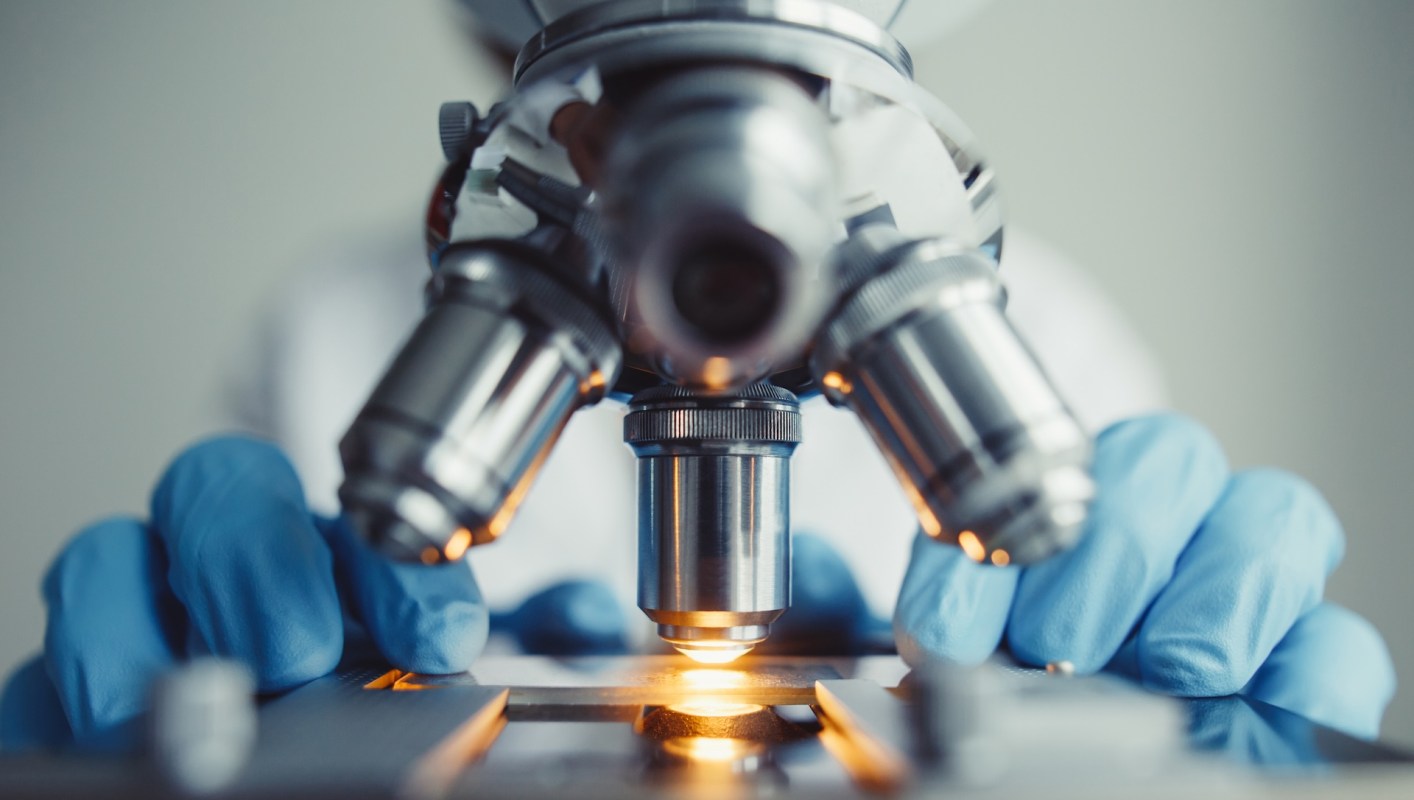
Japanese researchers have discovered a way to tackle plastic pollution by engineering E. coli bacteria to make a biodegradable alternative to PET plastic.
The breakthrough, shared in a Kobe University press release, could eventually ease the pressure on landfills and oceans clogged with plastic waste.
Plastics like PET are prized for their durability, but they linger in the environment for decades. They eventually break down into microplastics that make their way into water, air, soil, and even human bodies.
The OECD estimated that in 2020, 2.9 million tons of microplastics leaked into the environment, and microplastic leakage may grow to around 4.5 million tons by 2040.
According to a study published in the European Polymer Journal, there are one million tons of plastic, including PET, and over 350 million tons of PET waste produced every year. However, existing disposal methods like landfills and incineration end up creating pollution and more waste, the study explained.
Creating a plastic substitute that performs just as well as PET but naturally breaks down could reduce long-term health risks and curb plastic pollution.
TCD Picks » Quince Spotlight
💡These best-sellers from Quince deliver affordable, sustainable luxury for all




In the study, published in the journal Metabolic Engineering, the Kobe University team engineered E. coli bacteria to produce pyridinedicarboxylic acid, a biodegradable building block with physical properties that could even exceed PET. The team achieved this by tweaking the microbes' metabolic pathways and solving a key enzyme bottleneck.
"Our group approached the challenge from a new angle: We aimed to harness cellular metabolism to assimilate nitrogen and build the compound from start to finish," explained bioengineer Tanaka Tsutomu.
Unlike traditional petrochemical processes, this method avoids unwanted byproducts, making it a cleaner alternative. It could also help protect people from microplastics in food and water — and lower disposal costs in the long term.
This innovation joins a growing wave of bio-based solutions aimed at cutting waste and pollution, like developing a bacteria-powered energy converter for agriculture and genetically engineering yeast to turn wastewater into different types of protein.
|
Should companies be required to help recycle their own products?
Click your choice to see results and speak your mind. |
 Definitely 👍
 Individuals can also do their part to help combat plastic pollution. Simple changes, such as repurposing or reselling plastic items, using community recycling options, or choosing plastic-free alternatives, can help reduce household waste.
On Reddit, users shared their insights.
"The rate at which it can produce this material is extremely important, and if it's scalable on an industrial level," wrote one commenter.
"Pyridine derivatives are widely used for its ability to chelate/bind…just about everything. Would be very curious of how this material stains, dyes, and cleans," shared another user.

Join our free newsletter for weekly updates on the latest innovations improving our lives and shaping our future, and don't miss this cool list of easy ways to help yourself while helping the planet.






