


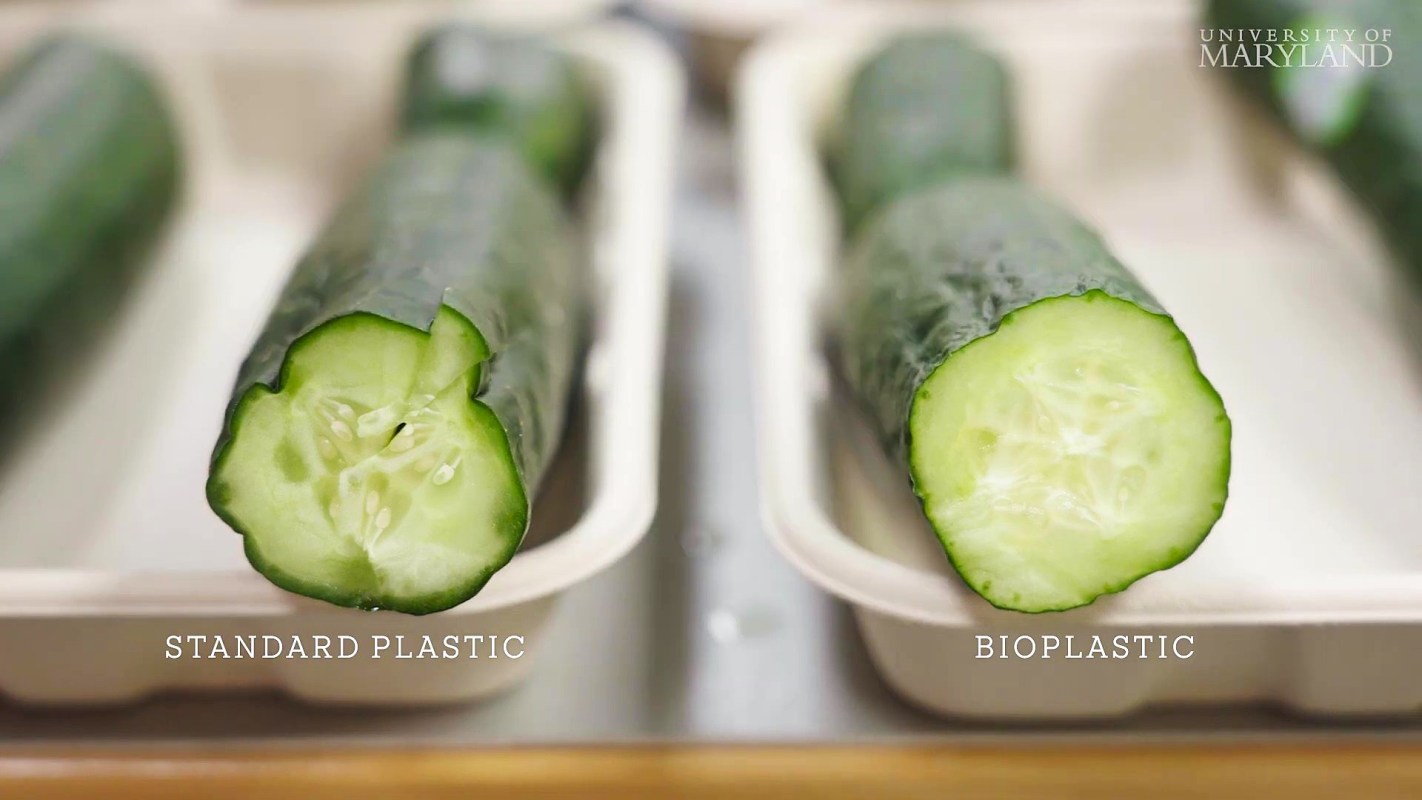
A new report highlights a possible plastic replacement that sounds almost too good to be true: artificial-intelligence-designed food packaging made from shellfish-derived materials that can keep produce fresh longer and then break down in just weeks.
Researchers at the University of Maryland say they've developed a biodegradable packaging material that may begin appearing in commercial produce packaging later this year, 7News reported. If it scales as planned, it could make grocery shopping cheaper, cleaner, and easier.
The team combined artificial intelligence, machine learning, robotics, and naturally occurring materials, including cellulose and chitosan — a compound sourced from shrimp and crab shells — to find the right formula for a plastic alternative that can actually perform like the real thing.
In the report, biomolecular engineer Dr. Abhishek Sose said, "We have found that material," adding that the team hopes to see it "soon in the market," according to 7News. Project lead Dr. Po-Yen Chen said AI helped cut a process that normally takes years to about three months by quickly sorting through a huge number of possible material combinations.
Food packaging has to do a lot at once: resist water, oil, and grease while staying strong enough for shipping and storage. The researchers said their material met those targets — and, in tests, produce wrapped in it lasted roughly twice as long as produce covered with regular plastic cling film.
Traditional plastic can persist for hundreds of years, gradually breaking down into microplastics that end up in soil, water, food, and human bodies. Scientists are still working to understand the full extent of how those particles affect health, but they have already been found in places including placentas, drinking water, and even brain tissue.
TCD Picks » Quince Spotlight
💡These best-sellers from Quince deliver affordable, sustainable luxury for all




A packaging swap like this may reduce plastic waste at the source, lower exposure to persistent plastic pollution, and cut food waste by helping produce last longer at home and in stores. It could also help families trying to stretch grocery budgets.
There may also be a cost advantage. 7News reported that Sose said the material could be "much cheaper" than many current eco-friendly options and better for the environment.
Researchers have been exploring a wide range of plastic alternatives and ways to reduce plastic pollution, but materials that are affordable, effective, and able to break down quickly have remained difficult to develop. A product that can match the performance of conventional plastic while extending freshness would stand out.
Sose called plastic "a design problem" because it is often used for just minutes but lasts for centuries, per 7News.
Chen said the team is already working with industry partners and believes shoppers could start seeing the material "on some channels already, especially in produce packaging," by the end of the year.
He also shared the moment that helped shape the project: seeing a sea turtle try to eat a floating plastic bag while scuba diving in Palau. "When I really saw it," he said, "it was shocking."

Get TCD's free newsletters for easy tips, smart advice, and a chance to earn $5,000 toward home upgrades. To see more stories like this one, change your Google preferences here.






