


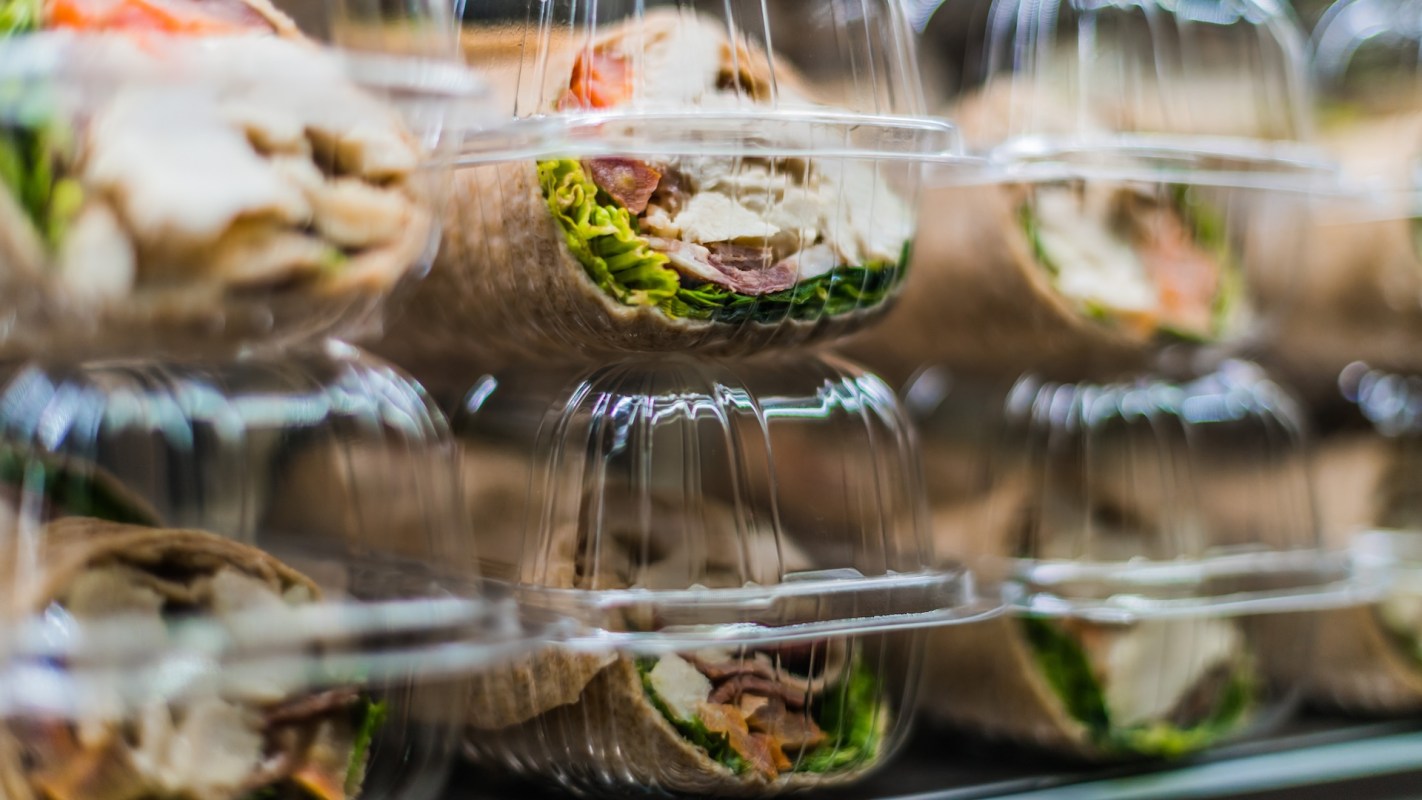
A new global report says plastic food packaging sheds an estimated 1,000 metric tons, or about 1,100 tons, of microplastics into food and drinks each year. This stat raises fresh concerns that everyday packaging may be directly exposing people to tiny plastic particles.
The report, titled "From Pack to Plate," was published by Earth Action in collaboration with rePurpose Global. It identifies what researchers describe as a major but undercounted route of human exposure: plastic particles moving from packaging into the food and beverages people consume.
According to the analysis, the amount released each year is roughly equal to the weight of more than 600 cars, New Food Magazine reported. On average, a consumer may ingest about 130 milligrams of these particles annually, while people who rely more heavily on packaged products could take in more than a gram per year.
Researchers said that shedding is not random. It is largely shaped by the type of plastic used, how packaging is designed, and how it is handled in the real world. Caps, closures, and multi-part packaging can create friction that increases particle release. Heat, microwaving, hot filling, and exposure to sun or UV light can make the problem worse.
PET bottles make up about a third of packaging-linked exposure, with rigid PET food containers and flexible polyethylene packaging following behind.
Julien Boucher, Ph.D., head of research and co-CEO of Earth Action, said the findings point to a direct pathway of human exposure through everyday eating and drinking, one that should be treated as a genuine safety issue, not only an environmental concern.
TCD Picks » Quince Spotlight
💡These best-sellers from Quince deliver affordable, sustainable luxury for all




Most of the particles identified were smaller than 150 micrometers, which researchers say is small enough to cross some biological barriers and interact with the body in ways scientists are still trying to understand.
There is also the chemical side of the issue. Plastics can contain substances linked to hormone disruption and cancer risk, and the report notes that ingesting micro- and nanoplastics may also mean exposure to those chemicals at the same time. According to the research, taking in 100 to 200 milligrams of micro- and nanoplastics may correspond to roughly 50 milligrams of chemical exposure.
Food safety rules have historically focused more on chemicals leaching from plastic than on the release of physical particles, and current frameworks largely do not address the combined exposure people may face from both.
For consumers, that means common habits, such as heating food in plastic containers or repeatedly opening and closing certain packages, may matter more than many people realize.
Researchers say one encouraging finding is that a relatively small number of packaging formats appear to drive most of the exposure, meaning targeted changes could make a meaningful difference.
The report points to several practical steps for industry, including reworking high-stress parts like caps and closures, cutting UV exposure during transport and retail display, and testing packaging under real-world conditions such as heating and repeated handling. It also calls on regulators to treat particle shedding as a food-safety concern alongside chemical migration.
For consumers, the most relevant steps are reducing reliance on heavily packaged foods and bottled drinks when possible, avoiding microwaving food in plastic, and using glass, stainless steel, or other nonplastic containers for hot foods and beverages when practical. Choosing more fresh or minimally packaged products can also help reduce exposure.
The larger takeaway from the report is that the problem appears to be preventable. Upstream packaging design changes could keep billions of plastic particles out of food before products ever reach store shelves.

Get TCD's free newsletters for easy tips, smart advice, and a chance to earn $5,000 toward home upgrades. To see more stories like this one, change your Google preferences here.






