


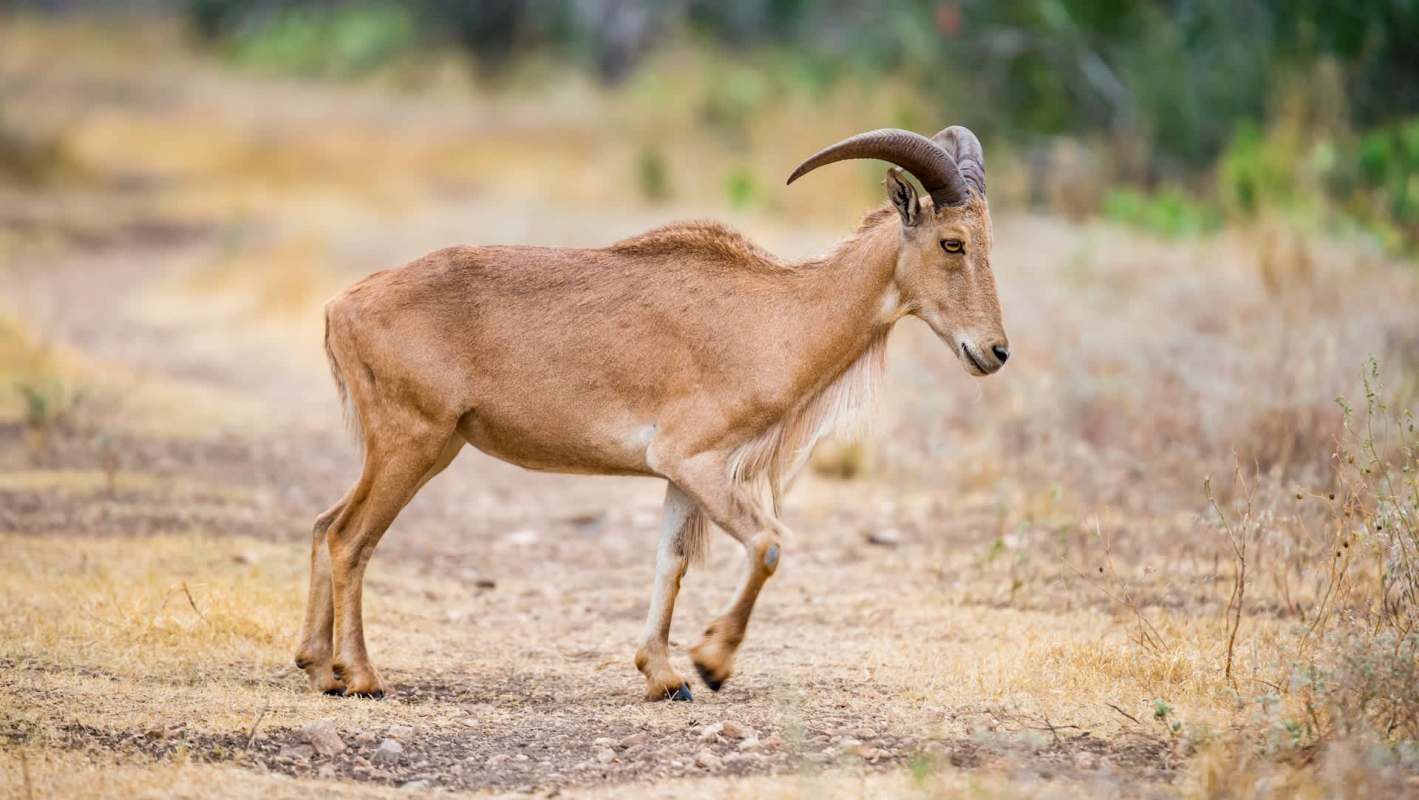
West Texas' rugged mountains are home to bighorn sheep, one of the state's most iconic native animals, but a new study suggests aoudad, an introduced species also known as Barbary sheep, may be quietly undermining years of conservation work.
Researchers found that when bighorn sheep were exposed to respiratory pathogens carried by aoudad, 80% died from pneumonia.
What happened?
According to phys.org, Texas A&M University researchers, working with veterinarians and biologists from the Texas Parks and Wildlife Department, investigated whether disease is passing from aoudad to native bighorn sheep in Texas.
Researchers examined whether aoudad could maintain and transmit two pathogen groups associated with pneumonia — Mycoplasma ovipneumoniae and leukotoxigenic Pasteurellaceae.
The study showed a sharp contrast between the two species: bighorn sheep often became seriously ill after exposure, while aoudad commonly continued shedding pathogens for extended periods without obvious illness. That pattern can make the invasive animals especially hard to manage in the wild.
Across Texas, researchers sampled 351 free-ranging aoudad. Nasal swabs detected Mycoplasma ovipneumoniae DNA in 9.4% of them, and 55.8% showed antibodies from earlier exposure. The study also found that juveniles shed the pathogen more often than adult aoudad, potentially increasing the chances of transmission between herds.
TCD Picks » Quince Spotlight
💡These best-sellers from Quince deliver affordable, sustainable luxury for all




Why does it matter?
Restoring native bighorn sheep takes years of planning, public funding, veterinary oversight, and habitat management, so major disease losses can erase hard-won progress and make future recovery more expensive for communities and agencies alike. Wildlife managers have been concerned about potential diseases spread by aoudad since the late 1970s, but researchers say little work has been done to measure the risk until now.
When invasive animals influence disease spread, they can destabilize that system in ways that are hard to detect until the damage is done.
Aoudad have been established in Texas for decades, and if they can spread deadly illness while not appearing sick themselves, it raises the stakes in any area where they overlap with bighorn sheep.
The risk also reflects a challenge seen worldwide: Introduced species can slow progress toward healthier ecosystems by placing additional pressure on already vulnerable native animals and forcing conservation teams to spend more time containing threats rather than rebuilding resilient habitats. A new study found that invasive species have contributed to major declines in native insect populations, reducing them by 31%.
What's being done?
The findings are already influencing on-the-ground wildlife management. In response, the Texas Parks and Wildlife Department updated its bighorn strategy and moved more than 70 uninfected bighorn sheep to Franklin Mountains State Park.
The relocation can help protect healthy animals from contact with infected populations. It also gives wildlife managers a better chance of establishing or maintaining herds in places where disease pressure may be lower.
As lead author Dr. Logan Thomas of Texas A&M University said, "Because aoudad show little, if any, signs of infection, every aoudad on the landscape should be conservatively considered a risk to bighorn sheep."

Get TCD's free newsletters for easy tips, smart advice, and a chance to earn $5,000 toward home upgrades. To see more stories like this one, change your Google preferences here.






