


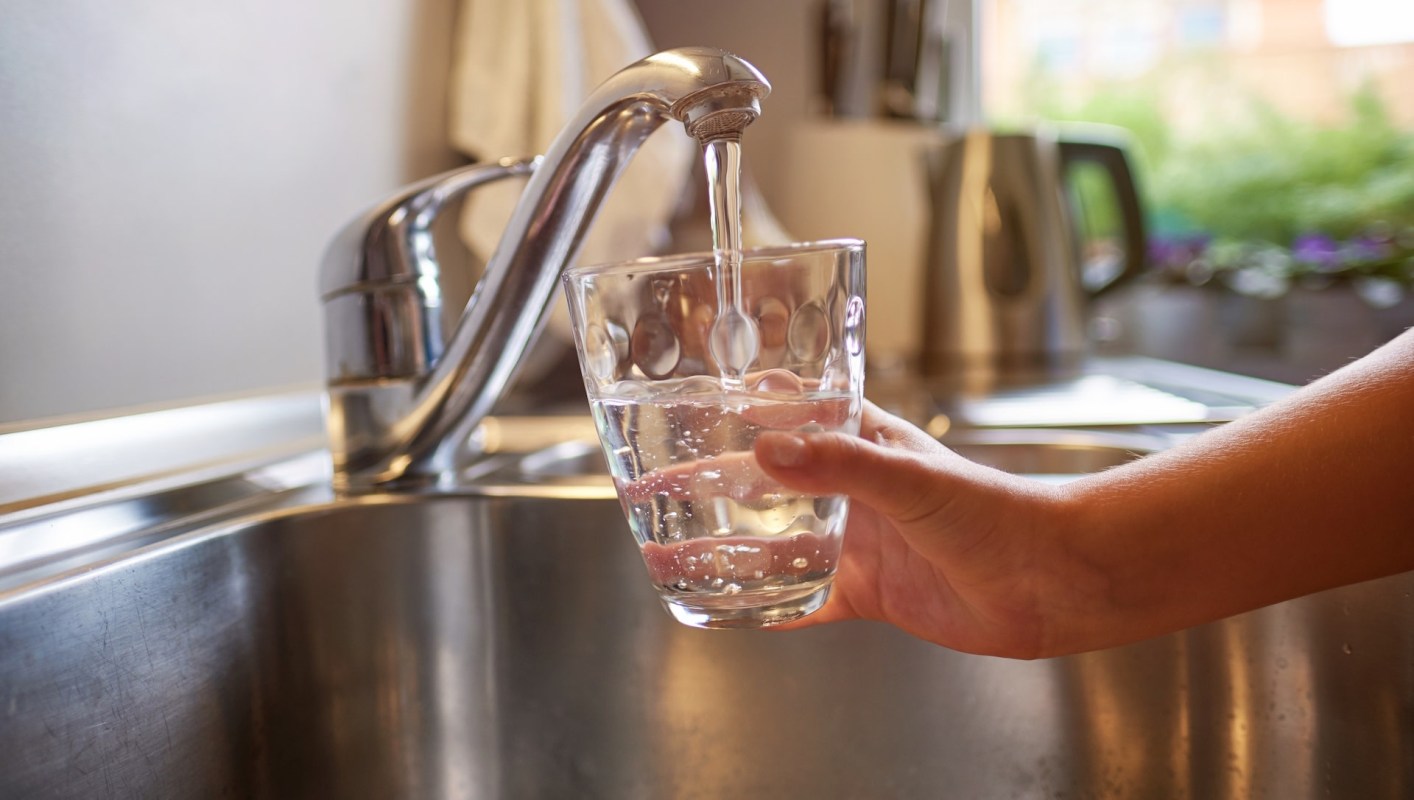
Beta-blockers like atenolol and metoprolol save lives every day — but once they leave our bodies, they don't just disappear. These medications are designed to withstand breakdown inside the human system, and they often slip through wastewater treatment plants and into natural waterways. Over time, even trace amounts can harm fish, algae, and entire aquatic ecosystems.
According to Interesting Engineering, scientists from Seoul National University of Science and Technology (SeoulTech) may have found a powerful solution. Their new study, published in Environmental Research, reveals that fluorinated covalent organic polymers (FCOPs) can capture and remove these stubborn pharmaceutical residues from water with remarkable speed and efficiency.
Pharmaceuticals — especially beta-blockers used for treating heart conditions — are among the most persistent pollutants in rivers and lakes, and traditional water treatment systems weren't designed to handle modern chemical contaminants. These substances can disrupt the metabolism and reproduction of aquatic organisms, affecting food webs and water quality.
It's crucial to find a scalable solution for removing these chemicals from water. SeoulTech's breakthrough could help close a major gap in water purification technology — one that directly impacts public health and ecosystem stability.
Led by Professor Yuhoon Hwang, the research team created FCOPs using a simple, catalyst-free process. The material's fluorine atoms give it a unique edge: They form strong molecular bonds with pollutants, while electrostatic and hydrophobic forces pull beta-blockers out of water and onto the polymer's surface.
In lab tests, FCOPs removed over 70% of atenolol and 67% of metoprolol within just one minute. Researchers discovered that adsorption increased sharply at higher concentrations, indicating that molecules were stacking into multiple layers — a rare and highly efficient process.
Perk up the winter blues with natural, hemp-derived gummies Camino's hemp-derived gummies naturally support balance and recovery without disrupting your routine, so you can enjoy reliable, consistent dosing without guesswork or habit-forming ingredients. Flavors like sparkling pear for social events and tropical-burst for recovery deliver a sophisticated, elevated taste experience — and orchard peach for balance offers everyday support for managing stress while staying clear-headed and elevated.
Learn more → |

"These synergistic interactions comprehensively explain the outstanding adsorption capacity of FCOP," said Professor Hwang. "Our findings could serve as a valuable foundation for designing next-generation adsorbents."
If applied to wastewater facilities, FCOP-based filters could dramatically reduce pharmaceutical contamination. This can help protect wildlife and ensure cleaner tap water for communities. Beyond improving public health, this innovation could also cut down on chemical buildup in aquatic ecosystems, helping preserve biodiversity.
As FCOP research advances, it could soon join the growing list of technologies transforming how we protect one of Earth's most vital resources: water.
|
How often do you worry about the quality of your drinking water? Click your choice to see results and speak your mind. |
 Never 👎
💰Join TCD's exclusive Rewards Club to earn up to $5,000 toward clean upgrades that will help you slash your bills and future-proof your home.
TCD Picks » Upway Spotlight
💡Upway makes it easy to find discounts of up to 60% on premium e-bike brands





Cool Picks





