


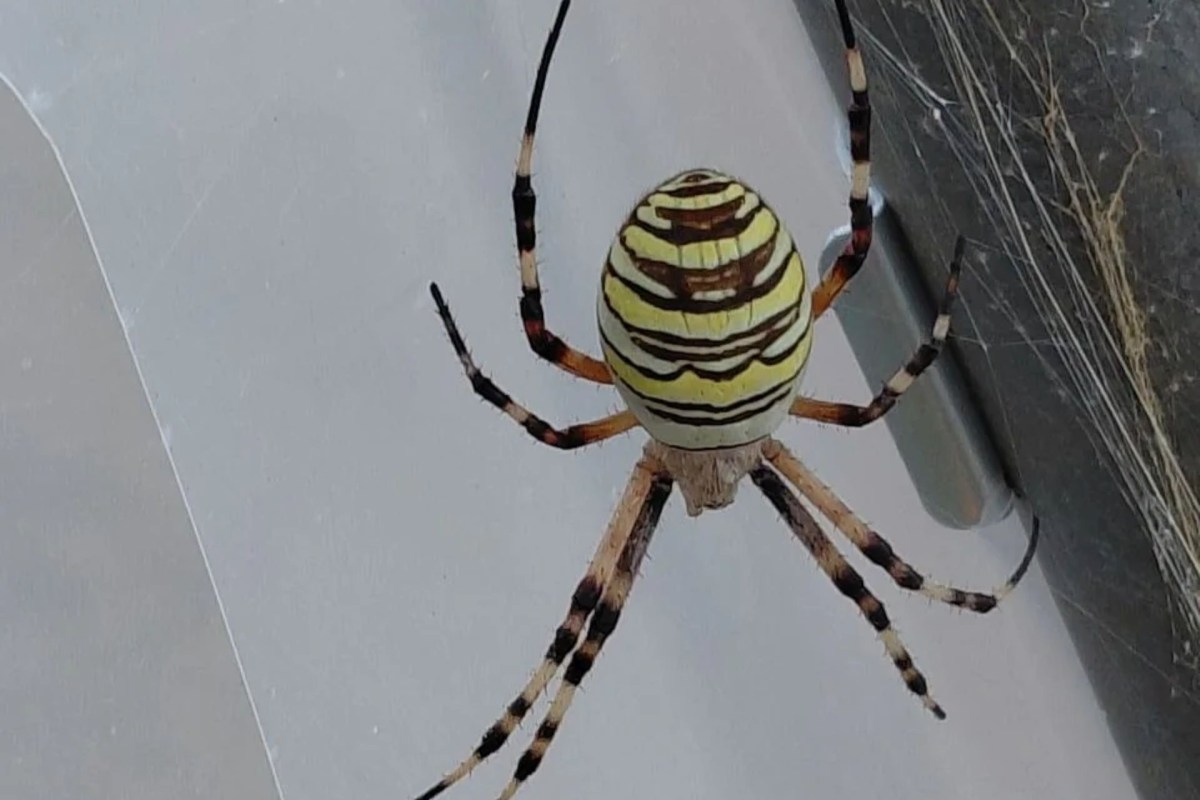
A pet owner was left uneasy after they noticed a spider that seemed unusually big and vividly colored.
Because their cat often spends time in that space, the discovery raised an immediate question: Was this a dangerous exotic species?
Here's what to know
In a post on Reddit, the original poster wrote: "I've just noticed this hanging in the corner of my scorching greenhouse in the Benelux. Never seen a spider of this size (about the size of an average palm) and with these bright colours before in my life. Is this something exotic?" The poster added, "My cat spends a lot of time in the greenhouse so I'm a bit concerned."
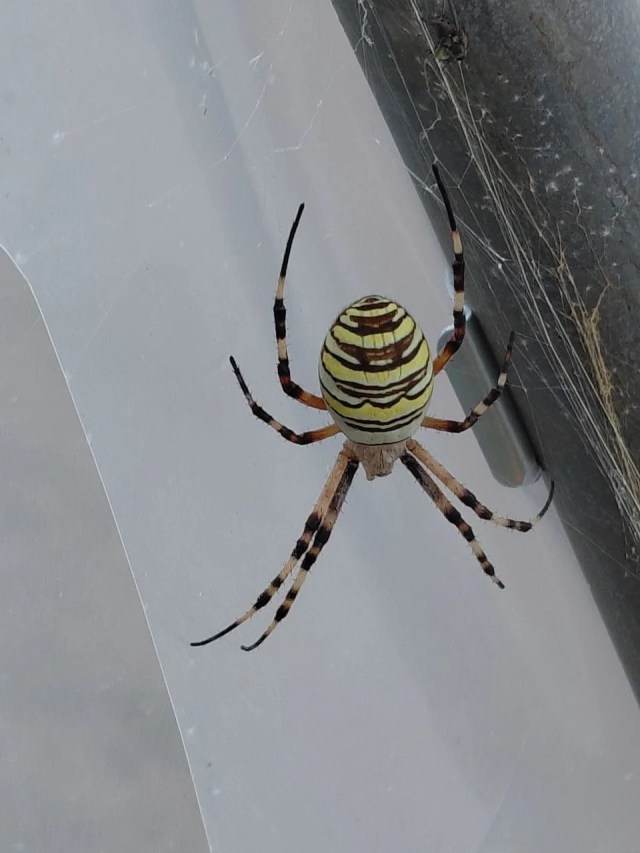
One reply identified the spider as a wasp spider, while also describing it as "gorgeous" and "native to central and northern EU."
A second commenter backed that ID and said the spider's common name comes from its appearance, noting that "its coloration mimics that of a wasp."
Reassurance about the cat was a common theme in the replies. As one commenter put it: "They won't hurt you or your cat."
TCD Picks » Quince Spotlight
💡These best-sellers from Quince deliver affordable, sustainable luxury for all




More background
The discussion also placed the species within the orb-weaver group responsible for the familiar circular, wheel-like webs many people think of when they picture a spider web.
One commenter explained: "Most spiders, including orb weavers, have venom that is deadly for their prey (insects) but harmless for big creatures like humans."
Commenters also pointed out that orb weavers "emphasize web over venom as their main hunting tool," a trait that helps explain why these spiders are often more helpful than harmful in gardens.
One commenter even described Argiope spiders as "a very good tenant to have around." In a greenhouse, a web-building spider that catches insects can be more of a benefit than a threat.
Why does it matter?
A clear photo and a rough location can help naturalists, moderators, or local bug-identification communities determine what species you are seeing.
Keeping curious cats from pawing at webs or eating spiders can help while the species is being identified. In many cases, separation matters more than removal.
When the species turns out to be a harmless native spider, though, leaving it alone is the simplest solution.
One commenter summed up the general advice this way: "They're big and scary, but these are the spiders you want around. They won't hurt you or your cat."
Another replied with a reminder about the size difference: "The spider should be more afraid of your cat."

Get TCD's free newsletters for easy tips, smart advice, and a chance to earn $5,000 toward home upgrades. To see more stories like this one, change your Google preferences here.






