


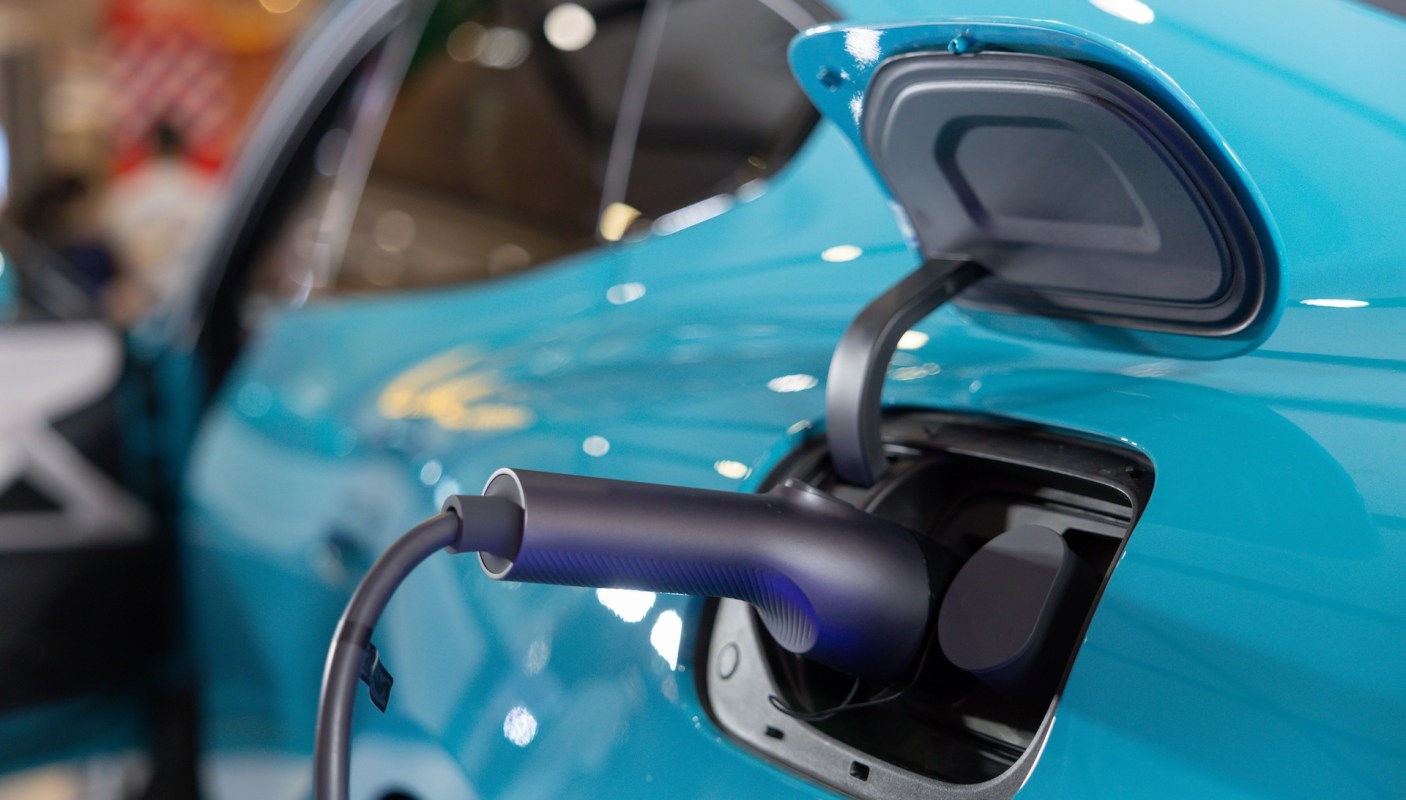
University of Sharjah experts haven't delivered a groundbreaking battery, but their research has provided better insight into how to create one.
According to a lab report published by EurekAlert, the researchers focused on charge transport in materials crucial for future packs that could better power electric vehicles.
The findings could also benefit "bioelectronic interfaces … neuromorphic computing circuits," fuel cells, and sensors.
"By improving the understanding of transient charging behaviors, the research paves the way for designing mixed ionic-electronic conductors with enhanced performance characteristics, such as faster charging times, greater energy densities, and longer operational lifespans," Professor Anis Allagui, study co-author, said in the report.
EV enthusiasts are likely salivating at the improved range and recharge speed implications. The findings are based on "electrochemical methods" to help develop better electrodes and conductors, which are key battery parts needed for ions to travel inside cells during cycling.
The experts used fractional diffusion theory, among other methods heavy with labspeak, to mark progress. The team said that the main goal was to "contribute to academic knowledge," but what they found has immediate benefits for energy storage and use sectors.
One key finding is that thinner conductor films can help the battery charge and discharge faster. Furthermore, "fractional impedance serves as a practical diagnostic tool for identifying diffusive behavior and refining device operational parameters."
"Understanding charge transport dynamics in these materials is crucial for optimizing device performance," the experts noted.
Better batteries improve EV performance, and unique innovations, such as lithium-air batteries, are in development. Packs that use manganese and other materials are also in the works, with the goal of lowering costs and improving capability.
Most EVs already average a 283-mile range, and some can go much farther, according to the U.S. Department of Energy and Kelley Blue Book. Ford intends to start building a $30,000 electric truck in 2027. It's among other lower-cost EVs set to debut soon.
TCD Picks » Quince Spotlight
💡These best-sellers from Quince deliver affordable, sustainable luxury for all




|
Would you be more willing to buy an EV if it could travel over 600 miles per charge? Click your choice to see results and speak your mind. |
 Definitely 👍
 Switching to an EV is the best way to break from dependence on polluting fuels for transportation. You can save up to $1,500 a year in gas and service costs, without pesky oil changes and other expensive maintenance associated with internal combustion engine-powered vehicles.
Adding home solar enhances the savings by providing free energy via the sun to power the ride. The Cool Down's Solar Explorer can help you compare quotes, identify a timely installer, and lock in tax incentives that can save you up to $10,000 — before they expire on Dec. 31.
Global EV and plug-in hybrid sales jumped 23% in October to 1.9 million rides, Reuters reported. American sales were an outlier, slumping as federal tax breaks expired in September.
In the meantime, the recent conductor research at Sharjah could aid others who are working in the pursuit of improved energy storers by providing pivotal data about the in-depth, inner workings of battery cells.
It "lays a foundation for future studies on tuning ionic-electronic coupling via structural control and motivates … the design of next-generation energy and electronic devices," the experts wrote in the summary.

Get TCD's free newsletters for easy tips to save more, waste less, and make smarter choices — and earn up to $5,000 toward clean upgrades in TCD's exclusive Rewards Club.
Cool Picks





