


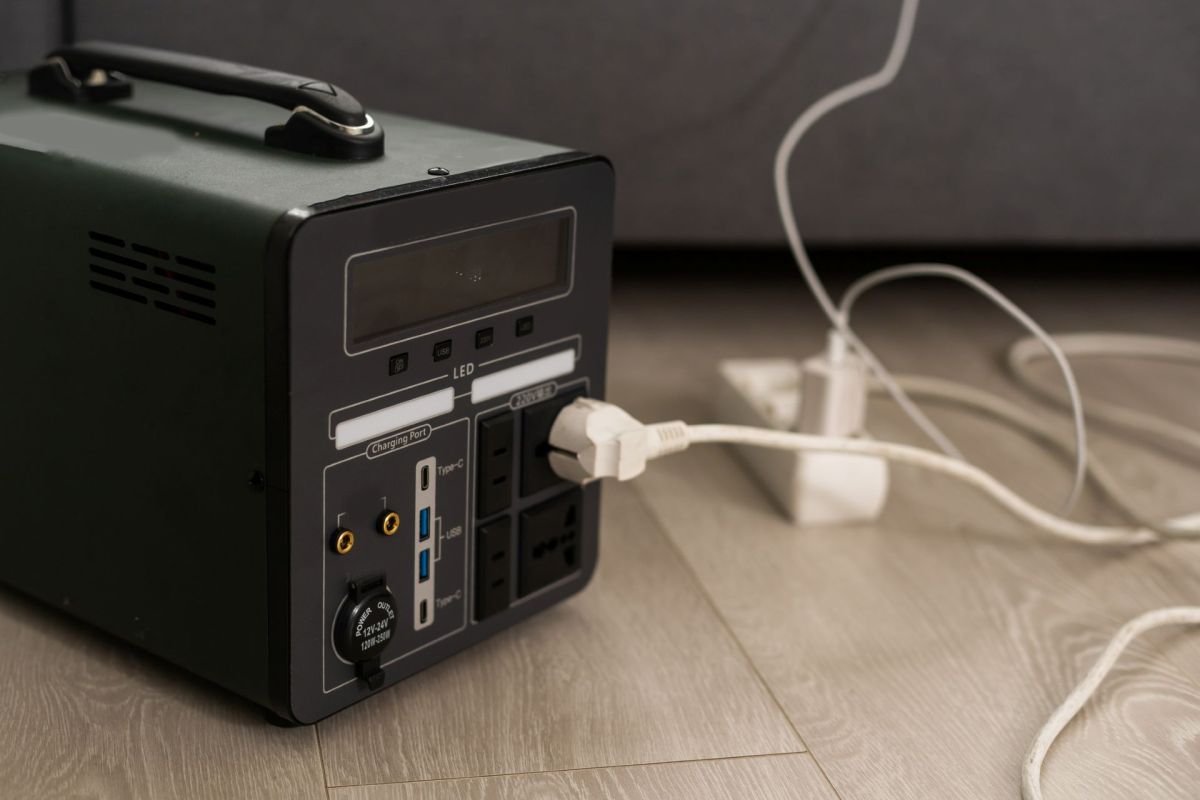
An Australian homeowner's complaint about a pricey battery setup has left some wondering whether a technical detail could leave them sweating in the dark.
Here's what to know
Battery storage can improve resilience and lower bills, but only if the system matches the home's actual electrical demands.
SolarQuotes Blog's Finn Peacock spotlighted a problem raised by a member of the My Efficient Electric Home Facebook group.
The homeowner said their FoxESS 41 kWh battery with a 3-phase 15 kW inverter was not keeping their house running during a blackout as expected. The installer reportedly told the homeowner to turn off the battery system and use the grid to run the aircon.
With the caveat that there may be more to the situation, since he hadn't independently verified the Facebook story, Peacock explained that what matters in an outage is not just the inverter's total advertised capacity but how that capacity is divided.
A 15-kilowatt three-phase inverter effectively provides about 5 kilowatts on each phase, so a large single-phase air conditioner drawing more than 6 kilowatts can exceed the available backup on that phase.
Still, despite this homeowner's frustrations, adding battery storage remains one of the best ways to protect your home during outages, save money on energy by using stored power after sunset, and move closer to going off-grid. U.S. homeowners comparing systems can explore EnergySage for information about home battery storage options.
More background
Many buyers hear "whole-home backup" and assume every major appliance will work exactly as usual when the grid goes down. But functionality depends on more than just battery size.
Save $10,000 on solar panels without even sharing your phone number Want to go solar but not sure who to trust? EnergySage has your back with free and transparent quotes from fully vetted providers in your area. To get started, just answer a few questions about your home — no phone number required. Within a day or two, EnergySage will email you the best options for your needs, and their expert advisers can help you compare quotes and pick a winner. Solar panels can save you more than $50k over their 25-year lifespan, and EnergySage can help you save as much as $10k on installation. Which begs the question — isn't that worth an email or two? |

As Peacock noted, a battery system may perform one way when the grid is up and another way when the grid is down. Some inverters can allow much higher current to flow from the grid during everyday operation, allowing large appliances to run normally, yet still be unable to supply enough battery power to a single phase during a blackout.
Heavy single-phase loads, such as EV chargers or electric floor heating, can face the same backup limitation if the system is not designed with those demands in mind from the start.
For households investing in batteries mainly for comfort, resilience, and lower power bills, those details can mean the difference between a smart upgrade and an expensive surprise.
If you're not ready for a whole-home system, Pila is a company offering plug-and-play battery backup at a fraction of the cost.
What can be done?
Before signing a contract, ask for a written list of which circuits and appliances will work during a blackout, after dark, and without help from rooftop solar. That is especially important for any large air conditioner, EV charger, or other heavy load.
As for this homeowner, Peacock said installation promises are enforceable under the country's consumer law. If the installer had indeed guaranteed that their system would run without any issues during a blackout, they may be eligible for a full refund or a replacement at no cost.
"What the installer cannot do is shrug and tell you to switch the battery off when you want to use the aircon. That's asking you to live with the failure, which is precisely what the law says you don't have to do," he concluded.

Get TCD's free newsletters for easy tips, smart advice, and a chance to earn $5,000 toward home upgrades. To see more stories like this one, change your Google preferences here.






