


Polyamides are among the most commonly used plastics in the world, used in everything from clothing to car parts. However, these plastics are difficult to break down and release microplastics into the environment when they end up in landfills after use.
The Machine Maker reported that BASF and its partners have developed two pilot projects to properly recycle polyamides used in automaking in an effort to reduce the carbon pollution these plastics produce and create a more circular economy in the auto industry.
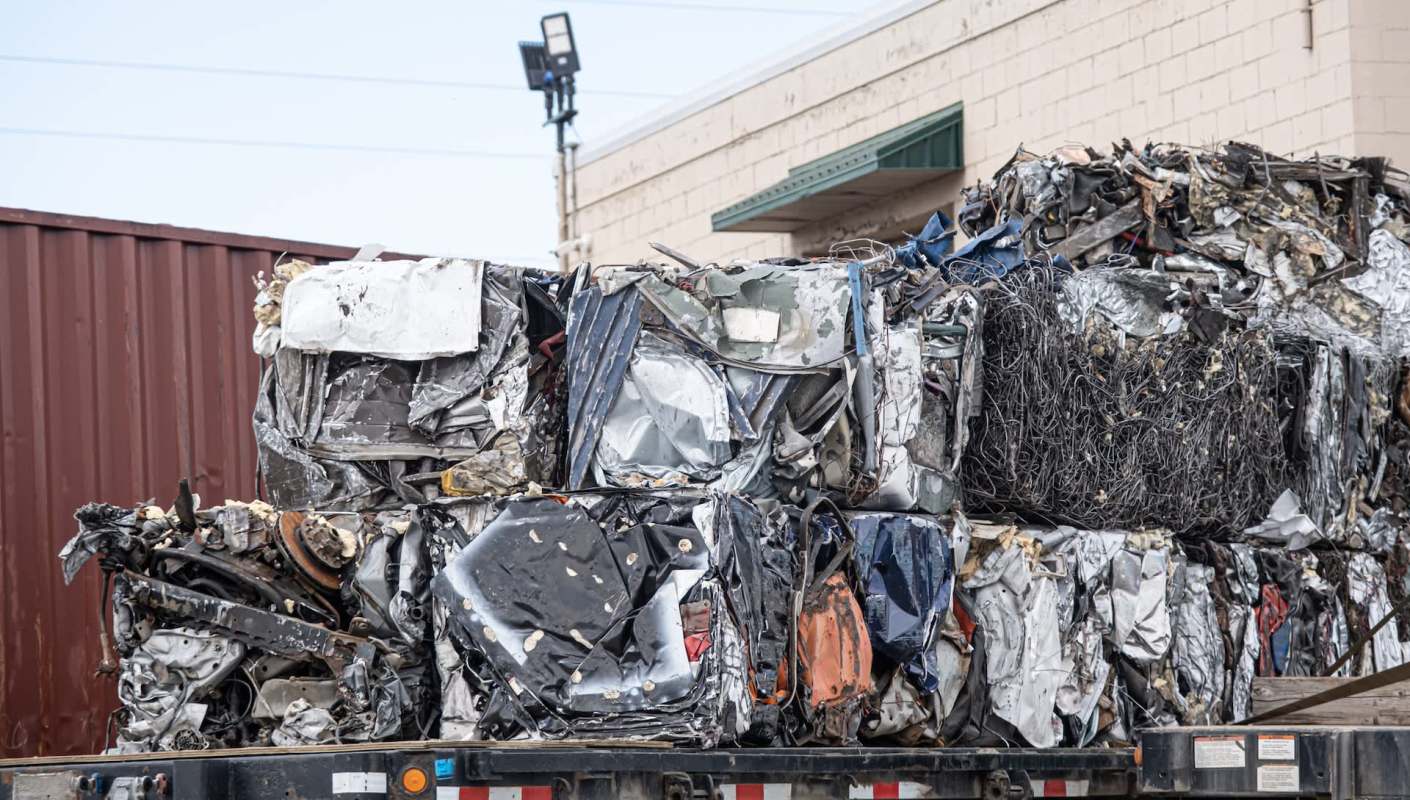
While it's long been the practice to recycle metal from cars at the end of their life, recycling plastics from them has proved much more challenging, resulting in about 441 pounds of plastic per vehicle being discarded.
To remedy this issue, BASF developed a chemical recycling process that breaks polymer chains down to their original monomers (a process known as depolymerization). The monomers are then purified so they'll be of high enough quality to be reused in new vehicles, which is something standard mechanical recycling cannot do. Once purified, the monomers are remade into polyamide suitable for making new car parts, such as oil pans.
BASF tested this process by providing ZF Group with some of the newly recycled material to go into a chassis part for a Mercedes-Benz. Tests confirmed that the recycled polyamide met all standards, thus demonstrating the viability of the material in the real world.
The second pilot project recovers polyamides from automotive shredder residue. This residue, which remains after glass and metals are removed from end-of-life vehicles, is incredibly difficult to recycle.
However, BASF and its partners figured out a way to isolate polyamide from the residue, which can then be processed and purified. Once purified, researchers remade the elements into PA6 compounds (or Nylon 66). The group tested the real-world viability of Nylon 66 using chain guide rails from Mercedes-Benz, with validation provided by Pöppelmann.
The Machine Maker reported that the Team Leader of Production Technology at Pöppelmann, Steffen Meyer, explained: "This solvent-based recycling presents a practical solution for plastics that mechanical recycling can't fully recover, strengthening the circular economy from car to car."
BASF also conducted life-cycle assessments on the new materials and determined that both recycling methods would significantly reduce carbon pollution, since they eliminated the need for common plastic-waste treatments and don't create polymers from dirty energy sources.
That means if these processes become commonplace, plastic waste could be significantly curbed in the auto industry and play a critical role in making the industry more sustainable.
TCD Picks » Quince Spotlight
💡These best-sellers from Quince deliver affordable, sustainable luxury for all




|
Should companies be required to help recycle their own products?
Click your choice to see results and speak your mind. |
 Definitely 👍
 The reduction in plastic waste and pollution could also significantly cut down on the amount of microplastics filtering into the environment due to the plastic waste littering the planet. Fewer microplastics in our soil and water would mean fewer microplastics in our bodies, which could greatly aid in mitigating the adverse health outcomes associated with microplastics.
Although it is unclear if and when the recycling industry may adopt these newly developed processes, their development is a crucial step forward in reducing plastic waste.

Join our free newsletter for weekly updates on the latest innovations improving our lives and shaping our future, and don't miss this cool list of easy ways to help yourself while helping the planet.
Cool Picks





