


A rock that got its start as liquid hot magma could ironically combat planetwide overheating.
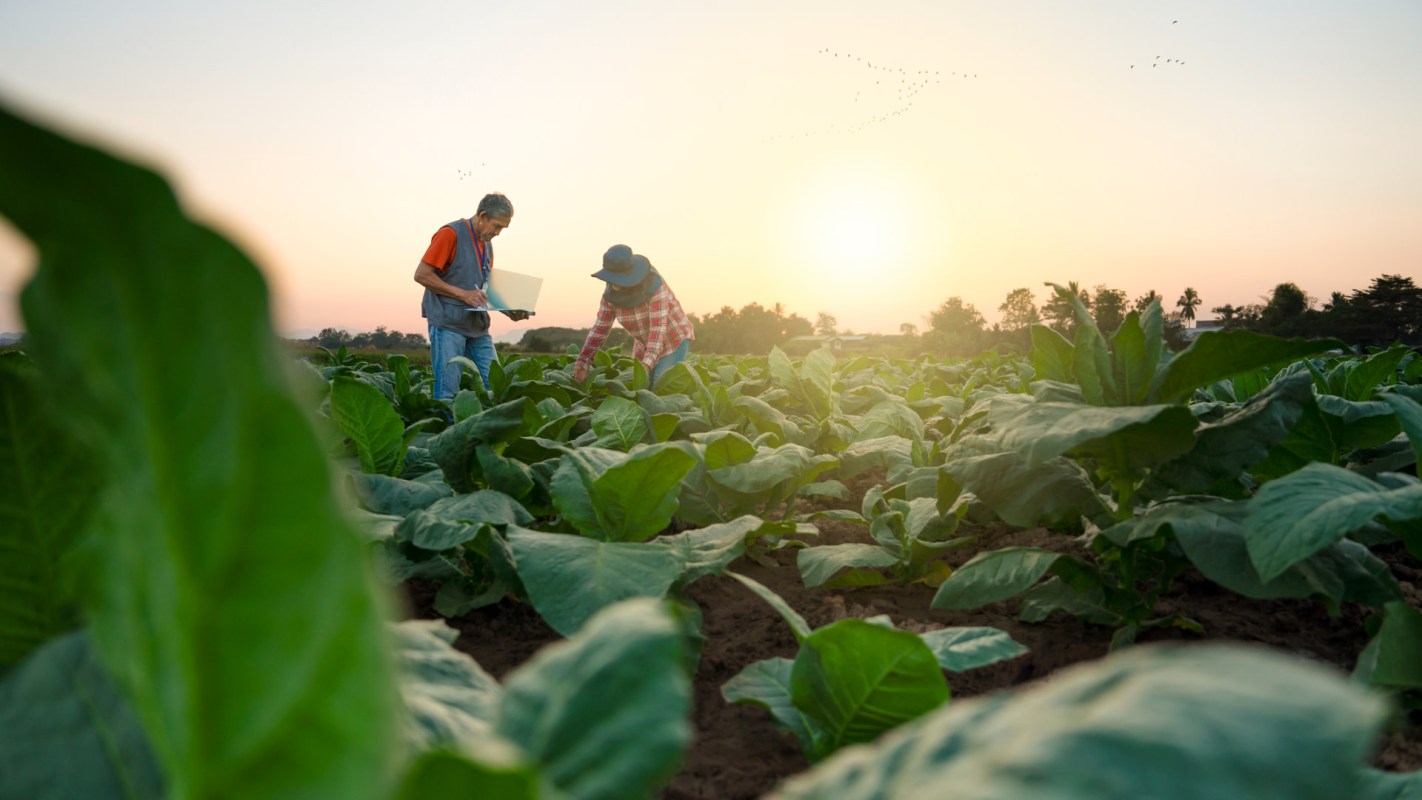
While it may not be how Dr. Evil would draw it up, the plan from the University of South Australia leverages cheap basalt as a soil treatment on farm fields, replacing costly fertilizers, lime treatments, and other practices that cause collateral pollution, according to a news release.
"Australian farmers spend nearly AU$1.2 billion a year to tackle soil acidification, using expensive liming materials that in themselves contribute to greenhouse gas emissions," researcher Binoy Sarkar said in the summary.
"Large volumes of adequately fine rock particles — a byproduct of the mining and construction industry — can be bought for as little as $30 per ton and applied to soils using existing farm equipment, with negligible expense."
It's not a complete replacement, but it can substitute for substantial amounts of the costly treatments, improving profits for farmers.
The rock is already used in multiple common infrastructure projects in the country, including road work. As a field supplement, it not only provides a cheaper alternative to other, dirtier options, but it can also remove carbon dioxide, per the experts.
This happens when the rock interacts with water and CO2 in the soil. It "draws down" the planet-warming gas from the air, Sarkar said in a YouTube clip shared by the university.
It's an ability being leveraged by experts elsewhere, too. For example, researchers in London are adding the mineral olivine to cement to capture and store air pollution.
"Almost 18% of our emissions are produced by the agricultural sector, primarily from crop production and emissions from livestock," Sarkar added in the release, referencing Australian pollution data.
"Basalt naturally reduces acidity, captures carbon, and it also releases nutrients such as phosphorus, calcium, magnesium, and silicon into the soil," the expert continued.
TCD Picks » Quince Spotlight
💡These best-sellers from Quince deliver affordable, sustainable luxury for all




|
What is the biggest reason you don't grow food at home? Click your choice to see results and speak your mind. |
 Not enough time ⏳
 The Massachusetts Institute of Technology reported that human-made nitrogen fertilizers started being mass-produced in the early 1900s. While helping to grow banner yields, the excess nitrogen can leach from fields, polluting waterways and releasing planet-warming gases. Air pollution is also generated during the manufacturing process.
The dirty air is linked by research published in the journal Alzheimer's & Dementia to increased chances of health problems, including dementia.
Scientists elsewhere are studying how common zinc can reduce the need for chemical fertilizers as part of cleaner farming. An innovative copper-based hydrogel from the University of Texas at Austin sponges up excess nitrate, negating its polluting potential after application.
Consumers can stay informed about how our food is grown and harvested. The insight can help you make decisions that align with your values, either by buying sustainable products or by investing in companies that have similar goals.
A hands-on way to help is to use cleaner soil treatments in your garden. Composting food scraps gives the would-be trash a second purpose, avoids the landfill, and can save you money on costly fertilizers.
In Australia, the basalt researchers see their method as being a boon to the rock mining industry, as well. The finer particles haven't had much commercial use, according to the release.
"I hope we can see a lot more trials in the next few years, to build confidence and propel a large-scale adoption of this rock weathering technology," Sarkar said.
"It will also provide opportunities for farmers and quarry owners to sell carbon credits and earn additional profits. Our farmers will be able to take advantage of this huge market when we have a strong monitoring, reporting, and verification program for the technology."

Join our free newsletter for weekly updates on the latest innovations improving our lives and shaping our future, and don't miss this cool list of easy ways to help yourself while helping the planet.
Cool Picks





