


Small-scale solar panel systems, already popular in Europe, are now becoming a possibility in the United States thanks to changing regulations around this technology, The New York Times reported.
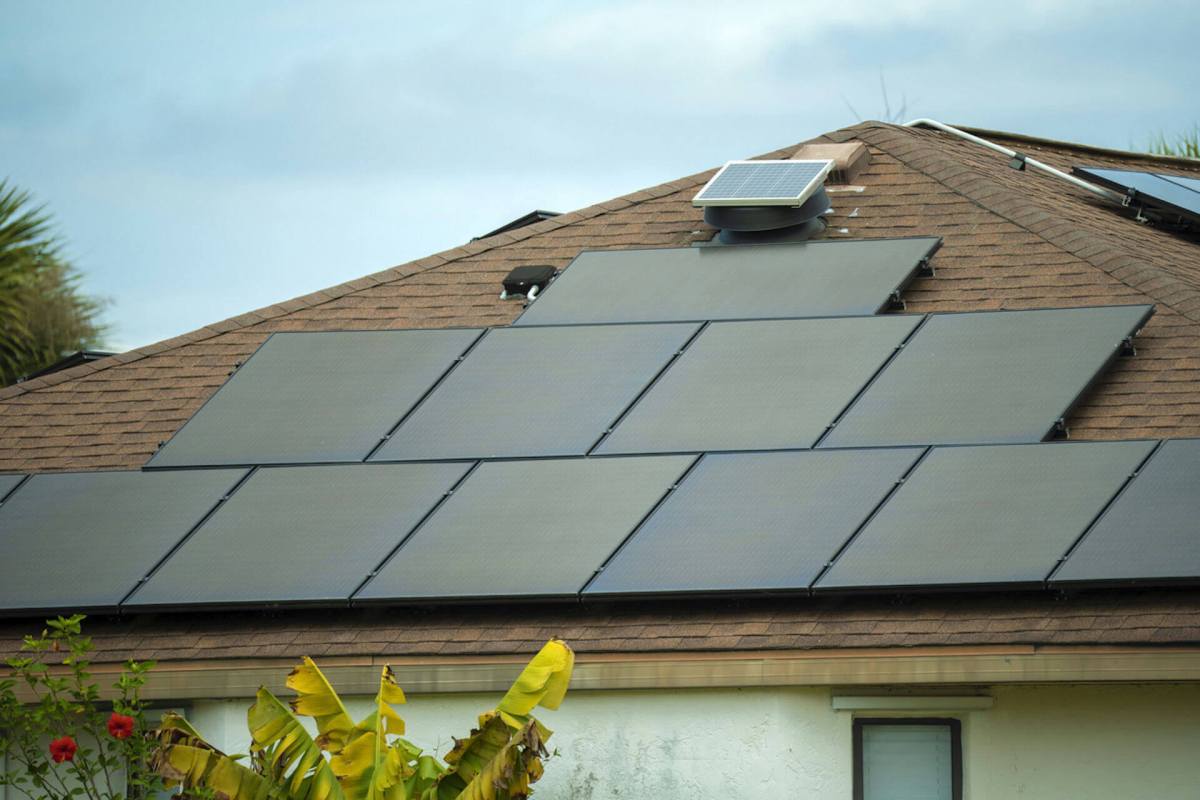
For those who want to invest thousands of dollars into a system that can cover most or all of their home's electrical needs, there are many solar installers ready and waiting to help you reduce or eliminate your power bill, with online marketplaces like EnergySage to help you find the best deal in your area and compare quotes for free.
But if you want to ease into lowering your electric bill and reducing your pollution by starting at a lower price point, there hasn't been an easy way to do that until now.
Plug-in solar, also known as balcony solar, is a budget option compared to a full rooftop photovoltaic system. It consists of a small set of solar panels designed to be placed on a porch or balcony and plugged into an existing outlet, without needing to be wired into your home's electrical system by an electrician.
Solar panels on this scale can't eliminate your electric bill like a full rooftop array can. However, they can reduce your home's impact on the environment, save you a little bit of money on your yearly electricity costs, and serve as an introduction to the world of solar power.
This wasn't an option available in the U.S. until recently. Local regulations typically require approval from electrical providers for any device that sends power back to the grid, and systems smaller than this have not been generally available for purchase.
Just this year, the nonprofit Bright Saver, based in California, released a system, the Flex 200, designed to produce a modest 200 watts of power to feed into your home's system — and not beyond that, so they don't require approval from your utility company. When it began offering this item for $399, it sold out its first few dozen units within a week, per the Times.
The state of Utah has also recently released legislation that will allow slightly larger systems as soon as a nationally recognized safety testing agency can release standards for whole systems of this type, as opposed to individual components. Other states may soon follow.
Save $10,000 on solar panels without even sharing your phone number Want to go solar but not sure who to trust? EnergySage has your back with free and transparent quotes from fully vetted providers that can help you save as much as $10k on installation. To get started, just answer a few questions about your home — no phone number required. Within a day or two, EnergySage will email you the best local options for your needs, and their expert advisers can help you compare quotes and pick a winner. |

"I think that what we're trying to do is demonstrate the demand. Hopefully, a year or two from now, we won't be talking about these 200-watt systems," said Bright Saver founder Cora Stryker, per the Times.
In the meantime, if you want to save up to $10,000 while installing a full-scale solar energy system in your home, you can do it with EnergySage's free online tools. It even offers a state-by-state breakdown of prices and available incentives for qualifying home energy upgrades.
You can drive your home energy costs even lower by installing a heat pump, and EnergySage can help you find an installer for that, too. Act now, because many of these incentives are ending at the end of the year.
|
If you don't have solar panels on your home, which of these factors is the biggest barrier to installing them? Click your choice to see results and speak your mind. |
 Upfront costs 💰
Join our free newsletter for weekly updates on the latest innovations improving our lives and shaping our future, and don't miss this cool list of easy ways to help yourself while helping the planet.
More From EnergySage
💡Go deep on the latest news and trends shaping the residential solar landscape



Cool Picks


