


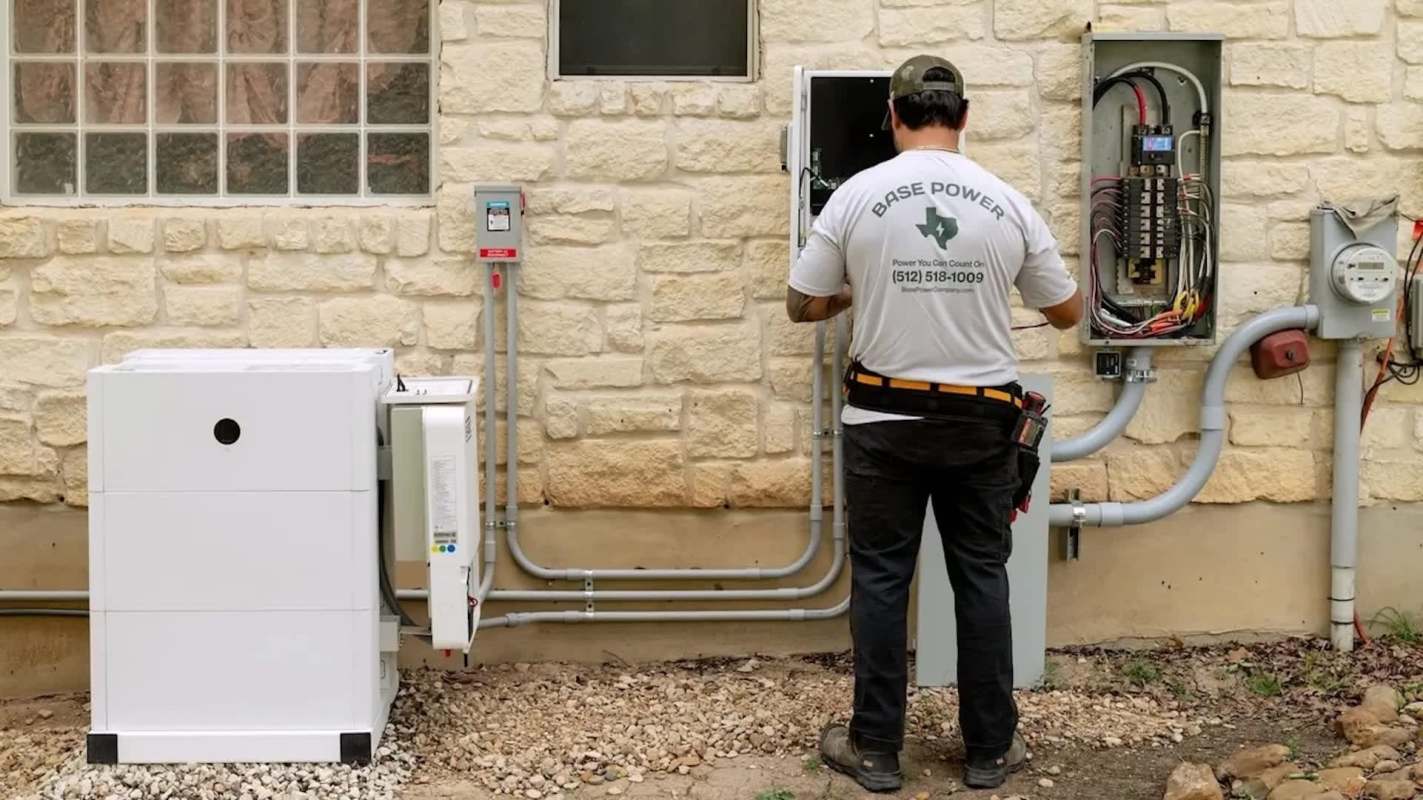
Australia has rooftop solar on about one in three homes, and a growing share of those households are now adding batteries to go with it.
That setup can do more than keep a house powered after the sun goes down, as Yale Environment 360 reported. In some cases, it also allows homeowners to send stored electricity back to the grid during periods of high demand.
What's happening?
One major reason for the surge is policy support. After Australia introduced a 30% discount for residential batteries, roughly 430,000 were installed in less than a year — about three times the expected number, Yale Environment 360 reported. That expansion is unfolding in a country where solar systems on homes and businesses already generate close to a fifth of the electricity supply.
With a battery attached, households can save inexpensive daytime solar energy, use it after dark, or export it when the grid is under strain and utilities need extra power.
Homeowners who enroll in these programs and install smart meters can reportedly earn between $80 and $1,600 per year, depending on the program.
If you're curious what adding storage could look like at home, it may be worth exploring EnergySage's free tools to compare home battery storage options and competitive installation estimates. EnergySage has also teamed up with the electrification brand Qmerit to guarantee you get the best price on home battery storage solutions.
Another option to consider is Pila, which offers excellent battery backup. Its plug-and-play batteries are priced at a fraction of the cost of a whole-home backup system.
Why does it matter?
Adding battery storage can be one of the most effective ways to protect a home during outages, lower energy bills, and move closer to energy independence.
Crushed by your bills? See instant solar savings from vetted installers in just a few clicks With energy prices through the roof, there's never been a better time to go solar — and EasyHome can help you find the best prices from the best installers in your area. EasyHome takes the guesswork and headaches out of energy upgrades by showing you estimated savings from a network of vetted local partners. To get started, just enter your ZIP and share a few details about your home — seeing your estimate is really that easy. |

Even relatively compact batteries can keep essential appliances, lights, and electronics running when the grid goes down.
These systems can also help entire communities avoid relying on dirtier, more expensive power sources. Rather than turning on gas peaker plants during periods of high demand, utilities can draw electricity from thousands of distributed home batteries linked together in virtual power plants.
A May report from Ember found that large battery projects are becoming increasingly competitive with new gas plants while also being much faster to build and carrying a far smaller carbon footprint.
Studies cited by Yale Environment 360 also found that home batteries can reduce household pollution by 2.2% to 6.4% if they charge when renewable generation is abundant and discharge during demand peaks.
What's being done?
Australia's early lead seems to reflect policy choices that have made home batteries simpler to buy and easier to connect with the wider grid.
Yale Environment 360 reported that a recent expansion of the country's Cheaper Home Batteries Program could push installations past 2 million by 2030.
Similar growth is showing up elsewhere. In the United States, home battery capacity participating in virtual power plants rose 153% last year, with programs in California and Puerto Rico among the drivers of that increase.
Yale Environment 360 reported that a two-hour test in California saw about 100,000 home batteries provide roughly 539 megawatts of electricity — exceeding the output of a large gas peaker plant.
There are still tradeoffs, though. Toby Couture of E3 Analytics said homeowners may give up some control over when their batteries are used, while financial returns can be hard to predict and extra cycling can add wear.
Backup power, bill savings, and potential grid payments are adding to the appeal of battery storage.
"We're moving toward a world where homes don't just consume energy — they store it, optimize it, and contribute back to the grid," Joe Frodsham of Renon Power said, according to Yale Environment 360. He called it "the shift from energy storage as backup to energy storage as an active grid asset."

Get TCD's free newsletters for easy tips, smart advice, and a chance to earn $5,000 toward home upgrades. To see more stories like this one, change your Google preferences here.






