


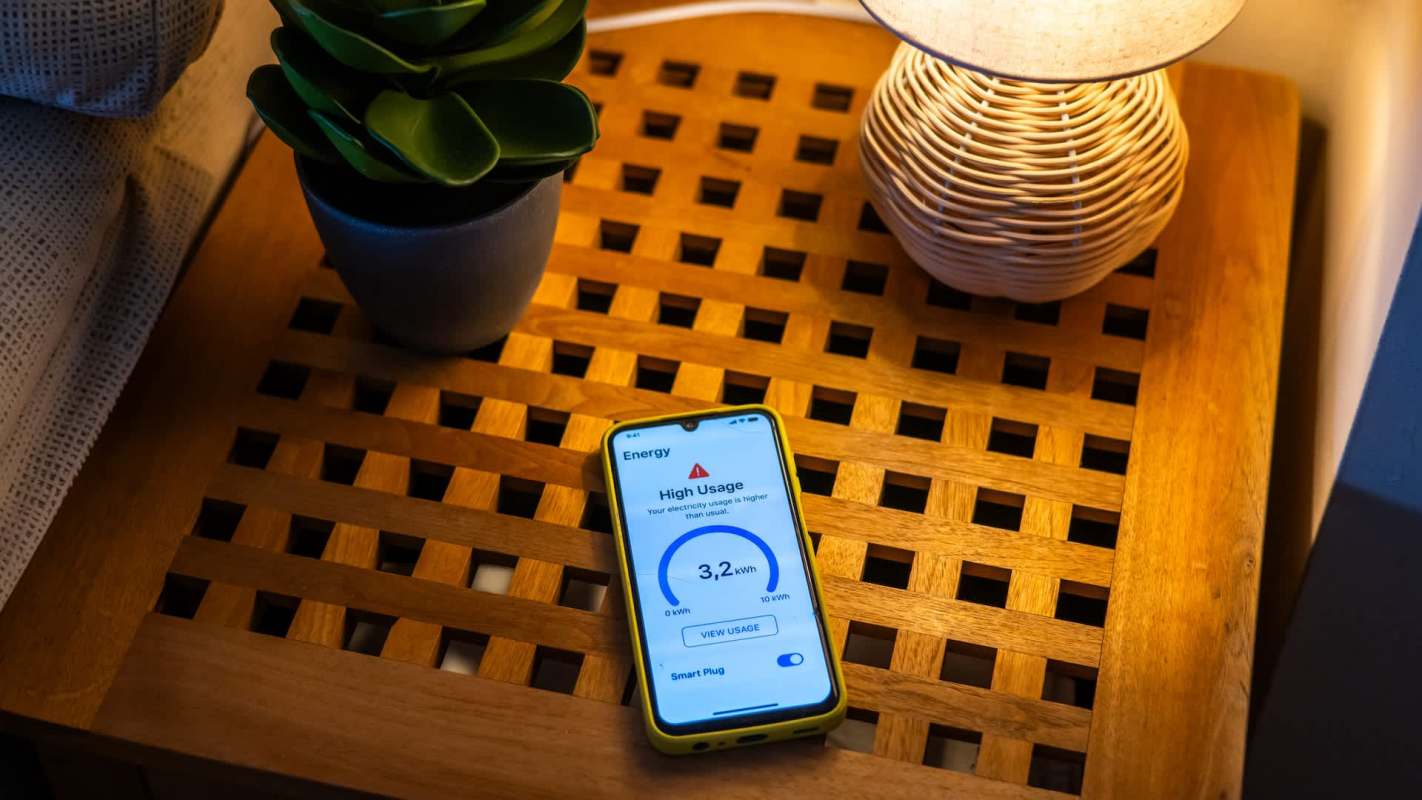
For a growing number of Australian households, home energy is no longer something people think about only when the monthly bill arrives.
With rooftop solar, batteries, and app-based monitoring tools, many are starting to treat electricity use more like a daily strategy, as ChannelLife reported.
What's happening?
App-based tracking is becoming part of home energy management as more Australian homes are using solar and batteries, according to energy supplier Nectr.
Nectr told ChannelLife that households with solar panels and batteries are using monitoring tools to follow when they generate electricity, how much energy is stored, and how much power they use.
"We're seeing households approach their power use the way they'd approach a game," said Hayden Barry, the managing director of Nectr.
ChannelLife said 2025 saw 221,000 residential battery installs, adding 4,790 megawatt-hours of storage capacity, and Nectr said battery adoption has reached 4.6% of homes. Australia also has about 4.4 million homes with rooftop solar, and roughly one in 25 homes has a battery installed.
TCD Picks » Quince Spotlight
💡These best-sellers from Quince deliver affordable, sustainable luxury for all




Some households are using app data to move appliance use and device charging into sunnier daytime hours. That means they can use battery power in the evening when peak energy use happens and usually costs more.
"They track their numbers, chase a better score, and figure out how to beat yesterday's result," Barry added. "It's a genuine shift in behaviour, driven by better visibility over how energy is generated, stored, and used."
Why does it matter?
Monitoring apps can show when energy use spikes, how much solar is being used at home, how much is being exported to the grid, and whether those exports are generating bill credits.
No typical dollar amount for savings was provided, but the report said homes with both solar and battery systems can improve outcomes by using more electricity during solar-producing hours and pulling less from the grid during higher-cost periods.
That can cut imported power and make better use of energy already generated at home.
With household budgets under pressure, tools that turn energy data into day-to-day decisions can give people more control. ChannelLife said rooftop solar made up 13.9% of Australia's electricity generation in 2025, making home energy systems a more important part of both family finances and the electric grid.
What's being done?
Government policy is helping lower the upfront hurdle. ChannelLife reported that the federal Cheaper Home Batteries Program cuts costs by about 30%.
Nectr added that 15% of homes in Australia are researching solar, and 23% are looking into adding a battery. ChannelLife said sales reached 183,245 battery units in the second half of 2025, which Nectr said the Clean Energy Council characterized as a fourfold rise.
Even without changing every habit, doing power-hungry tasks with solar hours and paying attention to export credits can make a home energy system work harder.
"Households are taking back control of their energy," Barry told ChannelLife. "That's a good thing for their budgets, and a good thing for the grid."

Get TCD's free newsletters for easy tips, smart advice, and a chance to earn $5,000 toward home upgrades. To see more stories like this one, change your Google preferences here.






